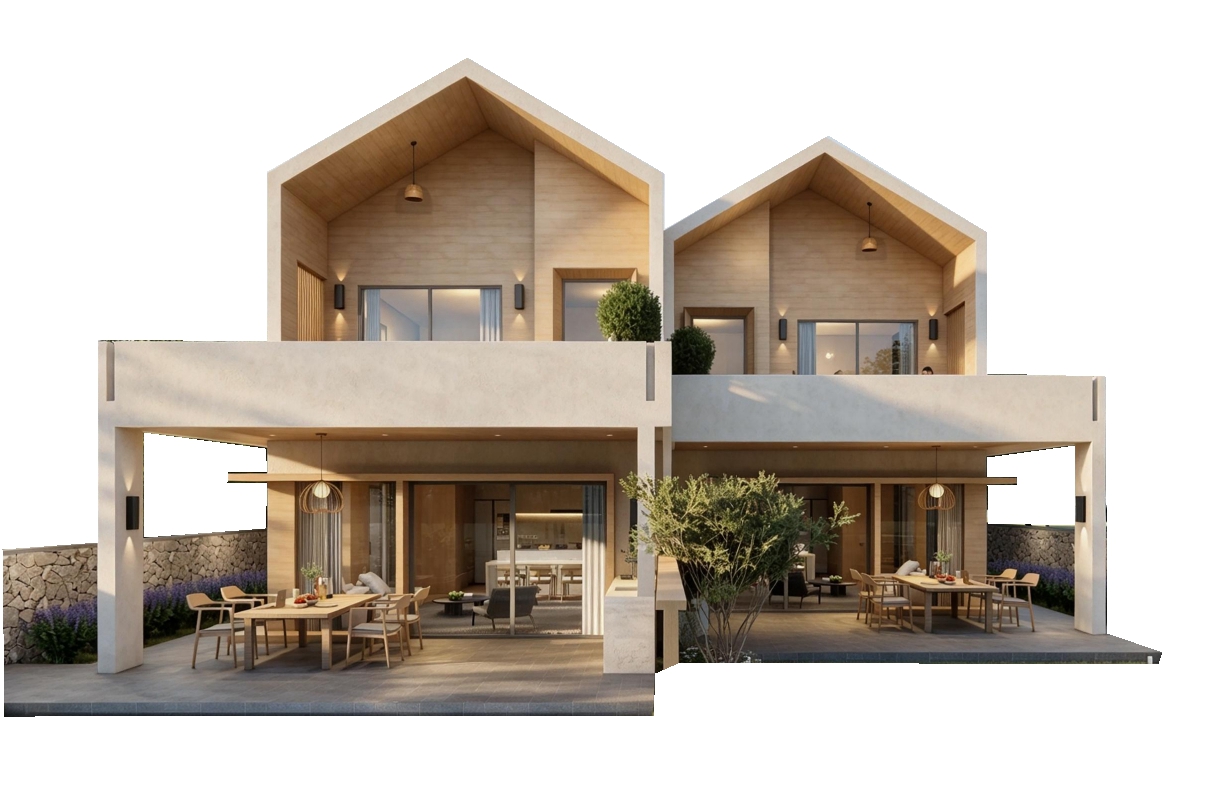
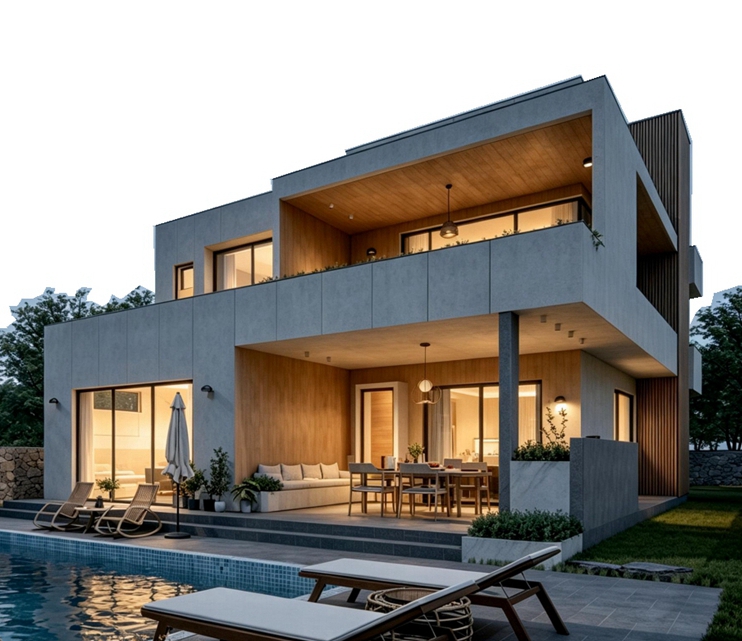
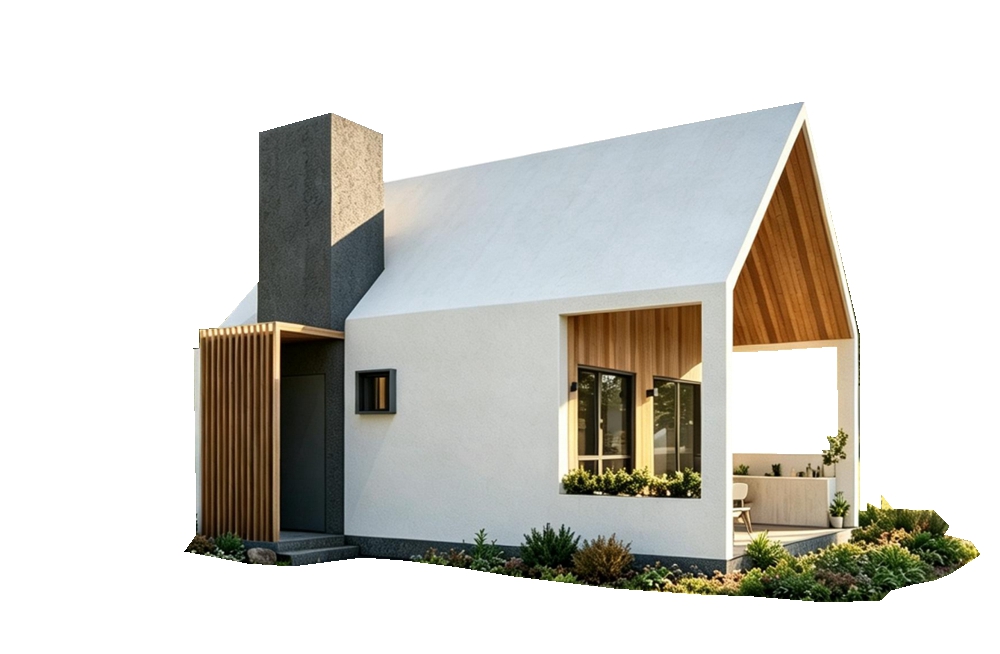
With the global emphasis on green and healthy living environments, the demand for environmentally friendly and safe building materials is growing increasingly intense. As a representative of new prefabricated building technologies, light steel villas have emerged as a new benchmark in the green building materials industry, driven by their outstanding environmental performance and zero-formaldehyde characteristics. Unlike traditional buildings that rely on formaldehyde-containing materials such as plywood and adhesives, light steel villas achieve true formaldehyde-free performance through scientific material selection, standardized production processes, and strict quality control systems. This article comprehensively elaborates on the core logic underlying the zero-formaldehyde advantage of light steel villas, compares their environmental indicators with those of traditional buildings through a parameter table, and provides professional references for global builders and industry practitioners, highlighting the sustainable development value of light steel villas.
The fundamental driver behind light steel villas’ ability to achieve true formaldehyde-free performance lies in the scientific selection of raw materials and the elimination of formaldehyde sources at the root. The main structure of light steel villas adopts high-strength hot-dip galvanized steel frames, which are manufactured via physical pressing of low-carbon steel without the addition of any formaldehyde-containing adhesives or additives. According to test data from authoritative third-party institutions, the formaldehyde emission of light steel frames remains stably below 0.01mg/m³, significantly lower than the EU EN 13986 E1 class standard (≤0.124mg/m³) and the US EPA TSCA Title VI standard (≤0.05ppm).
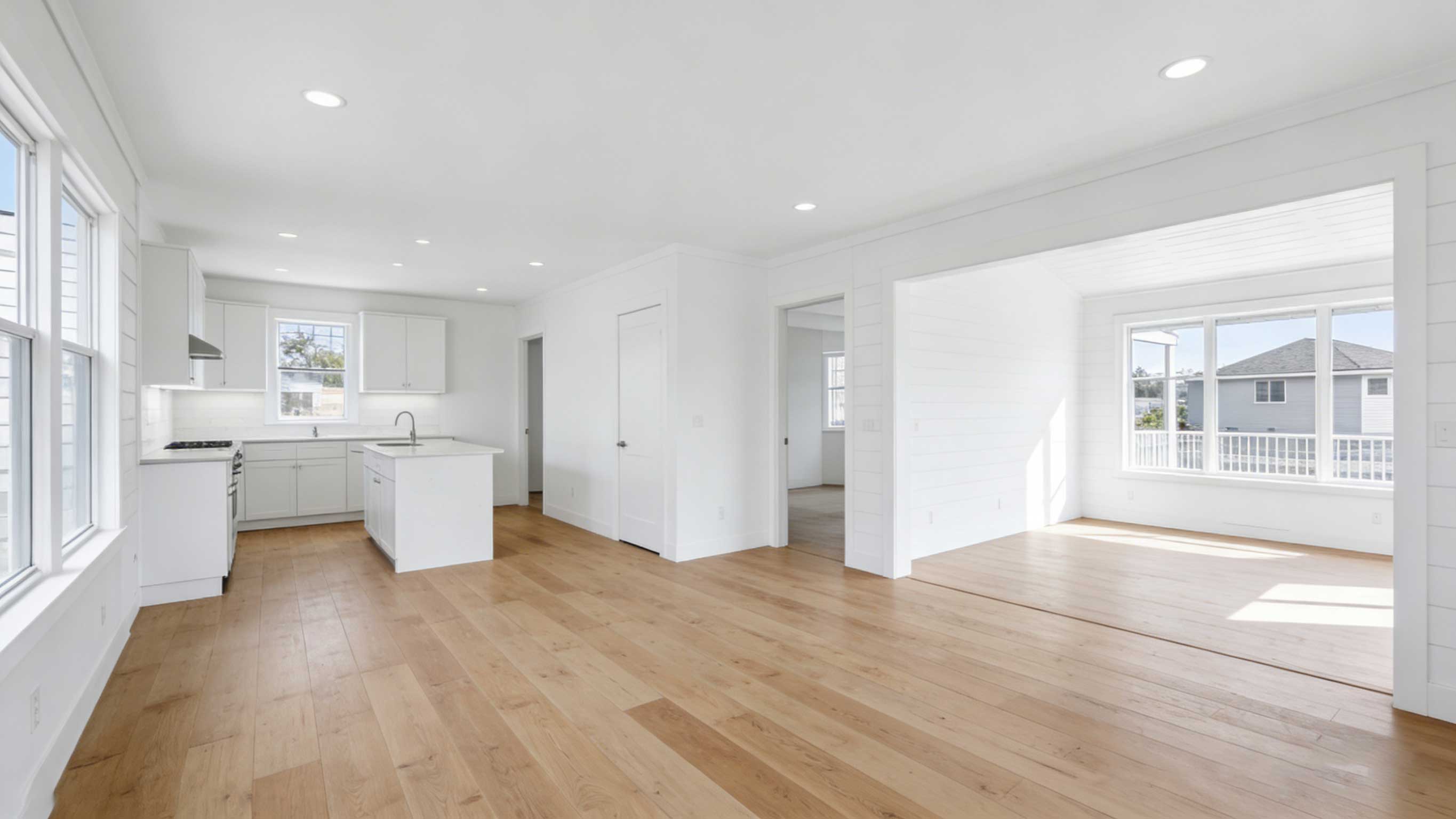
In terms of supporting materials, light steel villas adopt eco-friendly materials that comply with international standards. The wall insulation layer uses rock wool or glass wool produced by melting natural ores, which are free of formaldehyde, benzene, and other harmful substances, and their environmental performance fully meets the GB/T 11835-2016 standard. Decorative panels utilize fiber cement boards with water-based paint finishes, whose VOC (volatile organic compounds) content is ≤30g/L, far below the national standard of ≤80g/L (GB 18582-2020). The entire building material system forms an environmental protection closed-loop, fundamentally eliminating the hidden danger of formaldehyde emissions.
In addition, the modular production process of light steel villas further ensures zero formaldehyde emissions. More than 90% of components are prefabricated in a dust-free factory environment, adopting physical connection technology instead of traditional adhesive bonding, thus eliminating formaldehyde emissions caused by adhesive volatilization during on-site construction. The dry construction method employed on-site not only reduces construction waste by more than 90% compared with traditional wet construction but also avoids secondary pollution, guaranteeing that the indoor environment complies with the highest level of healthy living standards.
To intuitively reflect the environmental advantages and zero-formaldehyde characteristics of light steel villas, the following parameter table compares the core environmental indicators and formaldehyde emission levels of light steel villas with those of traditional brick-concrete buildings, based on test data from authoritative institutions and industry standards:
Comparison Indicators | Light Steel Villas | Traditional Brick-Concrete Buildings | Relevant Standards/Requirements |
|---|---|---|---|
Formaldehyde Emission (mg/m³) | ≤0.01 | ≥0.10 | EU EN 13986 E1: ≤0.124; US EPA TSCA Title VI: ≤0.05ppm |
TVOC Concentration (g/L) | ≤30 | ≥80 | GB 18582-2020: ≤80 |
Material Recyclable Rate (%) | ≥90 | ≤30 | Green Building Evaluation Standard |
Construction Waste Generation (kg/㎡) | ≤2.5 | ≥20 | Prefabricated Building Evaluation Standard |
Formaldehyde-Containing Adhesives | Not Used | Widely Used | Environmental Protection Building Materials Standard |
Indoor Air Quality | Meets Class A Healthy Living Standards | Needs 6-12 Months of Ventilation to Meet Standards | Indoor Air Quality Standard (GB/T 18883-2002) |
The zero-formaldehyde performance of light steel villas has been widely recognized by international authoritative institutions and industry standards. Most high-quality light steel villas have obtained international certifications such as ISO, SGS, and BV, and their environmental indicators have passed rigorous testing by third-party institutions including the EPA and CARB. For instance, light steel villas using no-added formaldehyde (NAF) materials are eligible to apply for a two-year reduced testing exemption from CARB, which fully confirms the stability of their zero-formaldehyde performance.
In the domestic market, light steel villas also comply with China’s green building evaluation standards and are eligible for relevant green building subsidies. In rural housing renovation and characteristic town construction projects, light steel villas have become the preferred building form due to their zero-formaldehyde advantage and excellent environmental performance, with their application proportion increasing year by year. In the international market, light steel villas are widely used in regions such as Europe, America, and Southeast Asia, and have gained high recognition from consumers pursuing healthy and environmentally friendly living environments.
The value of light steel villas is not only reflected in their zero-formaldehyde performance but also in their comprehensive sustainable characteristics. The steel structure can be 100% recycled, and supporting materials such as rock wool and fiber cement boards also possess high recyclability, realizing a green cycle throughout the entire building life cycle. Compared with traditional brick-concrete buildings, light steel villas can reduce carbon emissions by 42% over their entire life cycle, which is consistent with the global "double carbon" goal and the development direction of green buildings.
Meanwhile, light steel villas offer advantages such as a short construction cycle, strong seismic and wind resistance, and high space utilization. The factory prefabrication rate reaches more than 85%, and the main structure of a 200㎡ villa can be completed in only one week, which is one-third of the construction cycle of traditional buildings. Their flexible structural design can meet the personalized needs of different regions and scenarios, making them widely applicable in fields such as rural self-built houses, cultural tourism homestays, and emergency resettlement.
As a new benchmark for green building materials, light steel villas have broken the bottleneck of formaldehyde pollution in traditional buildings, realizing the organic integration of health, environmental protection, and practicality through scientific material selection, standardized production, and strict quality control. With the continuous improvement of global environmental protection requirements and the deepening of the concept of healthy living, light steel villas are poised to become the mainstream of the construction industry, leading the industry’s transformation and upgrading towards green, healthy, and sustainable development.
 Follow us