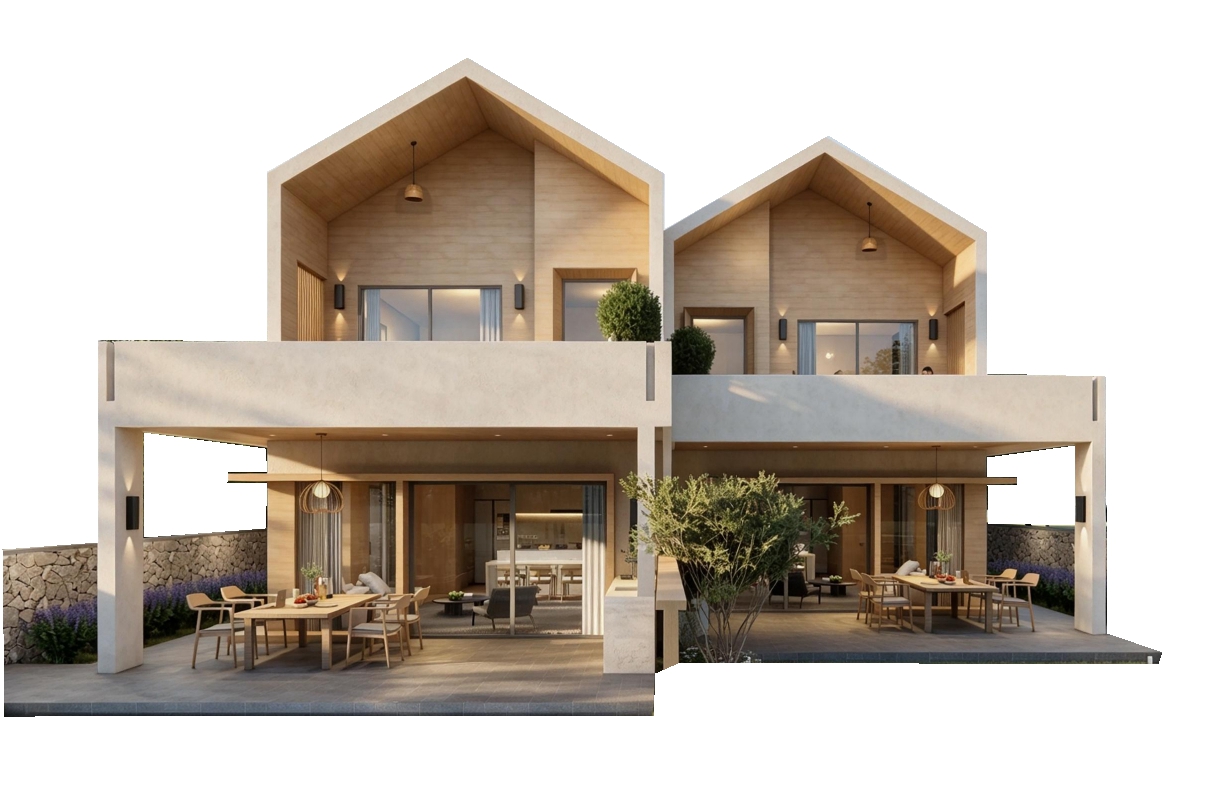
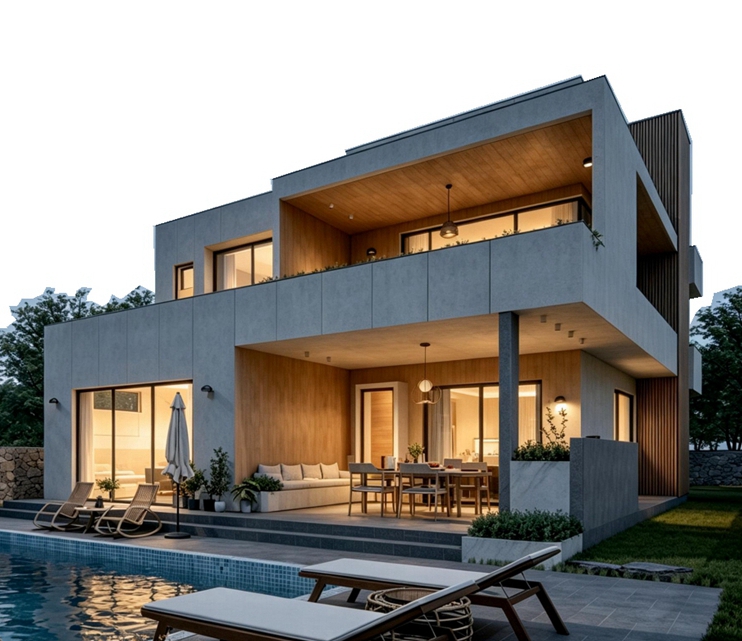
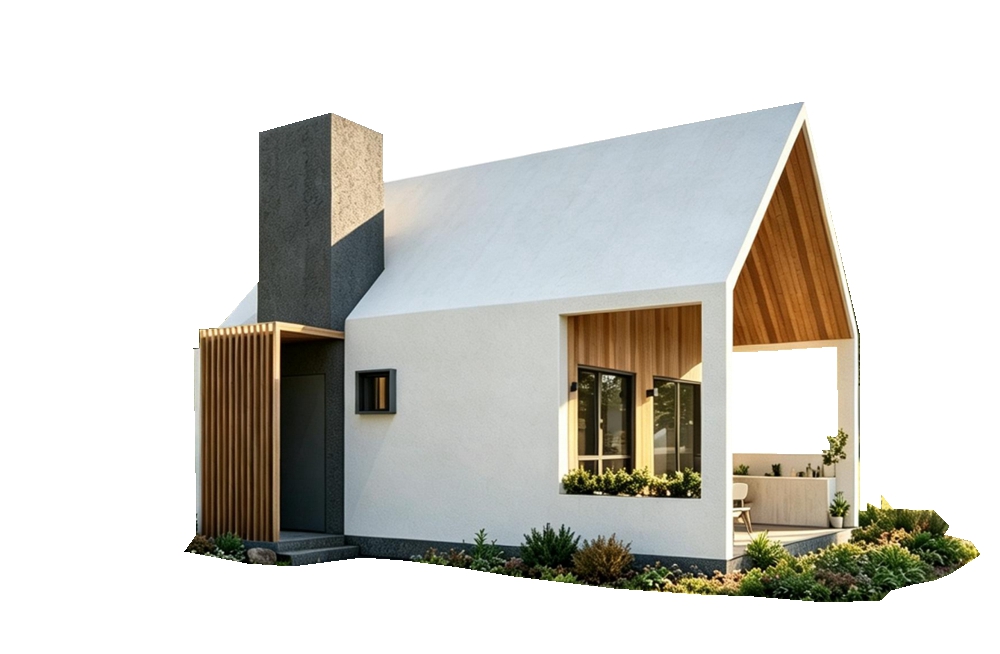
Soaring labor costs and prolonged construction cycles across Australia’s residential sector have driven a growing number of developers, resort operators, and farm owners to adopt prefabricated light steel buildings. While this construction method delivers remarkable efficiency gains, it also hides numerous overlooked pitfalls for buyers new to the overseas market.
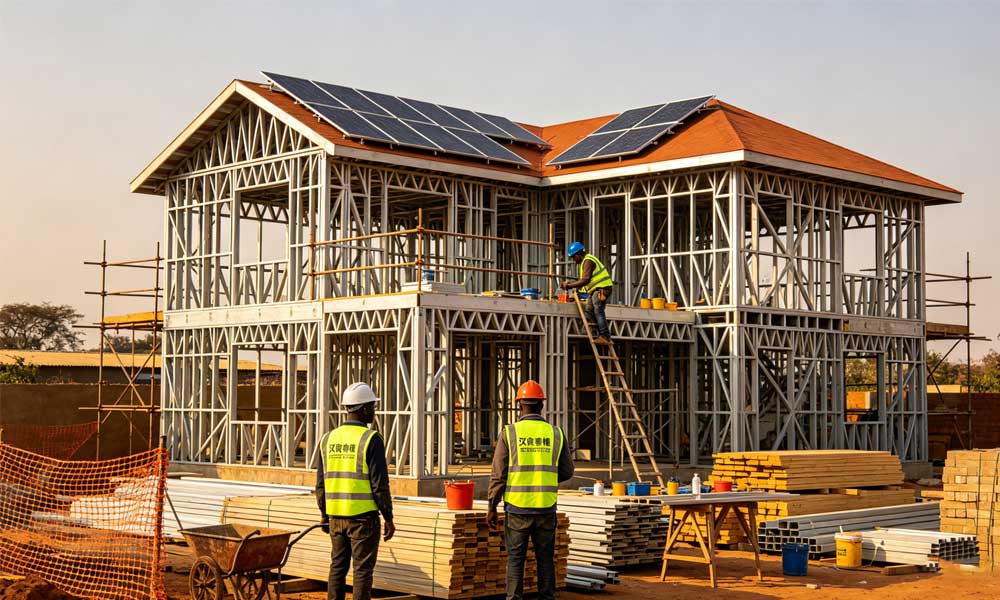
With years of experience specializing in exported modular housing solutions, we regularly receive urgent client inquiries. Common issues include finished units being detained at ports and rejected by local councils, severe rust deterioration on low-cost structures within just one year of use, and exorbitant household energy bills that compromise occupancy experience.
Every one of these setbacks translates to substantial investment losses. Sourcing Australian-standard light steel homes is never a simple purchase transaction. It is a systematic project covering design compliance, regulatory approval, logistics arrangement, and long-term operational management. If you are planning to launch a project in Australia, this guide will help you avoid costly mistakes before you sign any supplier contracts.
Most buyers hold a misconception that light steel buildings are standardized products that can be directly manufactured in China and installed in Australia without additional adjustments.
In reality, Australia enforces extremely stringent building regulations, with specific requirements varying by postal code region. These strict standards focus not only on structural safety but also on ensuring architectural harmony and long-term durability in alignment with local environmental conditions.
Direct cross-border shipments of unmodified structures rarely pass local inspections. Australia’s diverse climate zones lead to vastly different performance requirements for buildings across states and regions. For example, structures in Darwin, Queensland, must withstand high temperatures, extreme humidity, and frequent cyclonic weather, requiring superior wind resistance and heat dissipation performance. In contrast, properties in Tasmania demand excellent thermal insulation to remain habitable during cold winters.
Without localized design adaptation, even the most aesthetically appealing and well-crafted buildings are highly likely to fail council approval for non-compliance with the National Construction Code (NCC). Rejected applications will trigger massive hidden costs, including port detention fees, return freight charges, and even structure dismantling expenses that erode project profits.
Genuine compliance goes far beyond basic product test reports. It requires comprehensive verification that the entire building design meets local performance assessment criteria. Reliable suppliers integrate regional load-bearing standards, fire safety specifications, and energy efficiency indicators into construction drawings during the initial design phase.
Key Tip: Before placing an order, verify your supplier’s practical experience delivering completed Australian projects. Confirm whether they can provide a full set of architectural compliance documents, rather than only a quotation sheet.
A core principle in the light steel construction industry is that exterior finishes are merely decorative, while the internal steel frame forms the fundamental backbone of the building. Most buyers prioritize stylish exteriors and decorative details but neglect the critical structural steel components concealed within walls.
Low-cost building solutions almost always come with hidden corrosion risks. Australia features a typical maritime climate. Coastal areas have high concentrations of salt spray in the air, which causes severe metal oxidation and corrosion. Many budget suppliers adopt basic hot-dip galvanized steel to cut costs. While this material may suffice for inland regions, coastal installations will develop obvious rust spots within two years. Over time, this corrosion spreads gradually and undermines the entire structural support system.
Evaluating steel quality relies on tangible regional anti-corrosion solutions rather than verbal guarantees from suppliers. Professional manufacturers adopt differentiated anti-corrosion processes tailored to project locations. Basic galvanized protection is applied for ordinary inland areas, while thickened anti-corrosion coatings or high-grade alloy substrates are used for coastal high-salt environments. Critical connectors such as bolts and hinges undergo passivation treatment for long-term anti-rust performance.
This is not merely a quality issue but a long-term asset depreciation concern. Premium light steel villas boast a design lifespan of over 50 years with minimal maintenance, while compromised low-cost structures require large-scale repairs within just five years of operation.
First-time buyers often mistakenly assume Australia’s mild climate eliminates the need for robust thermal insulation, unlike cold-region projects in Northern Europe. This misunderstanding leads to significant long-term operational losses.
Australia experiences drastic diurnal temperature fluctuations. Poor airtightness and insufficient insulation cause indoor temperatures to drop sharply at night even after warm sunny days, forcing round-the-clock operation of air conditioning and heating systems.
Insufficient thermal insulation reduces upfront procurement costs but generates excessively high long-term energy expenses. This flaw is particularly detrimental for B2B resort and homestay projects. Negative guest reviews regarding extreme indoor temperatures will severely damage brand reputation and occupancy rates.
Superior energy-efficient light steel buildings prioritize invisible but vital structural details. A professional thermal break system prevents heat exchange through window and metal frame connections. Multi-layer wall structures filled with high-performance rock wool or polyurethane insulation deliver stable temperature control. Advanced sealing technology eliminates gaps around doors and windows to optimize airtightness.
Though these upgrades increase initial investment, they deliver the highest return on investment throughout the building’s full operational lifecycle.
We have encountered numerous real-world cases where clients successfully purchased qualified buildings and completed overseas shipping, only to face costly on-site delays. Incompatible packaging designs that fail to match local lifting equipment and vague assembly manuals often prolong construction cycles by up to two months. Unplanned venue rental fees and labor idle costs far exceed the savings from low-cost procurement.
Efficient export logistics depend not on container loading capacity, but on streamlined unloading and on-site assembly efficiency. Experienced suppliers adopt modular packaging solutions customized for different building models. Key structural components are pre-assembled in factories to reduce on-site workload. Designs are optimized for compatibility with local small forklifts, eliminating the need for heavy cranes. Critical components are fully reinforced during transportation to prevent glass breakage and frame deformation upon arrival.
For remote inland or mountainous project sites far from ports, suppliers must provide professional on-site logistics disassembly guidelines during the procurement stage. This proactive step effectively avoids tens of thousands of dollars in hidden logistics and construction costs.
Professional investors always understand that standalone unit prices are misleading and cannot reflect true project costs.
A building priced at $200,000 with annual maintenance fees of $10,000 and a 10-year lifespan results in a total actual cost of $300,000 over its service period. In comparison, a $250,000 premium building with negligible maintenance requirements and a 30-year lifespan delivers far better long-term cost performance.
Comprehensive Total Cost of Ownership (TCO) assessment covers all expenditure categories throughout the project lifecycle, including initial product procurement, logistics and customs clearance, local compliance audit fees, on-site installation labor costs, daily energy operation expenses, and regular structural maintenance and component replacement costs.
A thorough TCO analysis proves that partnering with an experienced and reputable export manufacturer is the most cost-effective choice for overseas modular construction projects.
Based on our extensive experience supporting overseas residential and cultural tourism projects, we have observed a clear shift in buyer priorities across the Australian market. Clients previously focused solely on lowering unit prices, while mature project developers now prioritize compliance and long-term operational stability.
Current clients actively inquire about customized energy efficiency solutions tailored to local standards, targeted anti-corrosion designs for coastal sites, and official pre-approval procedures for local council construction. This market shift indicates the elimination of low-end industry bubbles and the transition toward high-quality, high-standard modular construction development.
Modern suppliers act as professional technical partners rather than mere product manufacturers. We support clients throughout the entire project process, from early design docking and material selection to on-site installation guidance and final compliance approval, ensuring seamless project delivery.
Project developers new to the Australian market are advised to avoid pursuing the lowest quotation blindly. In overseas engineering projects, ultra-low prices always come with uncertain hidden risks. Short-term procurement savings will eventually be offset by multiplied losses in compliance approval, logistics, installation, and long-term operation.
The most reliable partners are manufacturers who can deliver full-process solutions, master local regulatory standards, and provide sustainable after-sales support. In this industry, the highest costs stem from unprofessional decision-making and operational errors, rather than product expenses.
With the global advocacy for low-carbon, eco-friendly, and prefabricated construction, high-standard compliant light steel buildings hold broad market prospects. Strict adherence to compliance specifications and quality standards guarantees half the success of any overseas modular project.
To help you launch projects smoothly, we have compiled a practical risk avoidance checklist. Confirm the following key points with your supplier before signing formal contracts:
Compliance: Does the supplier fully understand the energy and structural regulations of your project location? Can they provide standard-compliant construction drawings and certification documents?
Environmental Adaptability: Will the project be located in high-salt coastal areas, cold mountainous regions, or high-temperature tropical zones? Can the supplier provide customized anti-corrosion and thermal insulation upgrades for local environmental characteristics?
Logistics Feasibility: Is the building design adapted to local transportation limitations, such as rural road width and on-site lifting conditions?
After-Sales Support: What is the supplier’s technical response time for on-site issues such as water leakage and structural connection faults?
Full-Cost Transparency: Does the order include complete customs declaration documents and structural certification materials, apart from product fees?
Suppliers who can provide detailed and professional answers to all the above questions are reliable long-term partners for your overseas projects.
Overseas modular housing export involves complex challenges, but strict adherence to quality standards and compliance requirements enables every project to deliver stable, long-term value in local markets.
(Published by Hanliang Integrated Housing. We believe professionalism and integrity are the best bridges connecting Chinese manufacturing to global markets. If you have any compliance inquiries about Australian or other overseas construction projects, contact our technical engineering team for a customized project feasibility analysis report.)
 Follow us