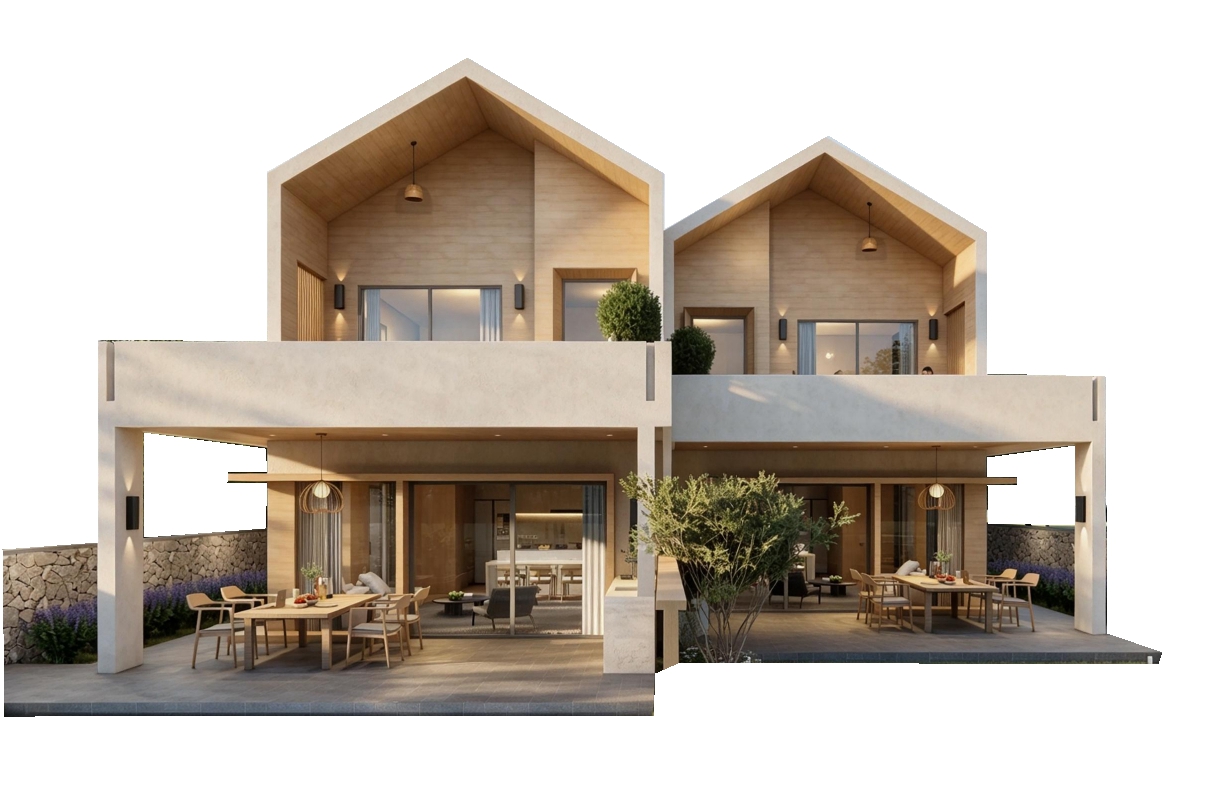
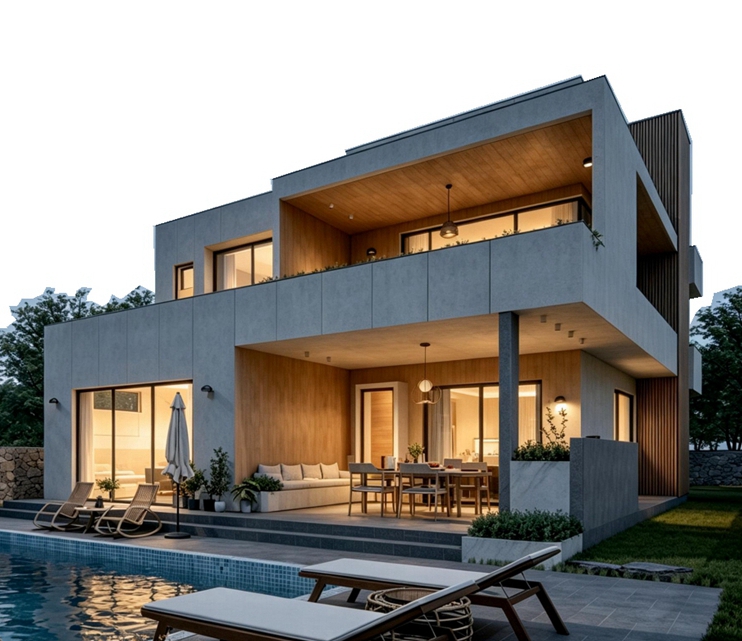
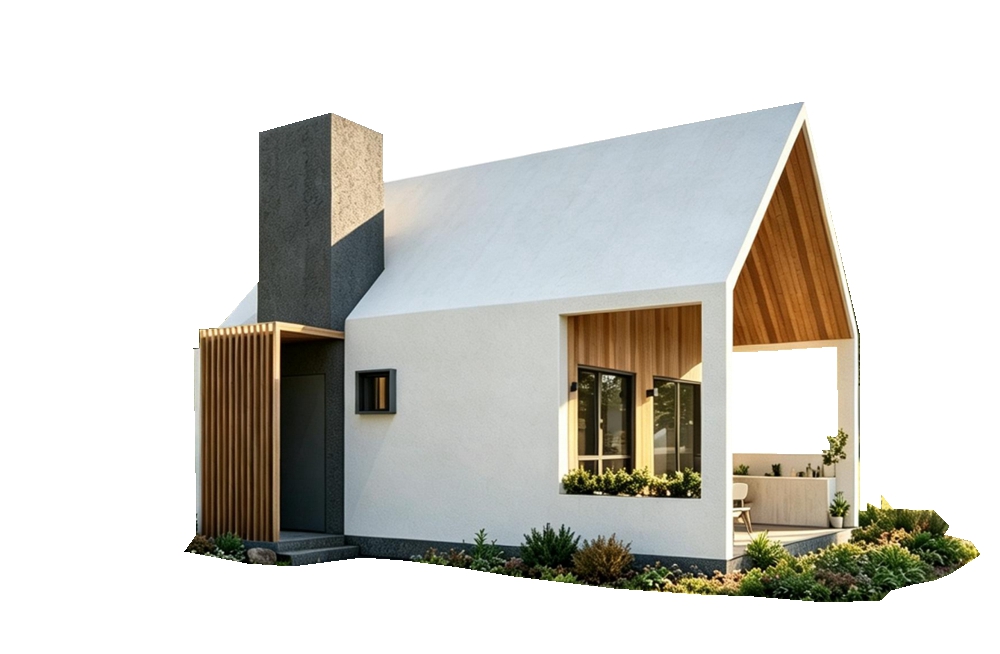
The global construction industry is undergoing a quiet yet massive shift. Driven by net-zero sustainability goals, soaring local labor costs, and a demand for shorter project cycles, traditional brick-and-mortar building is fast being replaced by an industrialized alternative: prefabricated light steel and modular buildings.
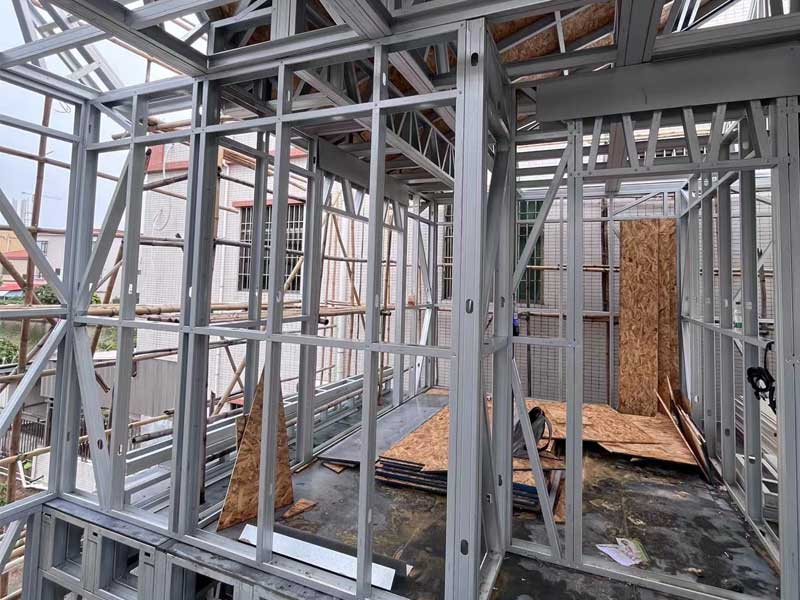
In this landscape, international buyers and developers have grown highly sophisticated. When sourcing from overseas partners, they no longer scan for the absolute cheapest supplier. Instead, they look for strategic partners who can simplify the complex engineering process, guarantee regulatory compliance, and deliver a seamless, headache-free experience from design to delivery.
As a seasoned pioneer in this sector, Hanleon has charted a path that perfectly shows how modern modular construction is shedding its "cheap temporary shelter" label—evolving instead into high-value, turn-key architectural solutions built for the international premium market.
In the past, international inquiries focused on three baseline metrics: unit price, shipping freight, and lead time. Today, especially in highly regulated markets across Europe, North America, Australia, and New Zealand, procurement teams are looking at the big picture—the Life-Cycle Cost (LCC) over a 20-year horizon.
The table below breaks down the fundamental differences between traditional, component-only steel fabricators and true global solution providers like Hanleon:
 Follow us