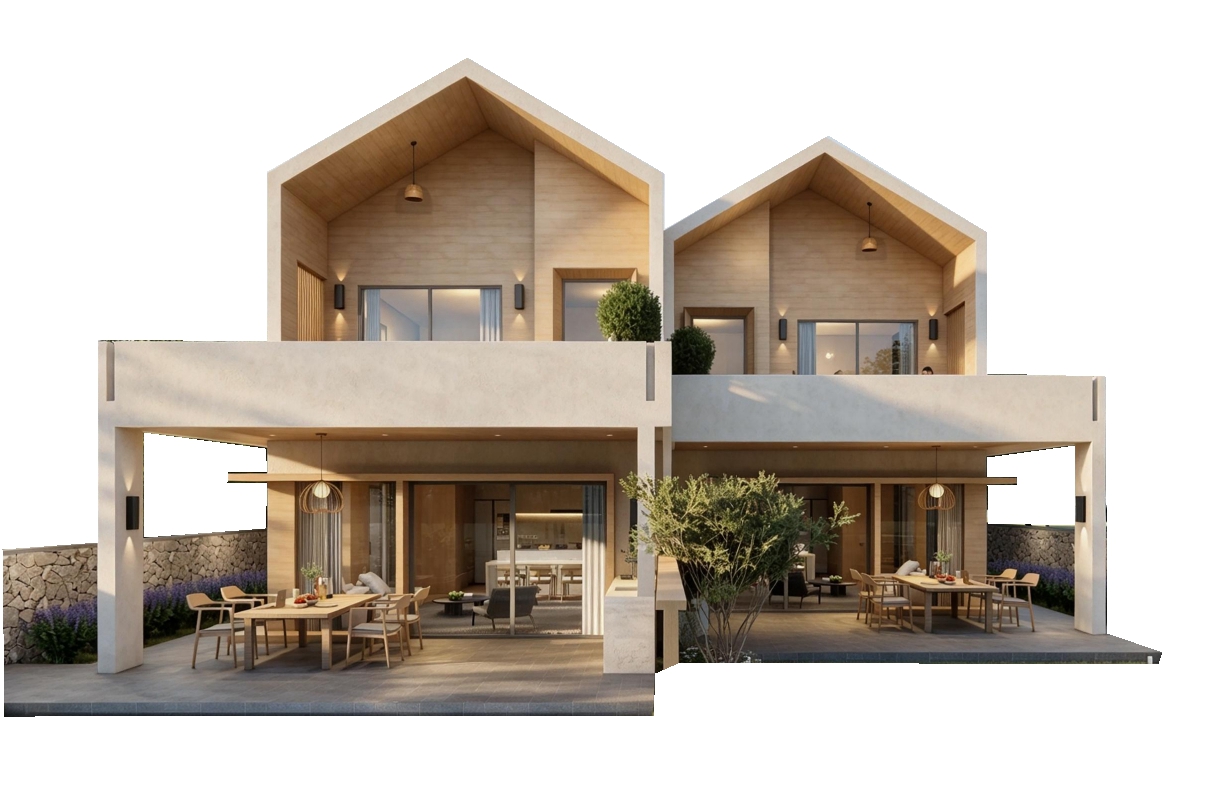
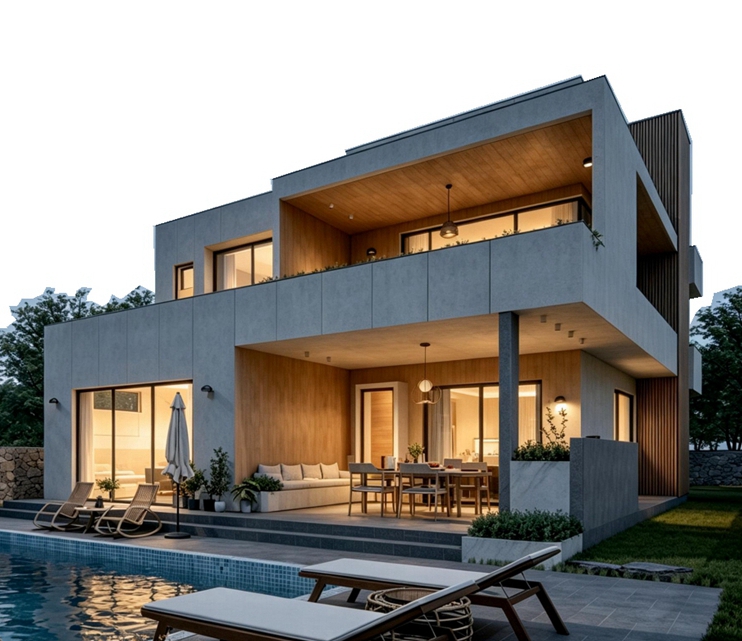
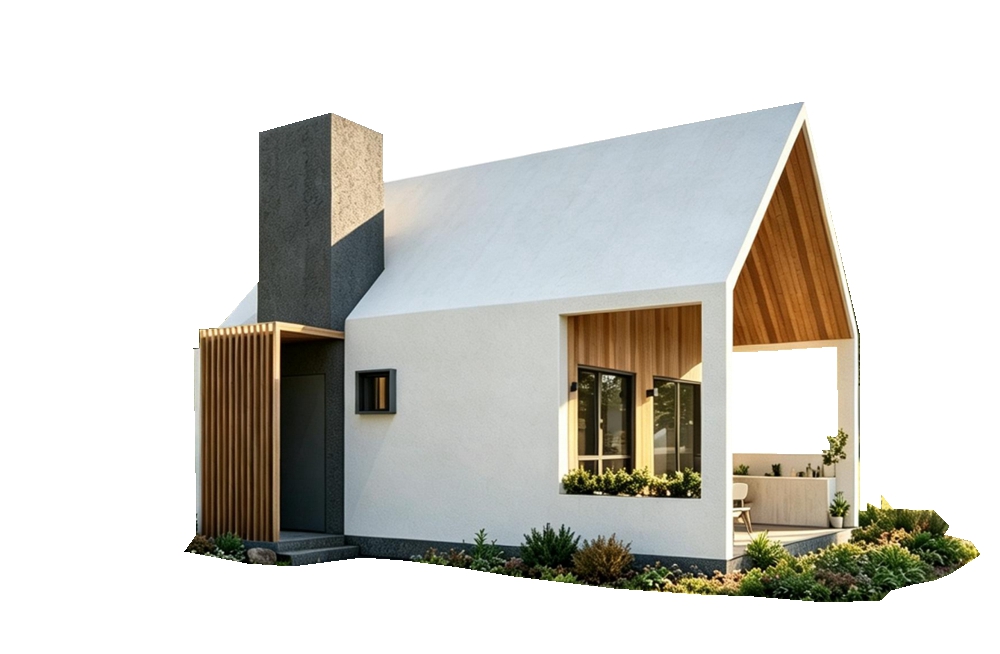
With the rapid expansion of the global prefabricated construction industry, light steel buildings have become a mainstream solution for global cultural tourism camps, overseas residential projects, and international engineering supporting facilities. Featuring strong scene adaptability, fast construction speed, low-carbon environmental performance and flexible shipping advantages, modular light steel villas and camp houses are widely applied in Southeast Asian island resorts, Middle Eastern desert camps, European suburban residences, and Australian coastal tourism projects. As overseas procurement demands continue to grow, global engineering contractors, homestay operators and cross-border investors are increasingly focusing on standardized light steel house export processes, customized overseas solutions and reliable export manufacturers.
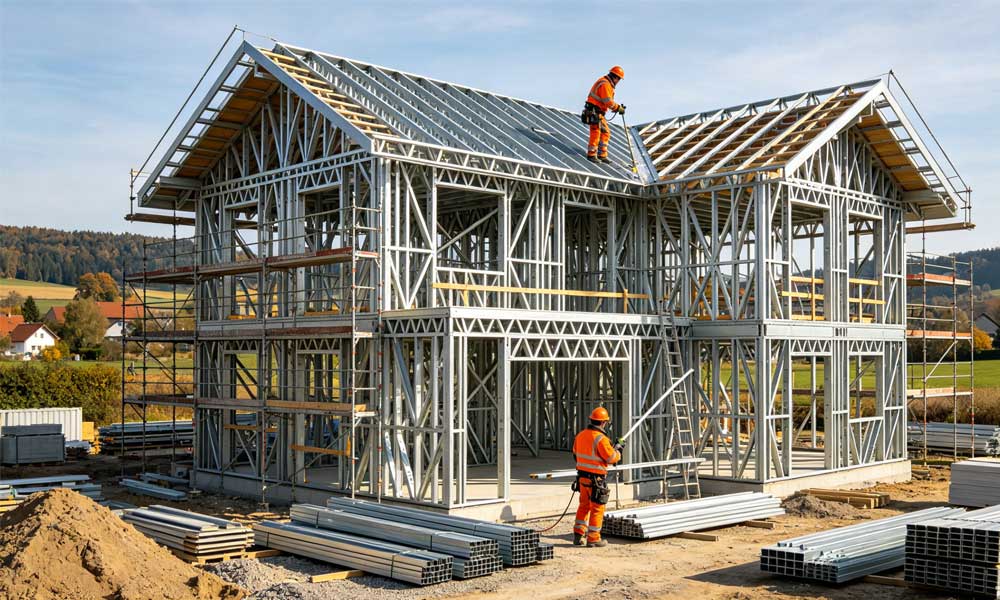
Based on years of practical experience in overseas prefabricated project delivery, light steel house export is far more than simple product cross-border trade. It is a systematic engineering service covering local standard adaptation, compliance certification, international logistics, on-site construction guidance and weather resistance upgrading. Most overseas project delays, unqualified acceptance and long-term operational failures stem from neglected details in local building codes, shipping planning and regional climate adaptation. With rich experience in hundreds of global projects, Hanliang Light Steel Villa sorts out the core guidelines for light steel house export, providing professional and implementable references for overseas buyers and foreign trade practitioners.
As customized engineering building products, light steel houses have no universal global construction standards. Countries differ greatly in geographical climate, building safety regulations and energy-saving acceptance criteria, with distinct requirements for structural stability, thermal insulation, seismic performance and environmental indicators. Local standard adaptation is the primary prerequisite for successful overseas project delivery.
Regional standard differences are obvious. Northern European countries such as the UK and Norway enforce strict mandatory standards for building energy conservation, wall insulation and door & window sealing performance. Japan, located in the Pacific seismic belt, focuses on the seismic toughness and structural safety of steel frames. Middle Eastern countries including the UAE and Saudi Arabia have stringent requirements for high-temperature resistance, sun exposure resistance, wind and sand protection of buildings.
Most first-time overseas buyers tend to adopt universal house templates without local adaptation, resulting in unqualified acceptance and additional rework costs. Even with identical appearances, light steel houses exported to different regions require targeted optimization of wall thickness, thermal insulation materials, broken-bridge window specifications and steel structure anti-corrosion grades. For our Northern European vacation villa project, we upgraded multi-layer composite thermal insulation walls and high-performance broken-bridge insulated windows to adapt to local extreme cold and large temperature differences, fully complying with local official energy-saving standards.
Most overseas buyers focus on main body costs while ignoring hidden cross-border logistics expenses. Light steel houses feature large volume and special structural specifications. Unoptimized product sizes and splitting structures will cause container space waste, significantly increasing sea freight, land transportation and hoisting costs. A scientific and customized shipping solution is essential for cost control and improved project cost performance.
The mainstream global export transportation modes include three types: disassembled parts packaging transportation, modular container integral transportation, and finished house integral hoisting transportation. Each mode varies in cost, applicable scenarios and construction difficulty, and shall be selected according to project site conditions, port capabilities and construction schedules.
Taking the island camp project in Jakarta, Indonesia as an example, local ports have limited hoisting equipment and narrow coastal roads, making large integral modules impossible to enter the construction site. We adopted a modular disassembly solution to split the house into standardized components suitable for standard container shipping, reducing hoisting difficulty and adapting to restricted island construction conditions. Professional export manufacturers optimize product splitting structures in advance based on international container dimensions, port loading capacity and local road height and width limits, balancing transportation costs and construction efficiency.
As the global prefabricated building market becomes increasingly standardized, overseas procurement thresholds continue to rise. Product quality alone cannot meet cross-border trade requirements. Complete official test reports, qualification certificates and compliance documents have become mandatory requirements for customs clearance and project acceptance. Professional global purchasers strictly verify structural safety, fire resistance, steel material compliance and environmental indicators.
European and American markets have the most stringent access standards. Suppliers must provide complete documents including CE certification, ISO system certification, steel structure mechanical test reports and fire resistance grade certificates. Countries in the Middle East and Southeast Asia require additional local customs clearance filings and building compliance certificates for goods clearance and project final acceptance.
Manufacturers lacking overseas project experience often face problems such as missing qualifications and mismatched certification standards, leading to cargo detention, customs clearance failure and project delays. Experienced light steel export enterprises sort out national access standards in advance and prepare complete technical documents to ensure compliant and smooth project delivery.
A common industry misunderstanding is that product shipment equals project completion. In fact, on-site installation determines the final project quality, service life and customer satisfaction. Most local overseas construction teams lack experience in modular light steel building installation. Without professional guidance, problems such as structural deviation, sealing failure and unstable framework are prone to occur, endangering building safety.
Formal overseas light steel project delivery supports a full-process service system, including refined installation drawings, standardized construction videos, 7×24-hour remote technical guidance and unified component numbering systems. For large-scale overseas camps and cultural tourism homestay projects, senior domestic technicians can be dispatched for on-site guidance to guarantee installation accuracy and construction efficiency.
For our African wild camp project where local teams had no light steel construction experience, we standardized component numbering and simplified construction procedures before factory delivery. Combined with one-on-one remote technical support, the local team quickly mastered installation skills, ensuring on-time project delivery and operation.
Unlike short-term temporary domestic buildings, most exported light steel houses serve long-term commercial scenarios such as cultural tourism homestays and outdoor camps, requiring higher standards in service life and outdoor weather resistance. Extreme global climates cause continuous erosion to steel structures and exterior wall systems. Anti-corrosion, moisture-proof, high-temperature resistance and anti-aging performance are core assessment indicators for customized overseas light steel buildings.
Coastal areas suffer from high humidity and salt spray corrosion; Middle Eastern desert regions face extreme high temperature and strong sandstorms; tropical regions have year-round high temperature and rainfall. These harsh working conditions pose severe challenges to building protection systems. For the Malaysian coastal camp project, local high salt spray and humidity would cause steel rust, wall damage and water leakage within 2 to 3 years with inferior anti-corrosion technology, resulting in high later maintenance costs.
High-quality exported light steel houses adopt upgraded protection configurations, including hot-dip galvanized thickened steel structures, fluorocarbon spray exterior wall systems, professional cold bridge prevention technology and high weather resistance wall panels. The overall upgrading of anti-corrosion, heat insulation and anti-aging performance effectively extends building service life and reduces long-term operation and maintenance costs, fully adapting to long-term outdoor commercial operation overseas.
China’s light steel building export industry has completed comprehensive iteration, abandoning the initial model of single building material export. Current overseas buyers prioritize comprehensive suppliers with full-cycle service capabilities rather than merely low product prices, focusing on overall project delivery strength.
A complete overseas light steel project service covers pre-project planning, structural deepening design, factory prefabrication, cross-border shipping coordination, customs clearance document matching, on-site installation guidance and long-term after-sales operation support. For integrated cultural tourism and camp projects, customers aim to reduce multi-party communication costs and realize one-stop rapid implementation. Therefore, the core competitiveness of light steel export enterprises has upgraded from single production capacity to full-cycle comprehensive project delivery capability.
After decades of industrial development, China’s prefabricated light steel building industrial chain has become highly mature. Leading global advantages have been formed in precision steel processing, energy-saving insulation R&D, modular integrated manufacturing and personalized customization, with outstanding competitiveness in cost control, production efficiency, quality stability and flexible adaptation.
With the infrastructure upgrading of Belt and Road countries and the recovery of global cultural tourism industry, overseas demands for light steel buildings continue to rise. Global purchasers actively seek high-quality Chinese manufacturers and professional customized overall solutions. The industry has bid farewell to low-price involution and entered a benign competition stage focusing on quality, service and delivery effect. The international reputation, market share and brand influence of Chinese light steel buildings keep growing steadily.
Essentially, light steel house export is systematic engineering service adapted to global regional working conditions and local building codes, rather than simple cross-border product trade. The compliant landing and long-term stable operation of overseas projects depend not only on product production quality, but also on the enterprise’s professional understanding of global building standards, refined cross-border transportation planning, complete compliance system, professional technical guidance and mature overall project management capabilities. As a professional enterprise deeply engaged in prefabricated building exports, Hanliang Light Steel Villa focuses on overseas project pain points, continuously optimizes product structure, safety protection, weather resistance and modular export solutions, and builds a mature full-process overseas delivery system. In the future, relying on the broad development opportunities of global green and prefabricated construction industries, we will continue to output high-quality, highly adaptable and cost-effective modular light steel building solutions to support the efficient landing and stable operation of light steel projects worldwide.
Q1: Should light steel houses be exported as integral units or disassembled parts?
There is no fixed export mode for light steel houses. The solution depends on project scale, on-site hoisting conditions and budget. Small-scale projects with complete hoisting equipment adopt integral modular transportation for rapid on-site assembly. Large-scale cluster camps and projects in restricted sites such as islands and mountainous areas prioritize disassembled container transportation, which greatly reduces sea freight costs and adapts to complex on-site construction with higher flexibility and cost performance.
Q2: Do light steel villas need local certification for overseas export?
Most countries and regions have exclusive building access standards and customs clearance certifications with no universal international qualification. European projects mandate CE certification, together with ISO system certification, structural and fire resistance test reports. Countries in the Middle East and Southeast Asia require additional local customs clearance filing and building compliance certification. It is necessary to verify local official specifications and complete all qualification documents before export to avoid customs clearance obstacles and acceptance failures.
Q3: Is the overseas installation of light steel houses difficult?
Compared with traditional concrete buildings, modular light steel houses feature standardized and simplified installation procedures with lower difficulty and shorter construction cycles. All exported light steel houses adopt unified component numbering and fixed assembly processes, equipped with complete construction drawings, teaching videos and full-process remote technical support. Teams with basic construction experience can complete installation efficiently with far shorter construction cycles than traditional buildings.
 Follow us