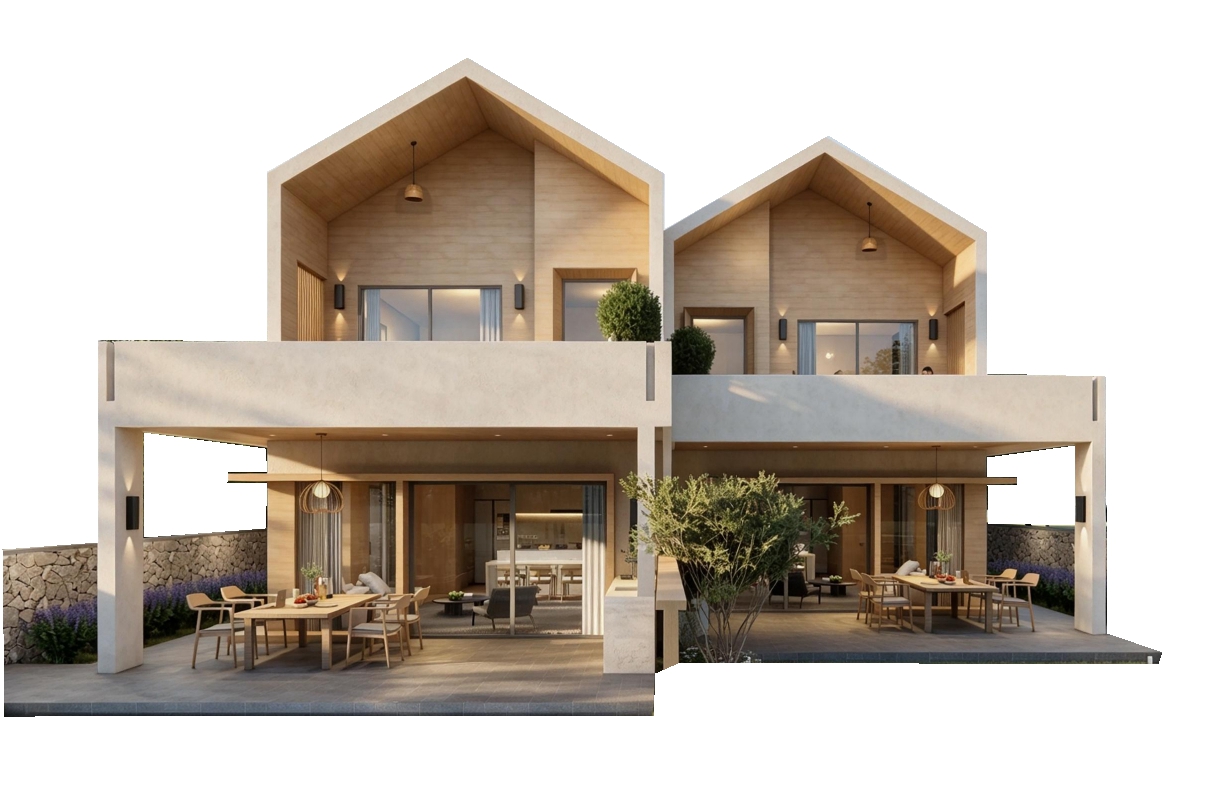
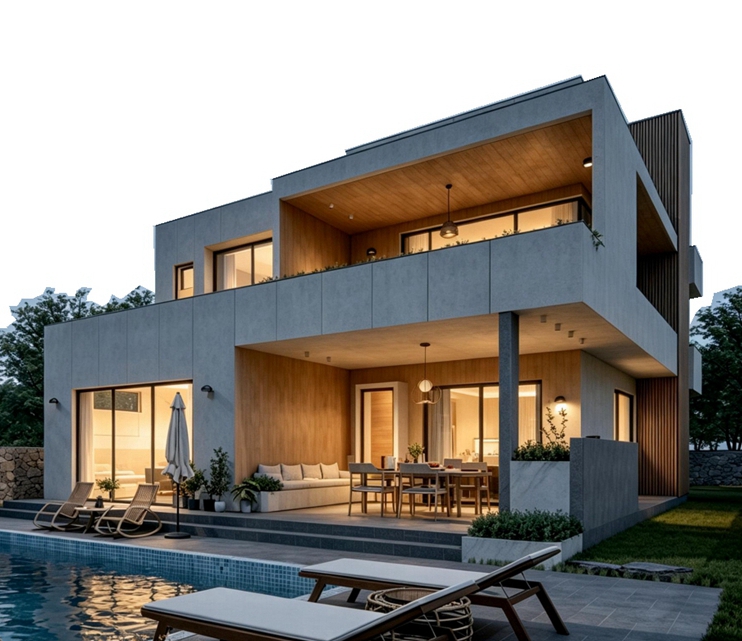
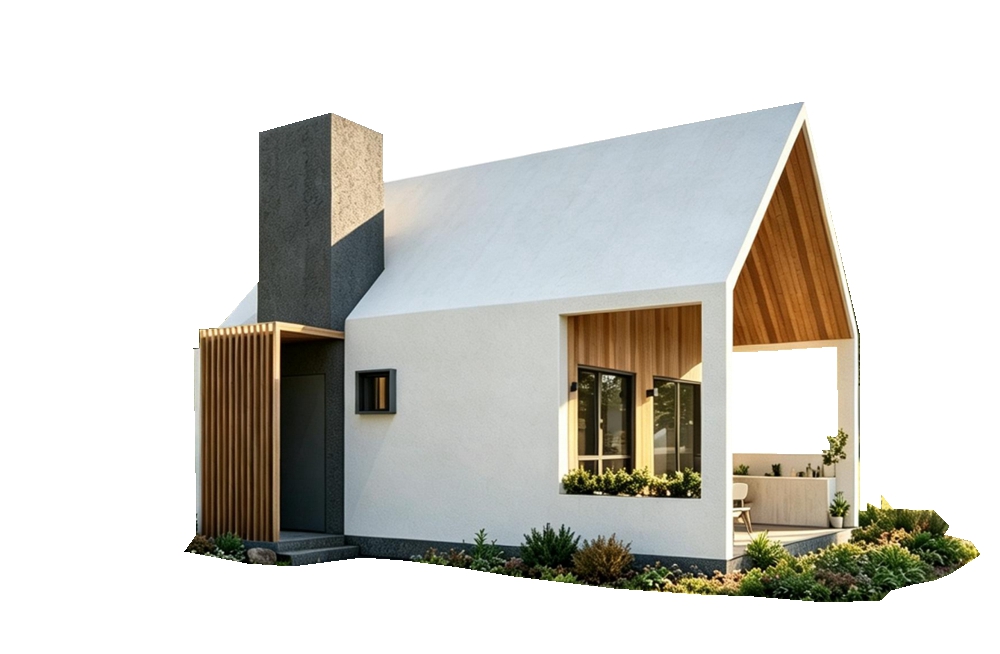
In recent years, the overseas prefabricated construction industry has achieved vigorous development. Customizable and lightweight light steel villas and prefabricated light steel buildings have become increasingly popular across Australia, New Zealand, North America, Europe, the Middle East, and Southeast Asia. Featuring fast installation, attractive appearance, and high cost performance, these structures are widely adopted for coastal resort homestays, outdoor tourist camps, private vacation houses, and commercial supporting residences. The growing overseas market demand has brought tremendous development opportunities for domestic light steel construction exporters.
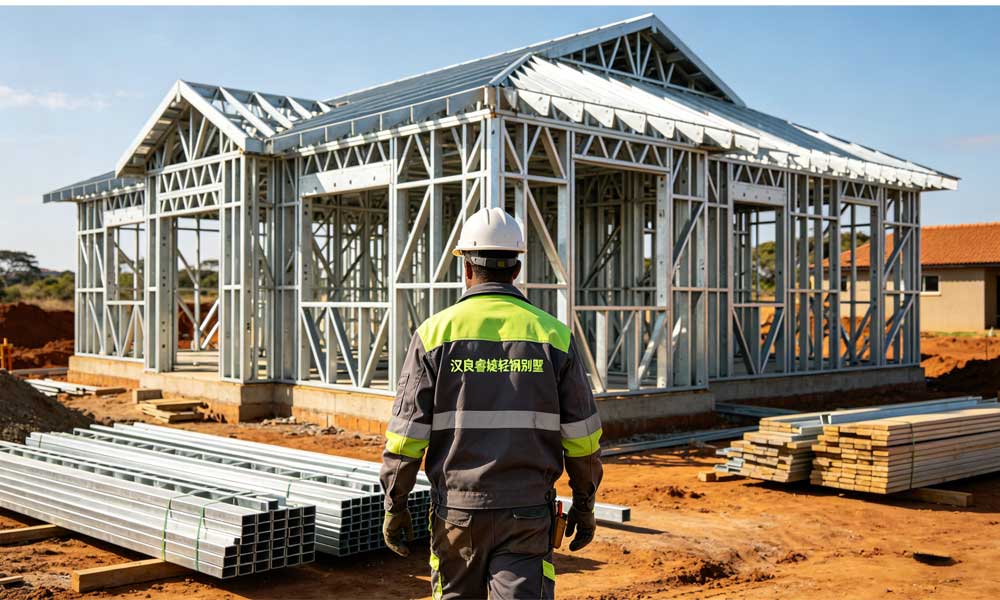
However, experienced practitioners in the cross-border light steel industry know that many manufacturers fail to expand overseas markets despite reliable product quality and competitive pricing. The core obstacle is the lack of standard international certifications. Most small and medium-sized export teams focus only on production and pricing while ignoring the varying building access standards of different countries, which often leads to customs detention, project acceptance failures, and lost bidding qualifications. For cross-border light steel villa manufacturers, complete international certifications serve not only as essential credentials for smooth customs clearance but also as core support for securing orders, building brand reputation, and ensuring stable project operation overseas.
Contrary to common misconceptions, professional overseas purchasers prioritize suppliers’ complete and compliant certification systems over low prices when selecting light steel villa partners, which is the key criterion for screening qualified manufacturers. Mature markets such as Europe, America, Australia, and New Zealand enforce strict access regulations, and products without valid certifications are prohibited from local market entry.
Non-compliant products may result in customs detention, cargo return, and high port detention fees. In severe cases, enterprises will face project acceptance failures, inability to purchase construction insurance, and disqualified bidding qualifications, causing irreversible economic losses. For instance, tourist camps and coastal resorts in Sydney, Australia, strictly require suppliers to provide complete structural test reports, fire resistance certificates, and structural calculation documents for light steel vacation villas and camp buildings. In European countries including Germany and France, CE certification is a basic mandatory threshold for light steel construction products. Clearly, international certifications are essential passports for light steel villa exports and a direct reflection of manufacturers’ professional capabilities.
All light steel villas and prefabricated light steel buildings exported to European countries such as Germany, France, Italy, and Spain must obtain CE certification, a mandatory standard for entering the European construction market. This certification strictly inspects core indicators including structural safety coefficients, building material performance, fire resistance grades, environmental protection indicators, and overall structural stability, covering key links in the production, material selection, and structural design of light steel buildings.
For light steel villa projects for scenic homestays and coastal resorts in Europe, overseas purchasers attach great importance to living comfort and environmental performance in addition to basic safety standards. Low-carbon prefabricated buildings, personalized vacation spaces, and lightweight homestay units are highly popular in Europe’s high-end cultural tourism market. Custom light steel villas with valid CE certification are perfectly suitable for high-end resort homestays, residential vacation houses, and scenic boutique villas, helping manufacturers gain wider recognition in the European market.
ISO series certifications are not single product qualifications, but they are essential credentials for overseas purchasers to evaluate manufacturers’ comprehensive strength and are indispensable for large-scale cross-border light steel projects.
ISO 9001 Quality Management System certifies standardized production processes, stable product quality, and comprehensive after-sales service systems. Light steel villas are highly customized products involving design, production, transportation, assembly, and after-sales support. A standardized quality management system effectively eliminates customers’ cooperation concerns.
ISO 14001 Environmental Management System conforms to the global trend of green building development. Environment-friendly and recyclable light steel residences are in rising demand in environmentally stringent cities such as Auckland in New Zealand and Vancouver in Canada. Purchasers of residential vacation villas focus heavily on material environmental performance, energy efficiency, and recyclability, making ISO 14001 certification a key advantage for enhancing international competitiveness.
ISO 45001 Occupational Health and Safety Certification reflects standardized factory production and safety management capabilities. It is generally required by overseas clients for government projects, large-scale camp constructions, and high-end homestay and hotel projects.
The United States maintains strict inspection standards for construction products. Light steel villas exported to cities including Los Angeles, Houston, and Miami must comply with local certification and testing standards, mainly ICC certification and ASTM standard testing.
ICC certification is the core U.S. building code certification, focusing on overall structural safety, wind resistance, seismic performance, and structural connection stability. Coastal and southern regions of the U.S. are frequently hit by hurricanes and severe storms, so local clients have extremely high requirements for the wind resistance, seismic resistance, and durability of residential light steel buildings.
ASTM standard testing focuses on raw material quality, covering steel strength, galvanized layer thickness, corrosion resistance, and building material durability. Island light steel villa projects in the Maldives, the Philippines, Indonesia and other regions operate in high-humidity and high-salt-spray environments. Substandard corrosion resistance will lead to extremely high later maintenance costs, making ASTM test reports a vital credential for island resort light steel building exports.
Australia and New Zealand are core markets for Chinese light steel villa exports, with extremely strict safety standards for prefabricated light steel buildings, focusing on wind resistance, seismic performance, and fire resistance. Frequent bushfires in Australia have further raised local fire safety standards for light steel homestays and vacation villas in recent years.
Light steel villas exported to Australia and New Zealand must strictly comply with AS/NZS construction standards and be equipped with complete fire test reports and engineering structural calculation documents. For long-term operated scenic vacation villas and rural homestay projects, additional reports on thermal insulation performance, energy consumption, and sound insulation are usually required to meet local residential building comfort standards.
The Middle East cultural tourism industry has developed rapidly in recent years. Countries including Saudi Arabia, the UAE, and Qatar are vigorously developing desert camps, high-end homestays, and resort hotel projects. Light steel villas have become popular local building products due to their strong adaptability and fast installation speed, and SABER certification has become a mandatory entry requirement for exports in this region.
Many exporters overlook this certification, resulting in customs clearance failures and cargo detention that delay project progress. At present, most cultural tourism light steel projects and desert prefabricated camp buildings in the Middle East require valid SABER certification documents for smooth customs clearance, local filing, and official operation.
Experienced overseas purchasers understand that certifications alone cannot guarantee smooth project delivery. Therefore, besides verifying qualification documents, they also attach great importance to manufacturers’ comprehensive strength and project implementation capabilities.
Authentic overseas project cases are the most convincing proof of strength. Completed projects such as Australian camp residences, Canadian snowfield homestays, Thai seaside vacation villas, and Japanese high-end light steel courtyard houses effectively build customer trust, far better than empty promotional descriptions. Meanwhile, complete technical documents including structural drawings, installation guidelines, detailed node drawings, foundation construction drawings, and electrical layout diagrams are essential to ensure efficient and high-quality project delivery.
In addition, overseas service capability serves as a core competitive advantage. Buyers of high-end customized light steel villas pay close attention to remote installation guidance, professional English-speaking technical teams, and assistance with local construction approval procedures.
The export light steel villa industry has moved beyond low-price competition and entered a new era of integrated competition focusing on certification, brand strength, and service quality. The global market demands higher standards for building safety, energy conservation, living comfort, and personalized design, creating broad market space for high-end light steel homestays, prefabricated vacation houses, and customized residential villas. Chinese exporters that complete full international certification systems and optimize product quality and overseas service systems can steadily expand global market share and improve brand premium and order conversion rates.
 Follow us