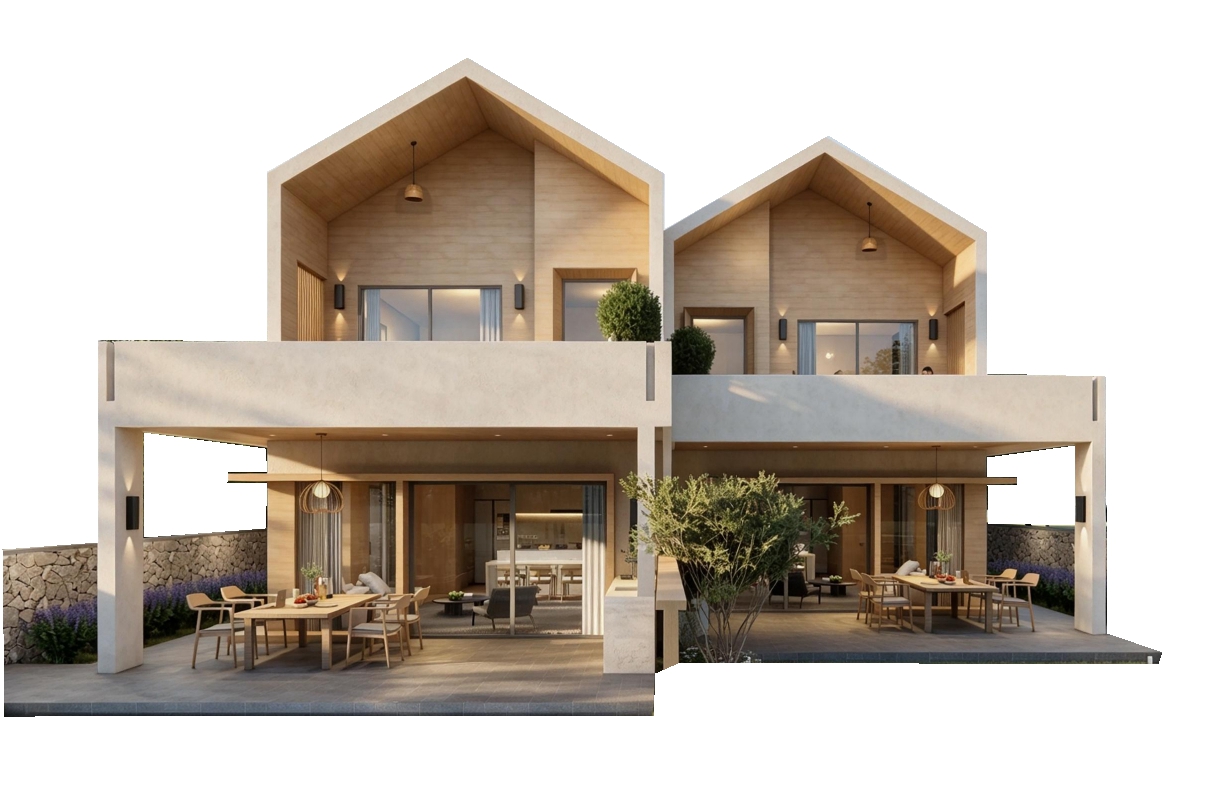
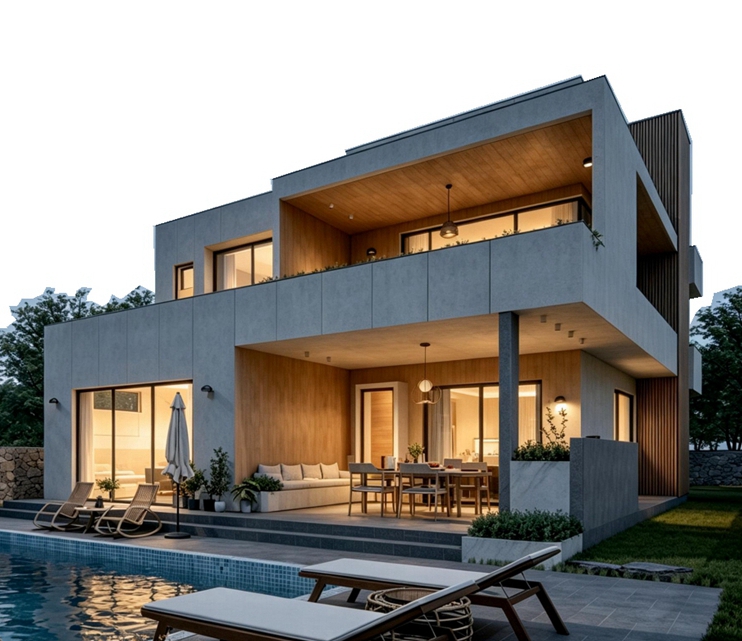
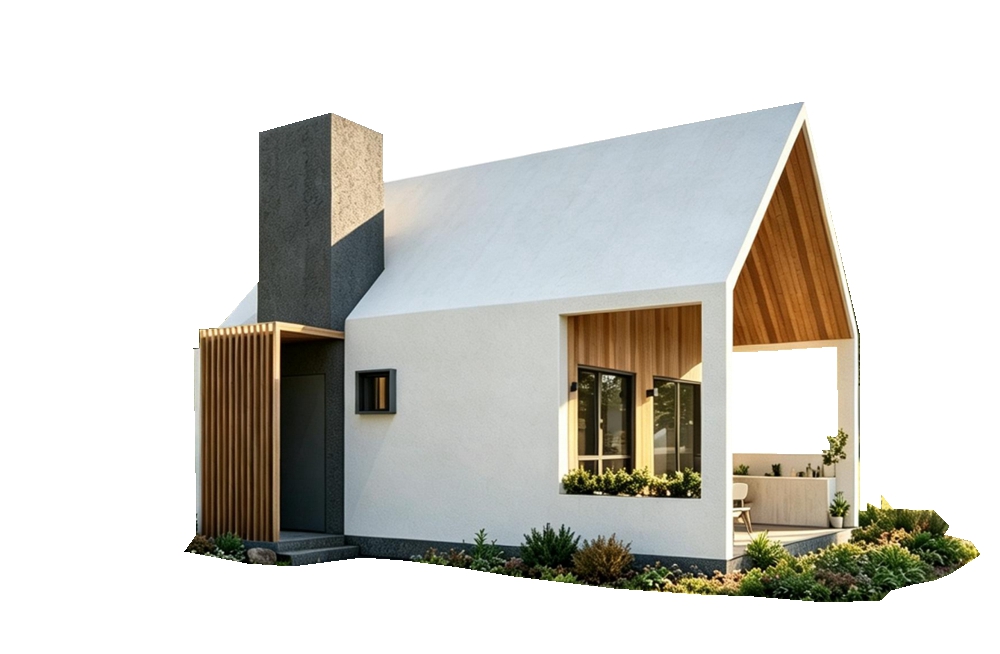
In recent years, Australia’s housing shortage has become increasingly severe. Prefabricated modular buildings have quickly gained popularity due to their efficiency, environmental friendliness, and energy-saving advantages. Chinese light steel villas, with their high cost-effectiveness and strong adaptability, have become a popular building product exported to Australia. However, Australia is notoriously strict with compliance requirements for imported building products, and various certifications are the "passport" for smooth customs clearance and legal market entry. Many enterprises, unfamiliar with local certification rules, often face issues such as goods detention, customs clearance delays, fines, or even return shipments, wasting time and money unnecessarily. Drawing on our years of practical experience in exporting light steel villas to Australia, we will break down the necessary certifications, key application points, and regional adaptation requirements today.
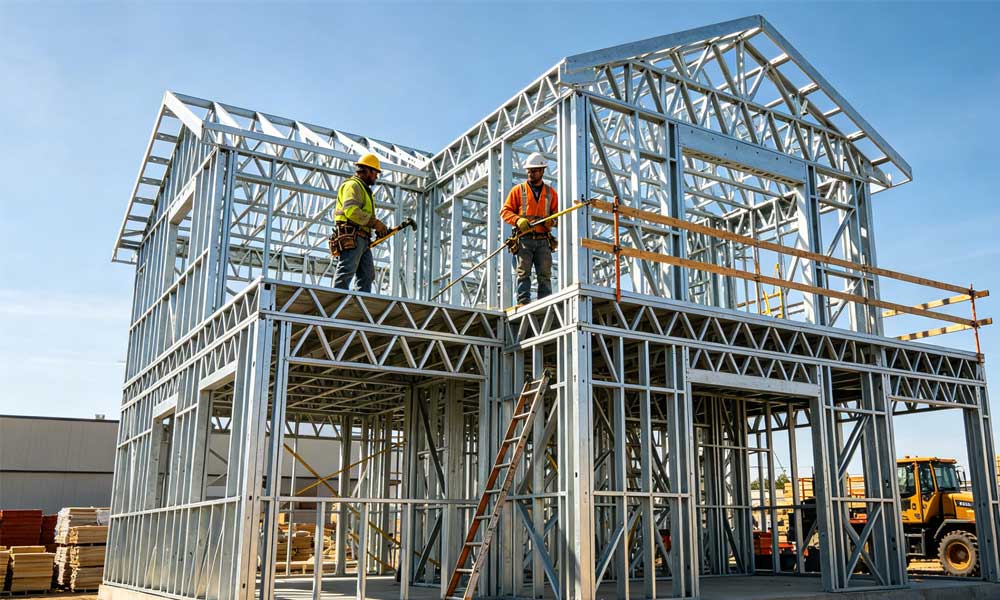
CodeMark Certification is the core mandatory certification for light steel villas exported to Australia. Supervised by the Australian Building Codes Board (ABCB) and directly aligned with the National Construction Code (NCC), it proves that products meet Australia’s national unified standards for building safety, performance, and environmental protection. Simply put, without this certification, light steel villas cannot pass customs at all, let alone be legally sold and used in the Australian market—it is a real "hard threshold" for market entry.
There are two key points to keep in mind when applying for CodeMark Certification to avoid detours: First, you must entrust a JAS-ANZ accredited certification body to submit the application, along with complete product technical documents, structural design drawings, and third-party test reports. The tests must comply with the AS/NZS 4600 Cold-Formed Steel Structures Standard, ensuring that the yield strength of the light steel keel is not less than 250MPa and the coating reaches Z275 or higher—no room for ambiguity. Second, there are two types of certifications: for bulk exports, it is recommended to apply for Product Certification, which is valid for 5 years and covers all batches of products of the same specification, eliminating the need for repeated applications and saving a lot of trouble and costs; for single-unit trial orders, a Temporary Certification is sufficient, which is only valid for that specific batch. Additionally, after obtaining certification, the CodeMark logo must be affixed to a prominent position on the product to ensure circulation across Australia.
Light steel villas have a complex structure, including main structure, electrical systems, fire protection, decoration, and several other components. In addition to the core CodeMark Certification, corresponding specialized certifications must be obtained based on the specific configuration of the product—none can be missing. Otherwise, customs clearance will definitely be blocked, and this is also a key step to ensure product compliance.
Among these, the asbestos-free test report is the top priority! Australia has fully banned asbestos since 2003, and customs has a "zero tolerance" policy for asbestos-containing materials—no compromises allowed. All materials of the light steel villa, such as wall panels, insulation cotton, and sealants, must be accompanied by an asbestos-free test report issued by a NATA (National Association of Testing Authorities, Australia) accredited laboratory. In accordance with the AS 4964-2004 standard, the detection limit must be ≤0.1%, and the conclusion "No asbestos detected" must be clearly marked. Domestic CNAS reports are not recognized in Australia, so don’t waste your effort. Fire protection certification must comply with the AS/NZS 1530 series standards, focusing on testing material flammability, heat release rate, and smoke toxicity. A third-party fire test report must be submitted to ensure compliance with local fire safety regulations. For electrical systems, if the light steel villa is equipped with electrical equipment such as air conditioners and lighting, SAA Electrical Certification must be obtained, complying with the AS/NZS 3000 Electrical Installation Standard to adapt to local Australian voltage requirements. Additionally, if bathroom accessories such as faucets and pipelines are included, an additional WaterMark Certification is required—none can be overlooked.
Certification requirements for buildings vary across different states in Australia, and the local climate is also diverse—hot and humid in the north, cold in the south, and prone to typhoons in coastal areas. This puts additional requirements on the adaptability of light steel villas, which is also the core of regional adaptation. Understanding the differences between states in advance can effectively avoid the embarrassment of obtaining certification but being unable to launch the product locally.
For example, Queensland is a typhoon-prone area, requiring light steel villas to pass additional wind load resistance tests and strengthen structural wind resistance design to ensure they can withstand the impact of strong typhoons. Western Australia has additional fire protection requirements, requiring all light steel structures to pass the additional BS 476-22 fire test. New South Wales and Victoria require light steel villas to meet the NatHERS 6-star energy rating standard, pass energy efficiency tests, and optimize insulation design to adapt to local energy-saving requirements. In addition, all certification documents and product labels must be prepared in English, clearly indicating the product name, country of origin, importer information, and certification marks. Don’t let the application be rejected due to non-compliant labels, which will delay time.
Many enterprises often step into pitfalls due to misunderstandings when exporting light steel villas, leading to certification failure or customs clearance delays, which is a waste of time and money—it’s not worth it. The most common pitfall is confusing international certifications. Many enterprises think that having EU CE certification will ensure smooth customs clearance in Australia, but this is not the case. Australia has its own independent certification system, and CE certification is completely useless locally. Local certifications such as CodeMark must be obtained—don’t take chances.
In addition, incomplete documentation and inconsistency between test samples and mass-produced products are also high-frequency pitfalls. Many enterprises experience delayed or even failed certification reviews because they miss structural calculation reports, production quality control manuals, or because the test samples are different in material from the actual exported products. At the same time, never ignore the validity period of certificates: CodeMark Certification is valid for 5 years and must be renewed in advance—don’t wait until it expires to apply, as this will affect exports. Asbestos-free test reports are valid per batch, with a validity period of 12 months, and new tests must be conducted for different batches. Additionally, never take shortcuts by obtaining fake certifications from unregulated institutions. Once detected by Australian regulatory authorities, not only will the goods be confiscated, but it will also affect the enterprise’s subsequent export qualifications—it’s truly not worth it.
In fact, the core of certifications for exporting light steel villas to Australia can be summed up in one sentence: ensure compliance in advance, apply as needed, and align with regional requirements. By clarifying the core CodeMark Certification, specialized certifications, and state-specific adaptation requirements in advance, avoiding common pitfalls, and choosing formal certification bodies and NATA-accredited laboratories, you can not only shorten the certification cycle but also avoid unnecessary cost losses.
 Follow us