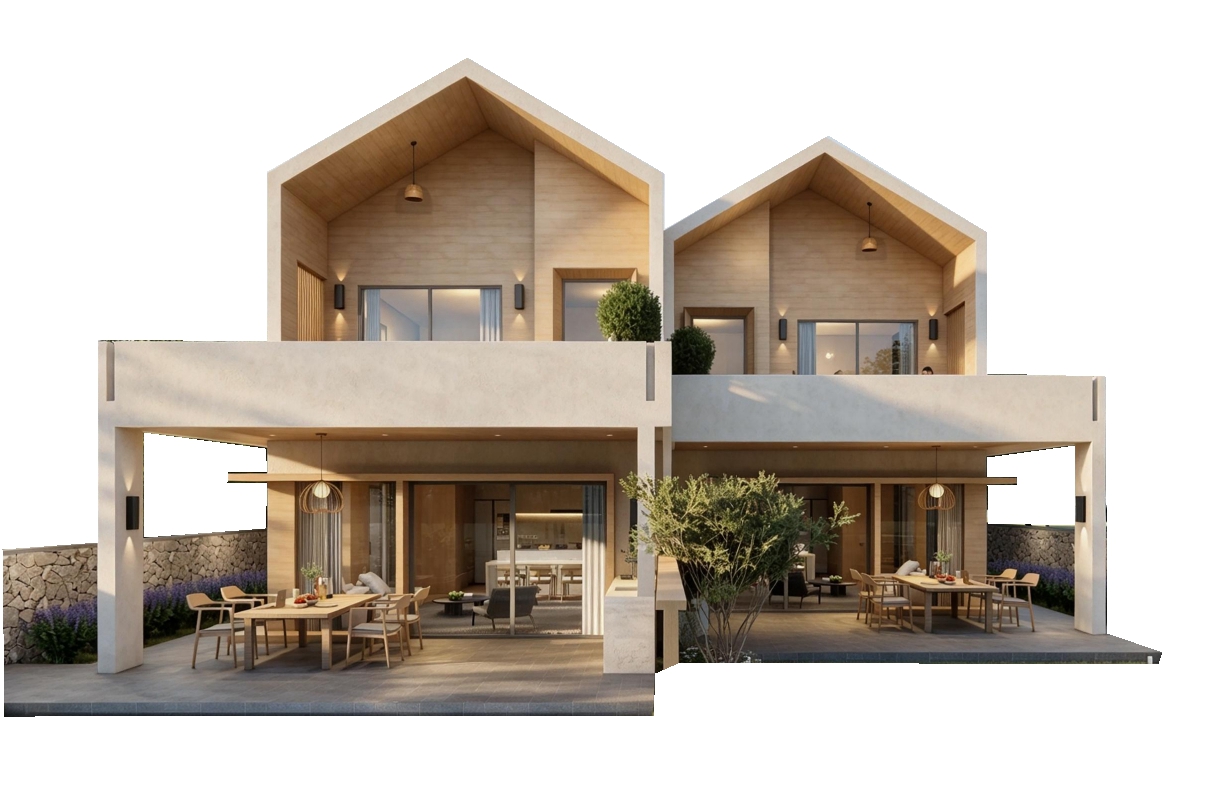
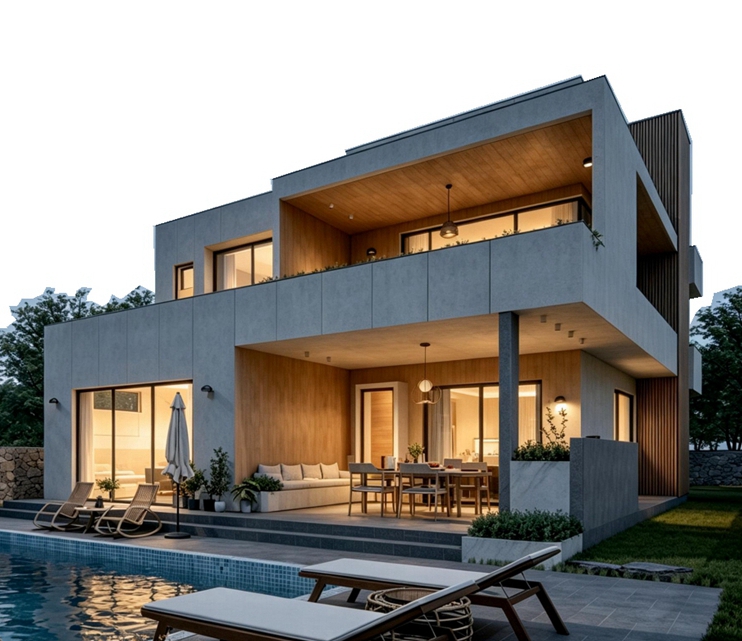
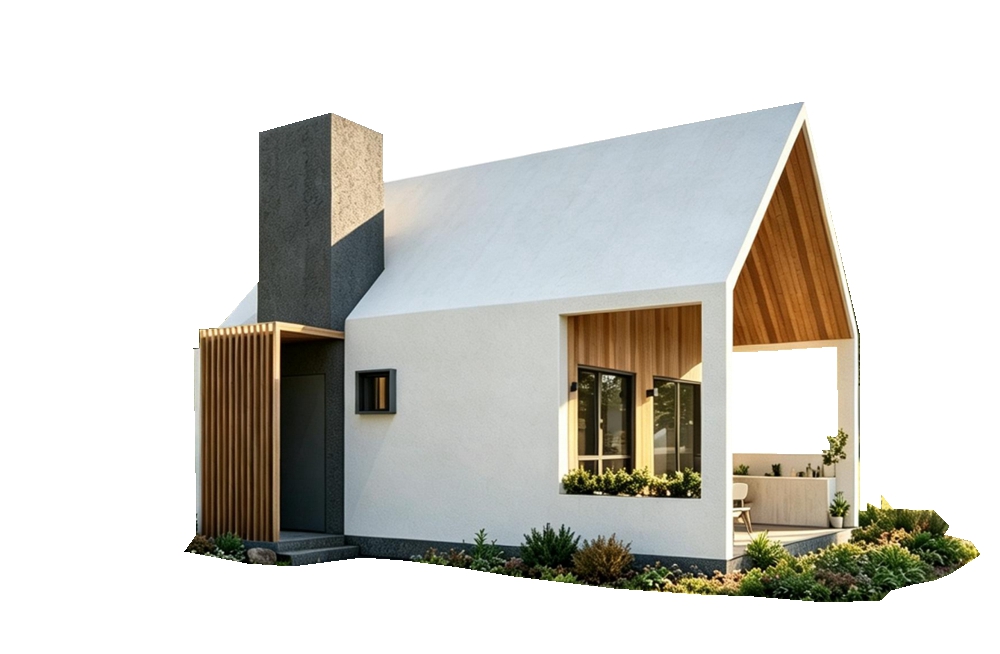
Industry practitioners focusing on Saudi modular construction exports have witnessed booming market demand in recent years. Modular light steel villas in Riyadh, coastal light steel residential buildings in Jeddah, oilfield modular barracks in Dammam, and lightweight prefab homestays in Mecca are widely adopted across the region. Featuring short construction cycles, excellent sandstorm resistance, and strong adaptability to desert climates, light steel structures have become a top choice for Saudi civil housing and infrastructure projects.
However, many exporters encounter unexpected setbacks at the customs despite high-quality product delivery. Common issues including detained cargo, project delays, and costly port storage fines rarely stem from product defects. The real cause is insufficient understanding of Saudi compliance regulations and the lack of SABER certification — the mandatory market entry permit for imported prefab buildings.
Launched by the Saudi Standards, Metrology and Quality Organization (SASO), the SABER conformity assessment platform serves as the compulsory customs clearance certificate for modular light steel buildings and construction materials. It is also a core prerequisite for municipal inspection and project registration in Saudi Arabia. This guide elaborates on the scope, latest compliance standards, complete application procedures, and common pitfalls of SABER certification for light steel villas, providing practical references for exporters, engineering contractors, and overseas property owners.
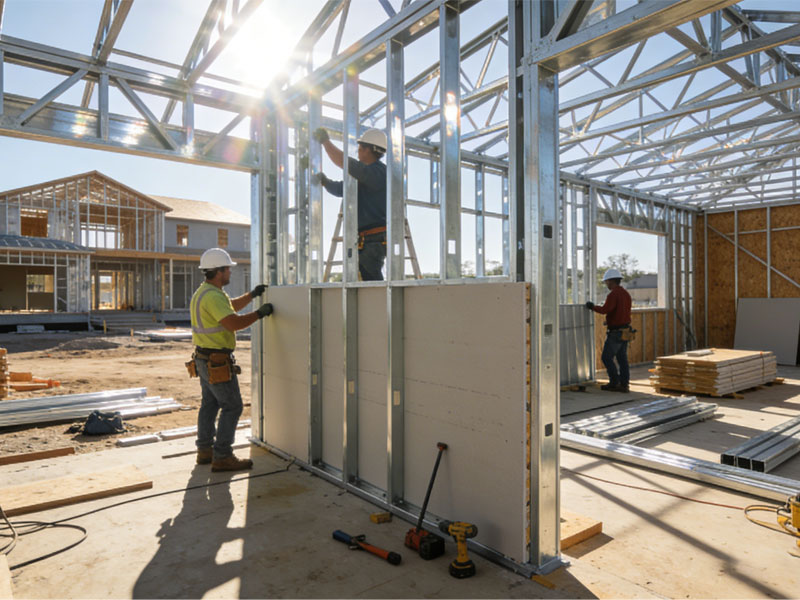
Many exporters misunderstand SABER as an ordinary building material certification. In fact, Saudi customs authorities classify complete modular light steel villas as high-risk integrated construction equipment under mandatory SABER supervision, covering all civil, commercial, and industrial prefab construction projects across Saudi Arabia.
Whether for urban renewal residential projects in Riyadh, coastal vacation properties in Jeddah, or industrial camp barracks in Dammam and Jubail, all imported light steel prefab buildings and supporting accessories require valid SABER certification for smooth customs clearance, on-site construction, and official project filing.
Different from single-component material certification, the audit standards for integrated light steel buildings are far more stringent. Saudi authorities do not only verify the qualifications of individual materials such as steel frames, wall panels, and doors and windows. They also conduct comprehensive inspections on overall structural safety, fire resistance performance, electrical system stability, and climate adaptability, fully complying with local Saudi building codes and desert environment-specific standards. Uncertified shipments face detention, return, fines, and even complete project suspension due to failed municipal acceptance.
In accordance with the latest SASO technical regulations, SABER certification for light steel buildings covers four core audit dimensions: structure, fire safety, electrical systems, and climate adaptability, which constitute the key evaluation criteria for local project acceptance.
Structural and Material Compliance: All main load-bearing light steel frames must comply with SASO metal construction material specifications. The steel structure must deliver superior salt corrosion resistance, high-temperature resistance, and deformation resistance to adapt to Saudi Arabia’s extreme high temperatures, large day-night temperature differences, and coastal salt fog erosion. All steel components must be equipped with authoritative third-party test reports detailing thickness, galvanization standards, and anti-corrosion grades, eliminating unqualified substandard materials.
Fire and Civil Defense Compliance: Fire safety is the most strictly audited segment in Saudi certification. Wall insulation materials, interior decorative panels, and sealing accessories must meet official fire resistance grades. Equipped smoke detectors, emergency escape passages, and flame-retardant electrical fittings must fully comply with SASO fire and electrical safety codes, especially for high-density areas including Riyadh, Mecca, and Jeddah.
Electrical System Compliance: Pre-embedded circuits, power distribution equipment, and lighting systems must conform to Saudi low-voltage electrical safety standards. All electrical components require official certification to prevent leakage, overload, and short-circuit risks under persistent high-temperature outdoor operating conditions.
Desert Climate Adaptability Standards: Considering Saudi Arabia’s extreme summer heat, intense sandstorms, and arid climate, auditors strictly verify roof wind load resistance, wall thermal insulation, overall dustproof sealing performance, and high-temperature aging resistance of steel structures. These indicators ensure long-term stable operation of light steel villas in desert, coastal, and urban scenarios across Saudi Arabia.
The certification process for integrated prefab light steel buildings differs greatly from ordinary construction materials, consisting of six standardized steps. Proper advance planning effectively avoids certification delays and project schedule losses.
1. Enterprise Platform Registration: Export enterprises register official accounts on the SABER platform and submit business licenses, production qualifications, and factory certification documents to complete enterprise qualification verification and establish a permanent official compliance file.
2. Product Documentation Submission and Classification: Match accurate HS codes based on integrated villa attributes, and submit complete construction drawings, structural calculation reports, material lists, process specifications, and application scenario descriptions to complete official product classification and rating.
3. Authorized Third-Party Testing: Conduct full-scale performance tests on structure, fire safety, electrical systems, and anti-corrosion thermal insulation via SASO-approved laboratories. Standardized English test reports are mandatory prerequisites for certificate issuance.
4. Factory Audit: As high-risk integrated construction products, modular villas require official factory spot checks. Auditors verify production craftsmanship, quality control systems, and material traceability to ensure consistent quality between mass-produced products and tested samples.
5. PCoC Product Certificate Issuance: Upon passing all reviews, a one-year valid Product Conformity Certificate (PCoC) is issued. Qualified products of the same specification can reuse this certificate within the validity period without repeated testing.
6. Shipment Clearance Certificate Application: Exporters apply for a single-shipment Shipment Conformity Certificate (SCoC) with the valid PCoC before each delivery. Dual certificates ensure barrier-free Saudi customs clearance.
Based on extensive Saudi project experience, most customs clearance failures and certification rejections result from three typical industry pitfalls:
Mistake 1: Confusing single-material certification with integrated building certification. Many enterprises only obtain certificates for steel plates and wall panels while ignoring integrated certification for the overall structure, fire safety, and electrical systems. Incomplete certification documents lead to final project acceptance failure and invalid investment.
Mistake 2: Neglecting regional differentiated standards. Saudi regions have distinct compliance requirements. Coastal areas such as Jeddah and Dammam mandate enhanced salt spray corrosion resistance certification, while inland desert regions like Riyadh prioritize high-temperature thermal insulation and sandstorm resistance. Generic test reports without regional adaptation will be rejected by municipal authorities.
Mistake 3: Improper certificate validity management. The PCoC is only valid for one year and requires timely renewal. Failure to apply for the SCoC before shipment causes cargo detention and expensive daily port storage fees, resulting in unnecessary economic losses.
Q1: Is repeated testing required for every batch of exported Saudi light steel villas?
No. After obtaining the one-year valid PCoC, products with identical specifications, craftsmanship, and configurations do not need repeated testing within the validity period. Only a separate SCoC is required for each shipment, greatly reducing certification costs and cycle time for batch exports to various Saudi regions.
Q2: Can uncertified light steel villas enter Saudi Arabia for temporary engineering use?
Absolutely not. Saudi Arabia implements full-coverage supervision on all imported integrated prefab buildings. All products, including permanent villas, resort residences, oilfield temporary barracks, and construction site temporary houses, fall under mandatory SABER regulation. Uncertified cargo will be detained and returned, and enterprises will face adverse records affecting future Saudi export qualifications. No temporary exemption policy applies.
Q3: How long does SABER certification take for modular light steel villas? How to speed up the process?
The standard full certification cycle ranges from 2 to 4 weeks, covering document review, laboratory testing, factory audit, and certificate issuance. Preparing complete drawings, material reports, and fire & electrical compliance documents in advance, and adapting configurations to local regional climate standards can eliminate repeated revisions. The whole process can be compressed to within 2 weeks to match conventional Saudi project construction schedules.
 Follow us