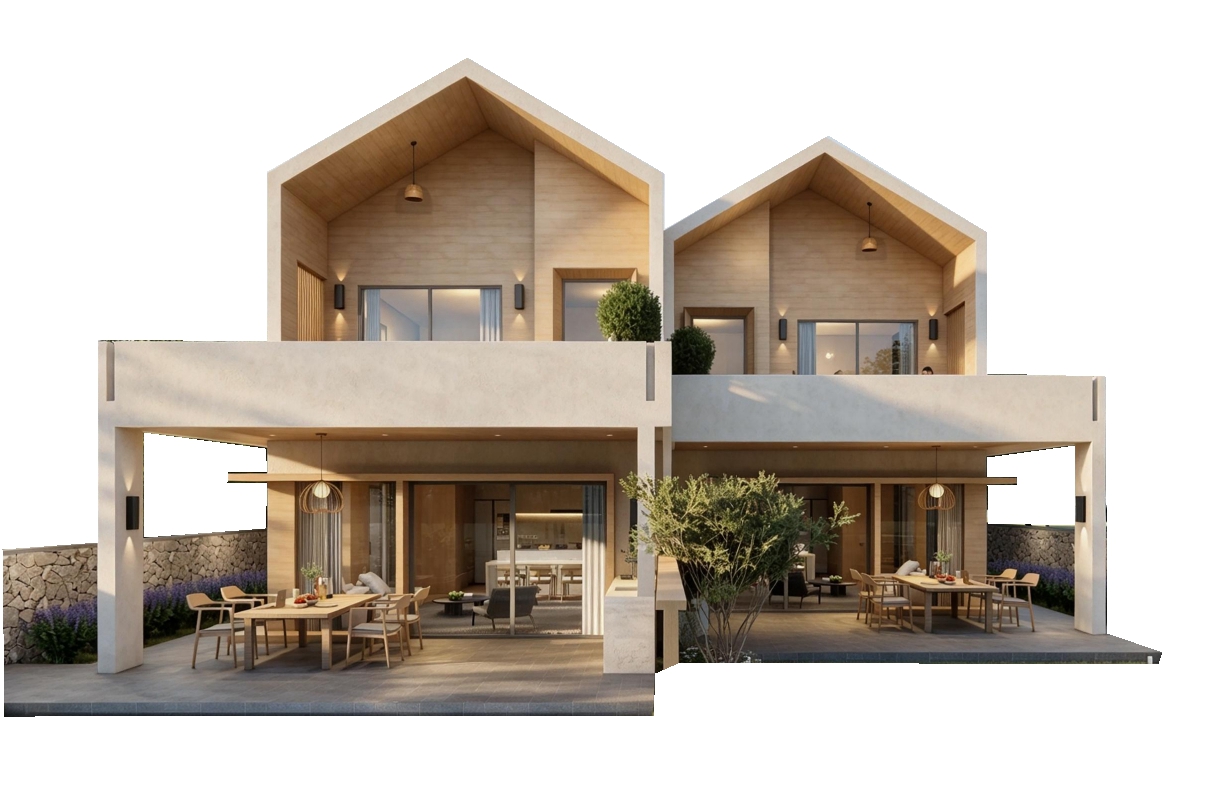
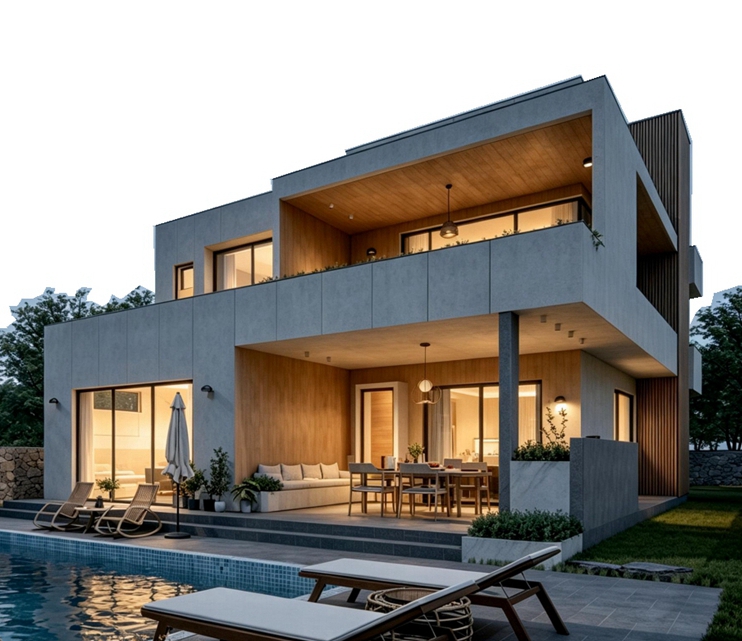
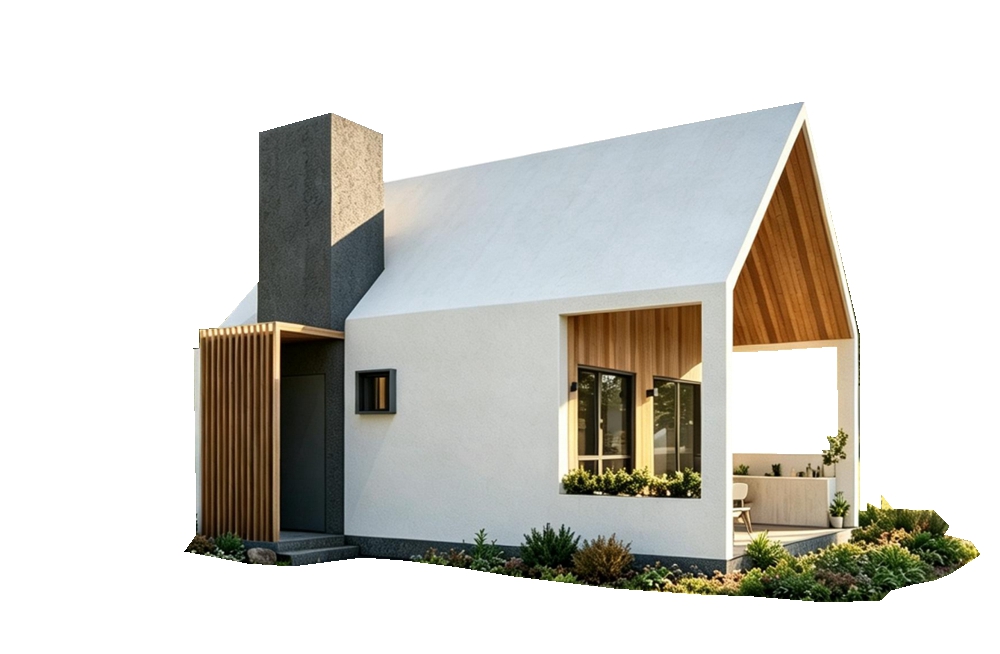
Africa's real estate market is in a development stage with both opportunities and competitions. Accelerated population growth and urbanization have spawned a huge demand for housing. According to relevant data from the United Nations, Africa needs to build hundreds of millions of housing units in the next 6 years to promote slum renovation. However, at the same time, prominent challenges such as high costs, power shortages, and low construction efficiency have trapped many developers in a dilemma of homogeneous competition. Against this market background, more and more African developers have taken Hanliang Ruijie's integrated solution of light steel villas + photovoltaic energy storage as the core support to break through competition barriers and enhance core competitiveness. With multiple core advantages in cost, efficiency and adaptability, they have quickly seized market share.
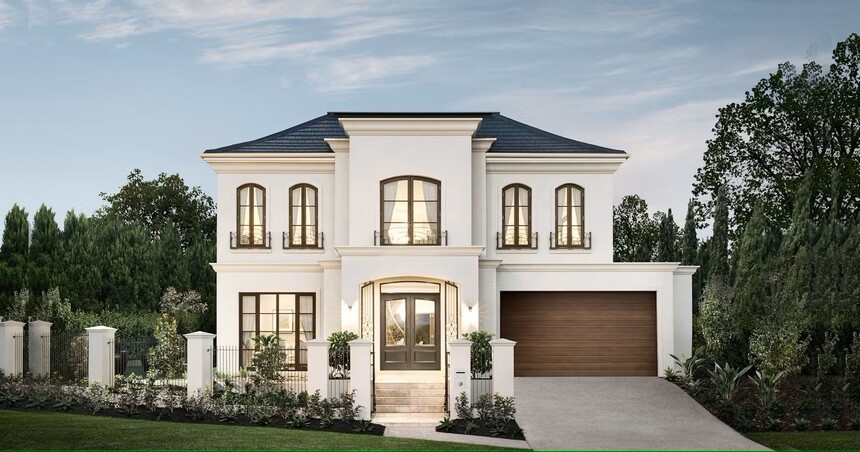
For African developers, cost control capability directly determines the project profit level and core market competitiveness. Currently, Africa's construction market is facing practical problems such as a shortage of skilled workers and frequent fluctuations in building material prices. The material loss rate of traditional brick-concrete buildings is as high as 10%-15%, and the construction period is as long as 6-12 months. The superposition of labor costs and material costs has greatly compressed the profit space of developers. Relying on the advantages of the whole-chain production and operation, Hanliang Ruijie provides developers with a cost-effective integrated solution, fundamentally alleviating the cost control pressure on developers.
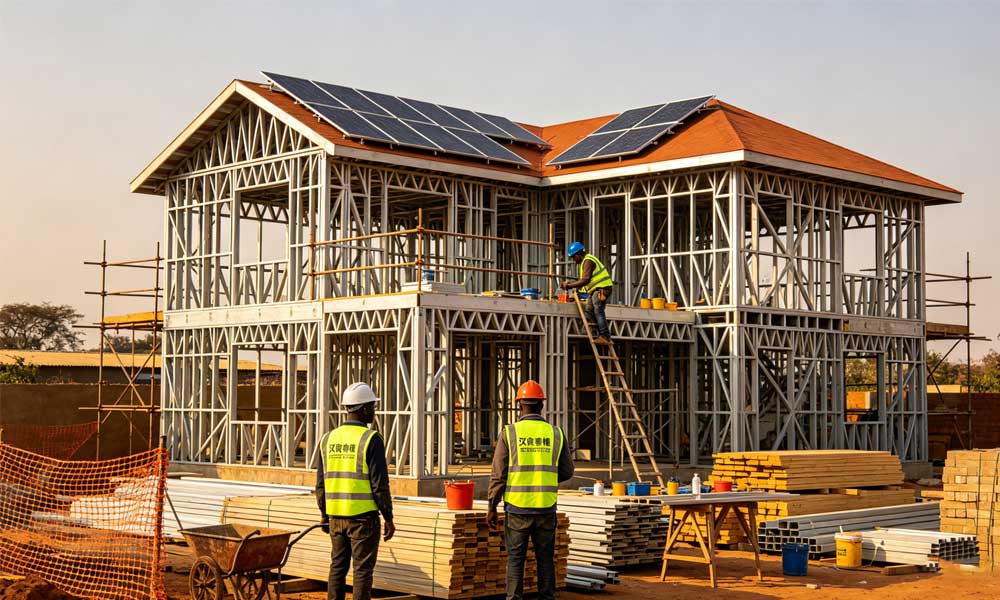
Relying on its own standardized production workshops and fully automated production lines, Hanliang Ruijie has realized the mass prefabrication of light steel components, strictly controlling the material loss rate within 3%, which is more than 60% lower than that of traditional brick-concrete buildings. Through the centralized bulk purchasing model, it further reduces the purchasing cost of core building materials such as steel and thermal insulation materials, consolidating the cost advantage. At the same time, adopting the prefabricated and on-site assembly construction model, 4 professional workers can complete the installation of a single villa within 30 days, which is 80% shorter than the traditional construction period, greatly reducing labor input and site management costs, and helping developers build an absolute advantage in cost competition.
Power shortage is a core pain point in African real estate development. Nearly 600 million people in Africa are facing the dilemma of unstable power supply. Most real estate projects in remote areas rely on diesel power generation for operation, with a cost per kilowatt-hour as high as 0.3-0.5 US dollars. This not only greatly increases the project operation cost, but also has problems such as insufficient power supply stability and noise pollution, which seriously weakens the market attractiveness of the project. Hanliang Ruijie has deeply integrated light steel villas with photovoltaic energy storage systems, accurately solving the power supply problems faced by developers, and becoming a core highlight for projects to build differentiated competitive advantages.
Combined with Africa's high-quality solar energy resources with an average annual sunshine duration of more than 2500 hours, Hanliang Ruijie is equipped with high-efficiency monocrystalline silicon solar panels and lithium iron phosphate battery energy storage cabinets for each light steel villa, building an independent power supply model of "generating electricity during the day and storing electricity at night". The cost per kilowatt-hour is reduced to 0.08-0.12 US dollars, which is more than 70% lower than that of traditional diesel power generation. This system can fully meet various power demand such as daily lighting and home appliance operation of the villa, which not only saves long-term electricity expenses for residents, but also significantly improves the market competitiveness of the project in power-shortage areas, effectively expanding the project premium space.
Africa's national building codes present a fragmented feature, with significant differences in climatic conditions and building standards in different regions. Compliance and regional adaptability are the core prerequisites for developers to expand the market. Having been deeply engaged in the African market for many years, Hanliang Ruijie has a comprehensive grasp of the building policies and regional climatic characteristics of various countries. Through product optimization and upgrading and the construction of a compliance certification system, it reduces the market access threshold for developers and helps them expand the scope of regional layout.
Relevant products have passed multiple international authoritative certifications such as ISO9001 quality management system and EU CE certification. According to the policy requirements of different African countries, it can assist developers in handling customs clearance documents such as SONCAP (Nigeria) and ECTN, ensuring that the products fully comply with local building codes. In response to the climatic characteristics of Africa such as high salt spray in coastal areas, extreme high temperatures in inland areas, and strong winds in some regions, Hanliang Ruijie has made targeted optimizations to the products, adopting AZ150-AZ200 coated light steel keels to improve corrosion resistance, and matching high-density rock wool sandwich panels to enhance thermal insulation effect. The wind resistance level reaches 12, which can fully adapt to the multi-regional climatic environment in Africa, helping developers efficiently break through regional market barriers.
At present, Hanliang Ruijie's integrated solution of light steel villas + photovoltaic energy storage has been successfully implemented in more than 20 African countries such as Kenya, Nigeria and Zambia, with a cumulative export volume of more than 1,000 sets, effectively helping many African developers achieve market breakthroughs. In the Kenya Mombasa-Nairobi Railway Camp Project, relying on the core advantages of rapid construction and independent power supply, the solution efficiently completed the delivery of hundreds of housing units in a short period of time, properly solving the two core problems of camp accommodation and power supply, helping developers efficiently complete project performance, and winning high recognition and evaluation from the local government and market.
For African developers, Hanliang Ruijie's integrated solution of light steel villas + photovoltaic energy storage is not only a set of standardized building products, but also an important strategic support for them to enhance core competitiveness. This solution not only effectively solves the core pain points such as cost control, power supply and compliance access, but also helps developers create differentiated advantage projects to break through in the fierce market competition. In the future, Hanliang Ruijie will continue to deepen local adaptation, focus on the core demands of African developers, provide more targeted integrated solutions, help them achieve sustainable development in the African real estate market, and demonstrate the international competitiveness and brand strength of Chinese green building enterprises.
 Follow us