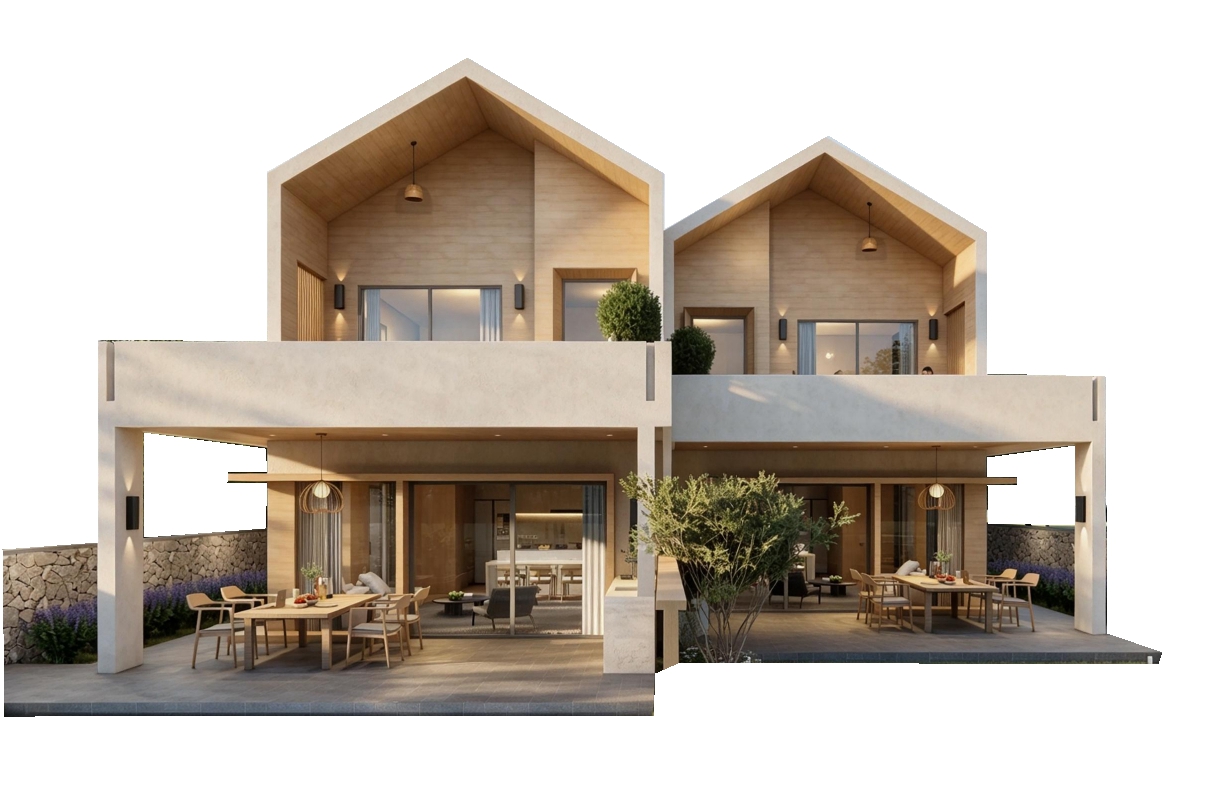
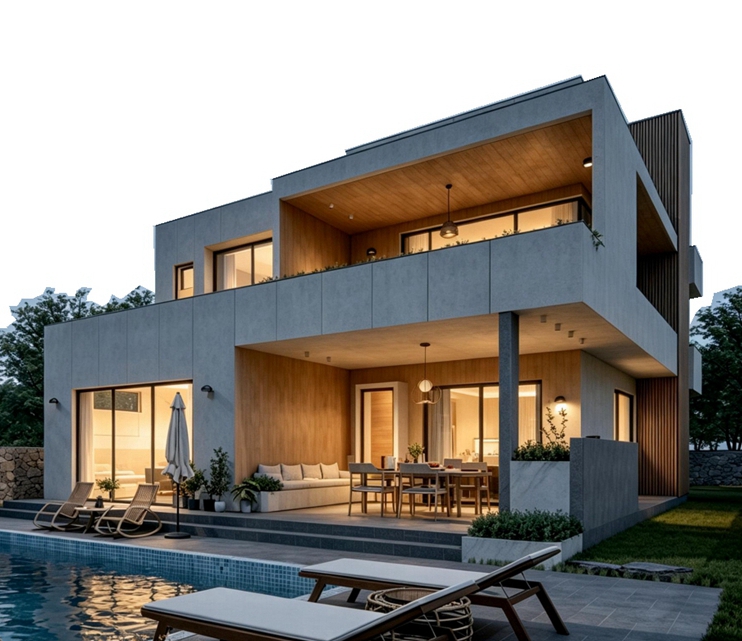
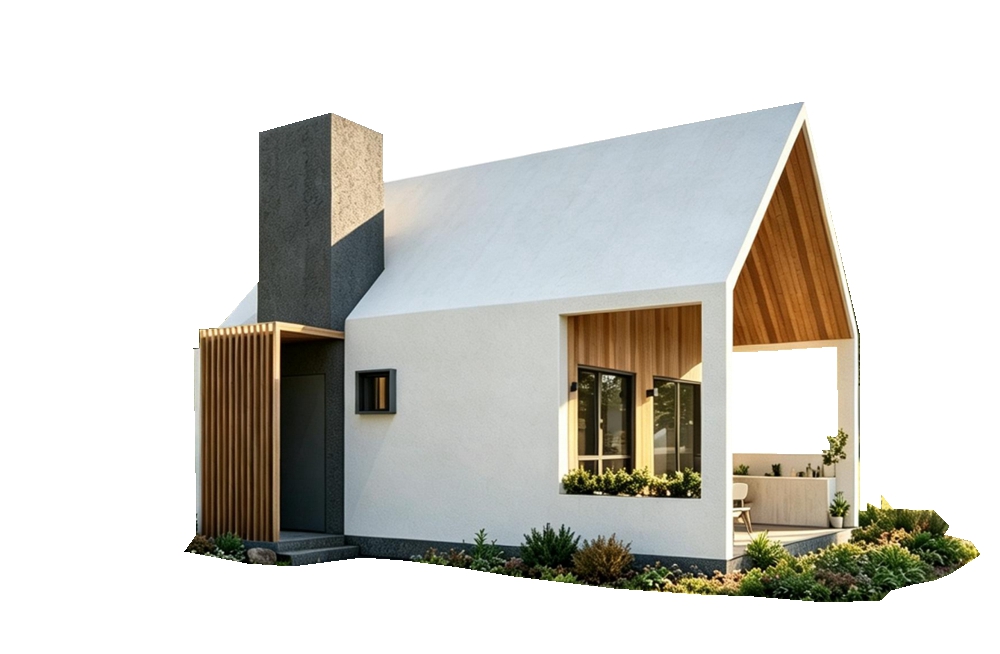
The African real estate market is experiencing explosive growth, with a market size of 160.5 billion US dollars in 2024, expected to exceed 347.3 billion US dollars by 2034, with a compound annual growth rate of 8.6%. Rapid urbanization, young population growth and infrastructure upgrading have driven the continuous rise in demand for housing and commercial real estate. However, problems such as shortage of skilled workers, insufficient power supply, high compliance thresholds and high operating costs have also become core obstacles for developers to improve project returns. Based on the pain points of the African market, Hanliang Ruijie has launched an integrated solution of light steel villas + photovoltaic energy storage, which has become a value-adding tool for African real estate developers with the core advantages of controllable costs, increased returns and reduced risks.
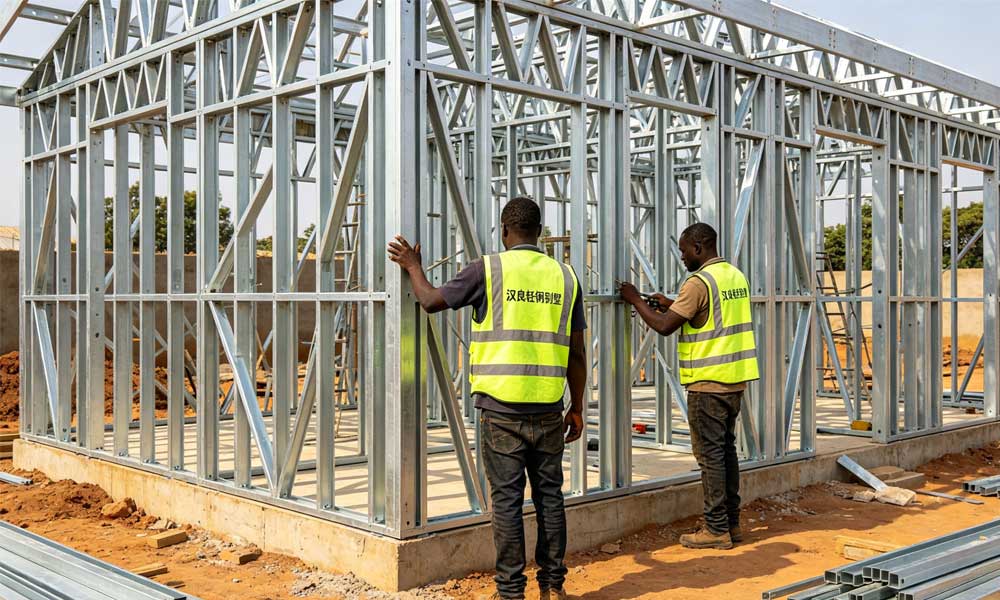
For African real estate developers, cost control is the core premise of project profitability, while the traditional brick-concrete construction model is difficult to break through the bottlenecks of long construction period, high loss rate and high labor costs. According to data from the African Development Bank, the gap of skilled workers in the African construction industry reaches 3 million. The construction period of traditional brick-concrete buildings is as long as 6-8 months, and the loss rate of building materials during transportation exceeds 20%, which significantly increases the time and capital costs of developers.
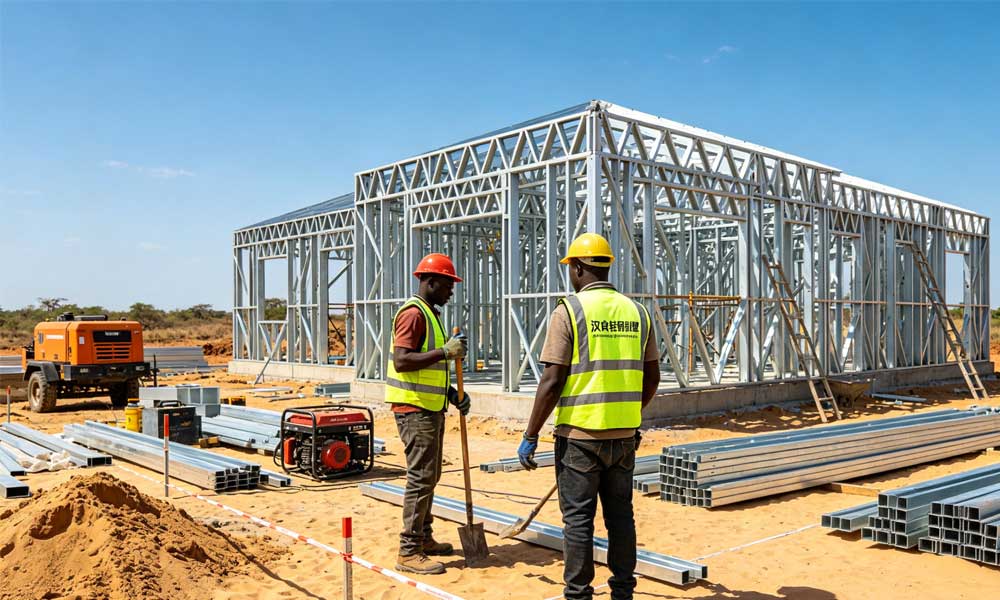
Hanliang Ruijie's light steel villas adopt a factory-standard prefabricated production model. All components are precisely cut and uniformly numbered. A 40-foot container can carry 200 square meters of building components, reducing the transportation loss rate by 80% and greatly saving cross-border logistics costs. On-site installation does not require large mechanical equipment. 4-5 local workers can work after simple training. The construction period of a 200-square-meter villa is only 30 days, which is 70% shorter than that of traditional brick-concrete buildings, and the labor cost is saved by more than 50%. After matching with the photovoltaic energy storage system, the long-term operating cost of the project is further reduced. A 5kW photovoltaic energy storage system can generate 30 kWh of electricity per day, which can meet the daily electricity needs of the villa, completely getting rid of the dependence on high-priced grid power and diesel power generation, and the long-term operating cost can be reduced by 30%, leaving sufficient profit space for developers. For example, a real estate developer in Nigeria cooperated with Hanliang Ruijie to build a project of 200 light steel villa residential units. After adopting this solution, the overall project cost was reduced by 38% compared with the traditional brick-concrete model, the construction period was shortened from 6 months to 30 days, and all housing units were delivered and rented out in only 2 months, which greatly improved the project turnover efficiency and return on investment, and became a benchmark case of efficient housing construction in the local area.
More than 600 million people in Africa face the dilemma of insufficient stable power supply. Power shortage not only affects the living experience, but also restricts the project premium space. At the same time, many African countries are actively promoting the development of green buildings. Countries such as Kenya and Nigeria have introduced policies such as tax reductions and subsidies to encourage developers to adopt energy-saving and environmentally friendly construction technologies, providing policy dividends for green projects.
Hanliang Ruijie innovatively integrates light steel villas with photovoltaic energy storage systems to create an integrated "housing construction + power supply" solution, which accurately meets the needs and policy orientation of the African market. The regular load-bearing structure of the roof of the light steel villa can directly lay high-efficiency monocrystalline silicon photovoltaic modules, adapting to the sufficient daily sunshine of 5-7 hours in Africa. The excess power can be connected to the community microgrid to obtain additional benefits, further increasing the project added value. In addition, the products adopt green and environmentally friendly building materials, which meet the African green building standards, helping developers apply for local environmental protection policy subsidies and reduce initial investment. At the same time, with the differentiated advantage of "green + independent power supply", the project rent or sales price can be increased by 15%-20%, enhancing the project market competitiveness. Taking a resort real estate project in Kenya as an example, the developer introduced Hanliang Ruijie's light steel villa + photovoltaic energy storage solution. It not only successfully applied for local green building tax reduction subsidies, but also increased the project rent by 18% with the highlight of "independent power supply and low-carbon environmental protection". The occupancy rate has been stably maintained above 90% for a long time. The excess power is connected to the local community microgrid, adding 12% additional income to the developer every year, achieving dual improvement of ecological and economic benefits.
Africa is a vast continent with significant differences in building codes and land policies among various countries. Some countries have strict requirements on land use and building compliance for foreign developers, and compliance risks have become an important factor restricting project implementation. For developers, avoiding compliance risks and achieving rapid implementation are the keys to ensuring project value addition.
Relying on years of experience in African exports, Hanliang Ruijie has comprehensively optimized the light steel villa + photovoltaic energy storage system, strictly following the building codes of various African countries. It can customize and adjust product design according to the specific requirements of different countries such as Nigeria, Kenya and Egypt to ensure that the project passes local approval smoothly. In response to the complex climate in Africa such as high temperature, sandstorms and hurricanes, the products adopt high-strength galvanized steel keels, with a wind resistance level of 12 and a seismic resistance level of 8, adapting to local climate conditions and reducing long-term maintenance risks. At the same time, Hanliang Ruijie provides a full-process one-stop service, including product design, cross-border transportation, on-site installation, after-sales maintenance and assistance in compliance approval, helping developers avoid the risks of overseas project implementation, shorten the project turnover cycle, and ensure the implementation of value-added benefits. A developer in Angola once faced the problems of cumbersome local building compliance approval and high difficulty in climate adaptation. After cooperating with Hanliang Ruijie, we optimized the anti-corrosion coating and thermal insulation design of components according to the local high salt spray and high temperature climate characteristics, assisted in handling ECTN customs clearance documents and local building compliance certification, and completed project approval and installation of the first batch of villas in only 45 days. After the project was put into operation, there were no compliance or quality problems, which was highly recognized by the local government and owners. Subsequently, the developer added a cooperation order of 300 units.
At present, Hanliang Ruijie's integrated solution of light steel villas + photovoltaic energy storage has been successfully implemented in many African countries, helping developers reduce project costs and increase returns, and has been widely recognized. In the wave of rapid development of the African real estate market, Hanliang Ruijie will continue to deepen its presence in the market, optimize products and services according to local needs, provide developers with more competitive value-added solutions, help developers seize the opportunities of the African real estate market, achieve sustainable profitability, and win the dividends of African urbanization development together.
 Follow us