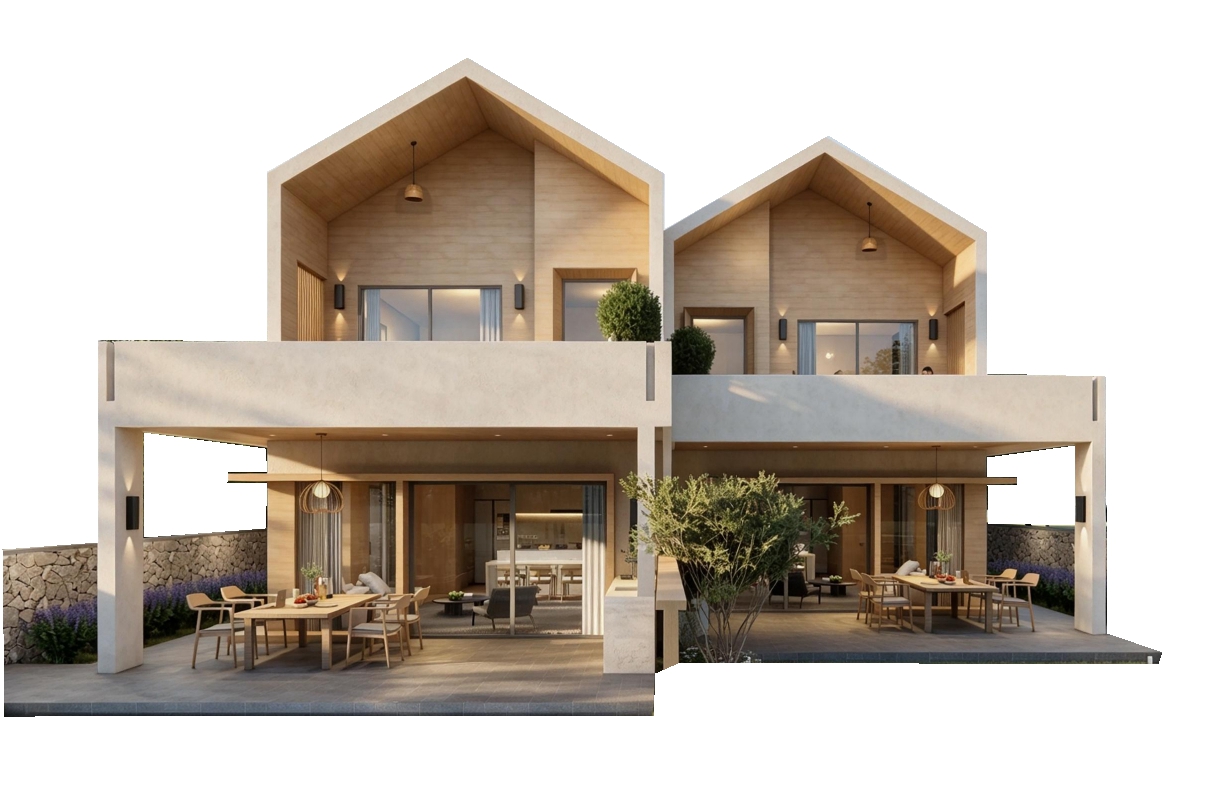
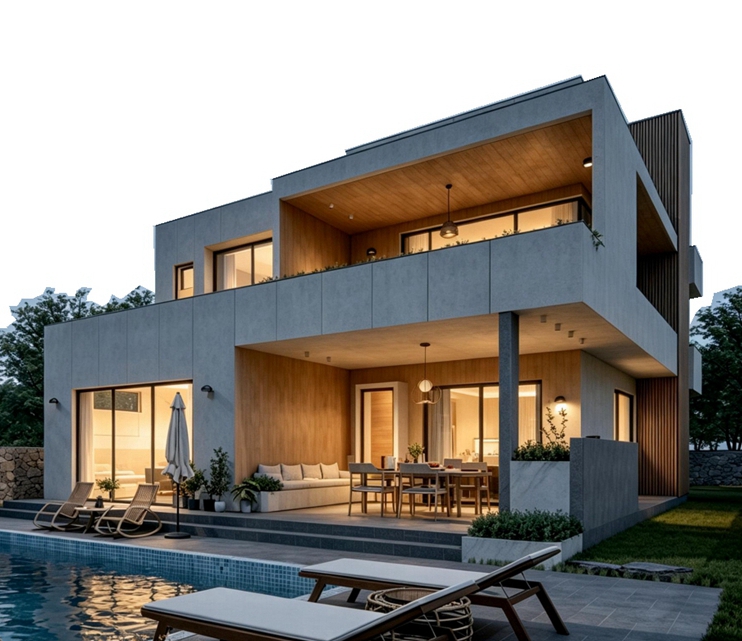
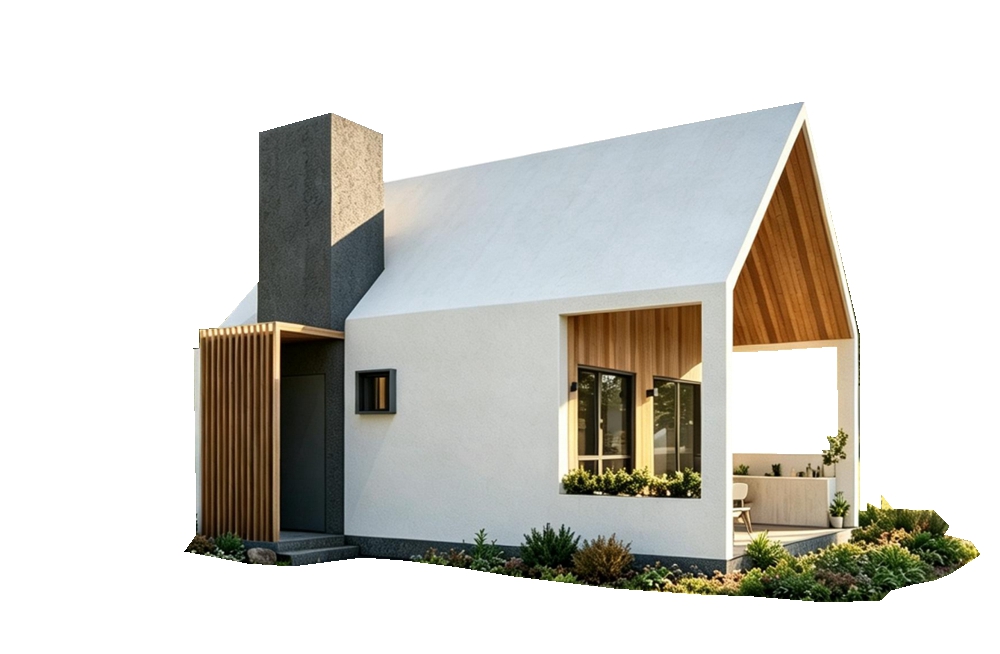
As a core component of the roof system of light steel villas, roof tiles not only determine the overall texture of the building's appearance but also undertake key functions such as waterproofing, wind resistance, and heat insulation. The scientificity of their selection and service life directly affect the living experience and overall structural durability of light steel villas. Unlike traditional brick-concrete buildings, light steel villas adopt a lightweight steel structure, so the selection of roof tiles must focus on weight adaptation, structural compatibility, and climate adaptability to avoid engineering hazards such as roof leakage, tile falling off, and shortened service life caused by improper selection. Combining Hanliang Light Steel Villa's years of engineering practice experience and industry standard requirements, this article systematically sorts out the mainstream types of roof tiles suitable for light steel villas, in-depth analyzes the differences in service life of various products, and is accompanied by a parameter comparison table to provide professional selection reference for owners and relevant practitioners, taking into account the rigor and practicality of the content, helping to avoid selection misunderstandings and select roof tile products with strong adaptability and excellent durability.
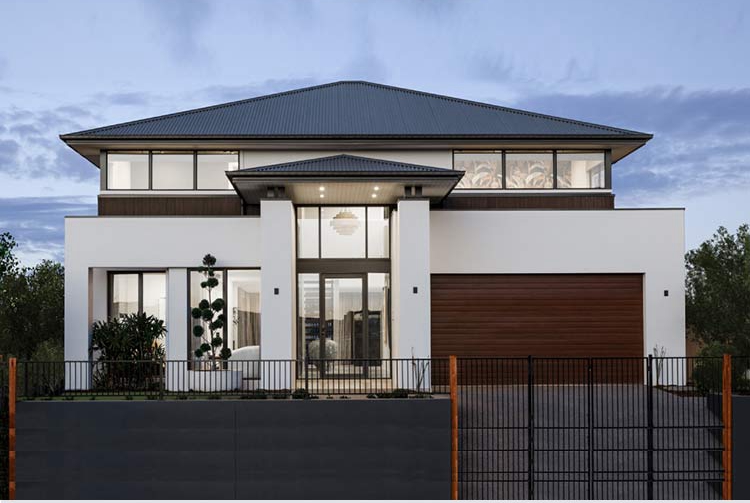
The selection of roof tiles for light steel villas should focus on three core principles: "adapting to the light steel structure, fitting the use scenario, and balancing durability and cost performance", and blind pursuit of appearance beauty or low cost should be eliminated. First, weight adaptation is the primary premise. The roof bearing capacity of light steel villas has clear limits, and the weight of roof tiles per square meter must be strictly controlled within 20kg to prevent steel structure deformation and roof damage caused by excessive load. Second, the selection should be based on local climate conditions. For areas with special climates such as heavy rain, strong wind, and high cold, products with excellent waterproof, wind-resistant, and weather-resistant properties should be preferred. Finally, it is necessary to balance service life and later operation and maintenance costs, give priority to products with good aging resistance and no frequent maintenance to reduce long-term use costs, and ensure that the appearance of roof tiles is consistent with the overall style of the building.
At present, the roof tiles suitable for light steel villas mainly include four categories: stone-coated metal roof tiles, ASA resin roof tiles, asphalt shingles, and clay roof tiles. Due to differences in materials and production processes, various products show significant differences in service life, applicable scenarios, and comprehensive performance. Combined with actual engineering application cases, the specific analysis is as follows.
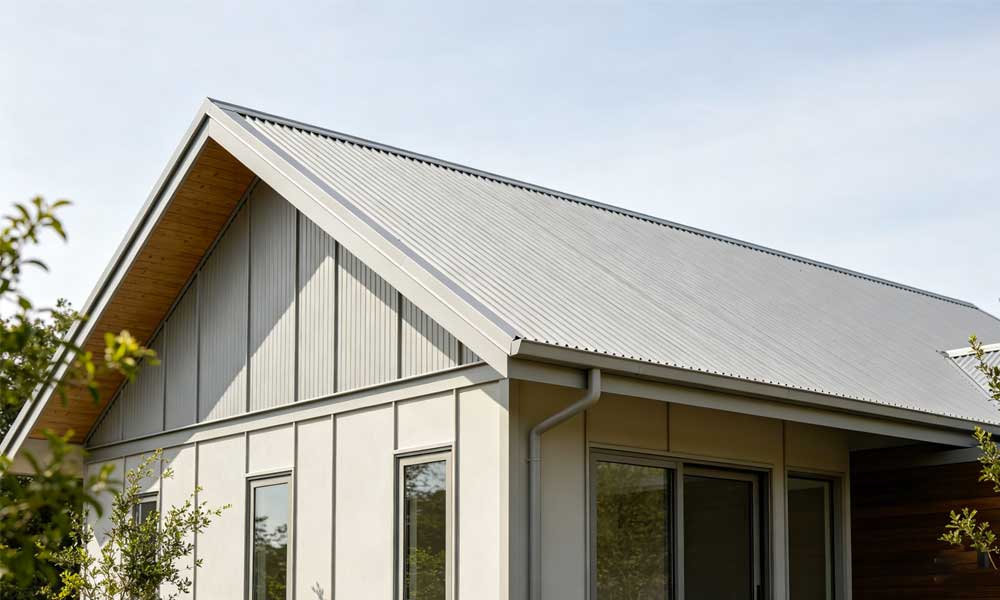
Stone-coated metal roof tiles are the preferred type for light steel villas. With aluminum-zinc coated steel sheet as the base material and high-temperature sintered colored sand on the surface, they have excellent corrosion resistance and discoloration resistance. Under standard installation and normal use conditions, their service life can reach 30-50 years, and high-quality products can have a longer service life with low later operation and maintenance costs. The weight of this type of roof tile is only 8-12kg/㎡, which can perfectly adapt to the lightweight structural needs of light steel villas. At the same time, it has good high-temperature and low-temperature resistance, can withstand temperatures above 70℃ and below -40℃, and has outstanding wind uplift resistance. It can adapt to harsh climate areas such as coastal, high-cold, and windy areas. With a strong three-dimensional appearance, it can adapt to various architectural styles and is widely used in various light steel villa projects such as rural self-built houses and high-end homestays.
ASA resin roof tiles have significant cost-performance advantages. With ASA resin as the surface layer and PVC as the bottom layer, they are relatively light (6-8kg/㎡) and can be well adapted to light steel structures. Under standard use conditions, their service life can reach 15-20 years. They have good waterproof and UV-resistant properties, rich color specifications, convenient installation, and simple later operation and maintenance processes. This type of roof tile has relatively weak high-temperature resistance and is prone to aging and embrittlement when exposed to strong sunlight for a long time. It is more suitable for arid areas with small temperature differences and owners with medium budgets who pay attention to appearance diversity.
Asphalt shingles have low cost, with glass fiber mat as the base material, covered with asphalt and mineral particles on the surface. They are only 4-6kg/㎡ in weight, convenient and efficient to install, and have a service life of 8-15 years under standard use conditions. This type of roof tile has poor weather resistance. In areas with large temperature differences, heavy rain, and snow, the aging speed will be significantly accelerated, and problems such as cracking, falling off, and discoloration are likely to occur, with high frequency of later operation and maintenance. It is mainly suitable for temporary light steel buildings used for a short time or engineering projects with limited budgets.
Clay roof tiles have a simple and elegant texture, made of natural clay fired at high temperature. They have excellent waterproof and fireproof performance, a service life of more than 20 years, and good sound insulation and heat insulation effects, which can adapt to light steel villas with traditional styles such as Chinese and European styles. This type of roof tile is relatively heavy (38-42kg/㎡), so the roof of the light steel villa needs to be reinforced when in use, with relatively high construction difficulty. In addition, the tile body is easy to absorb water and grow moss. It is more suitable for long-term residential light steel villa projects in dry northern areas with large temperature differences that pay attention to the texture of architectural style.
Roof Tile Type | Core Material | Service Life (Years) | Advantages for Light Steel Adaptation | Core Disadvantages | Applicable Scenarios |
Stone-coated Metal Roof Tiles | Aluminum-zinc Coated Steel Sheet + High-temperature Sintered Colored Sand | 30-50 | Light weight (8-12kg/㎡), strong weather resistance, excellent wind and waterproof performance, low maintenance cost | Slightly higher initial purchase cost, difficult to repair after colored sand damage | Rural self-built houses, high-end homestays, coastal/high-cold areas |
ASA Resin Roof Tiles | ASA Resin + PVC Bottom Layer | 15-20 | Light weight (6-8kg/㎡), rich colors, convenient installation, high cost performance | Weak high-temperature resistance, prone to aging and embrittlement after long-term exposure to sunlight | Arid areas with small temperature differences, medium-budget projects |
Asphalt Shingles | Glass Fiber Mat + Asphalt + Mineral Particles | 8-15 | Light weight (4-6kg/㎡), low cost, fast installation | Poor weather resistance, prone to aging and cracking, high maintenance frequency | Temporary light steel buildings, short-term projects with limited budgets |
Clay Roof Tiles | Natural Clay + High-temperature Firing | More than 20 | Excellent sound and heat insulation, strong style texture, good waterproof and fireproof performance | Heavy weight, need to reinforce the roof, easy to absorb water and grow moss | Dry northern areas, Chinese/European style villas |
Combined with the use scenario, budget standard and local climate conditions of light steel villas, the following targeted selection suggestions are given: for special climate areas such as heavy rain, strong wind, high cold and coastal areas, stone-coated metal roof tiles are preferred. Their excellent weather resistance, wind resistance and waterproof performance can effectively resist the impact of harsh climate and ensure the long-term stable operation of the roof system. For owners with medium budget who pay attention to appearance diversity and have mild local climate, ASA resin roof tiles can be selected to balance cost performance and appearance effect. For temporary use or engineering projects with tight budget, asphalt shingles can be selected to reduce the initial investment cost. For owners who pay attention to the texture of architectural style and can reinforce the roof, clay roof tiles can be selected to create a distinctive architectural appearance.
In addition, the actual service life of roof tiles is closely related to the construction technology. It is recommended to select a construction team with professional qualifications, carry out construction in strict accordance with industry standards and product installation requirements, do a good job in the base waterproof treatment and tile fixing work, and regularly inspect and maintain the roof tiles, which can effectively extend the service life of roof tiles and ensure the overall performance of the roof system.
In summary, the core of roof tile selection for light steel villas lies in "adaptability". It is necessary to combine the characteristics of light steel structure, local climate conditions and their own budget standards, and avoid the selection misunderstandings of "valuing appearance over practicality" and "valuing low price over quality". Relying on years of engineering practice experience, Hanliang Light Steel Villa can provide customized roof tile selection and construction schemes according to the actual needs of owners, helping owners select durable, adaptive and beautiful roof tile products, and balancing the practicality and durability of the building.
 Follow us