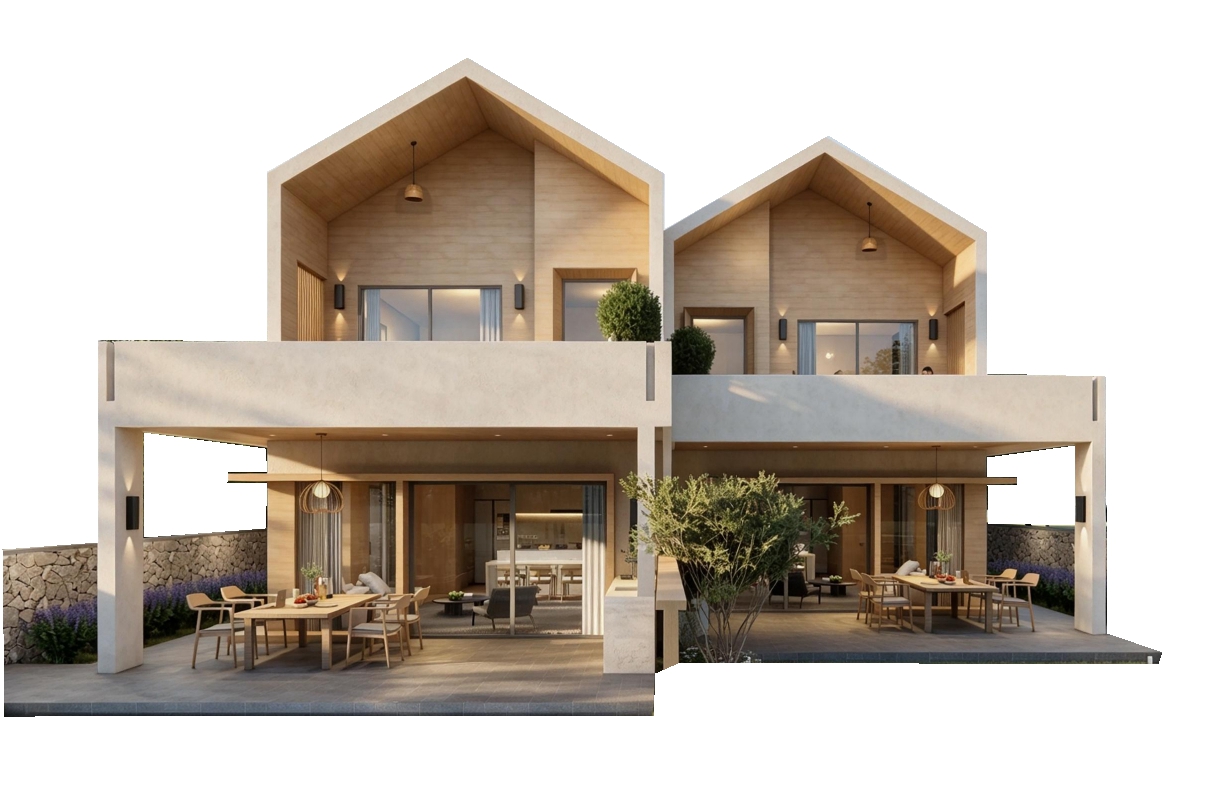
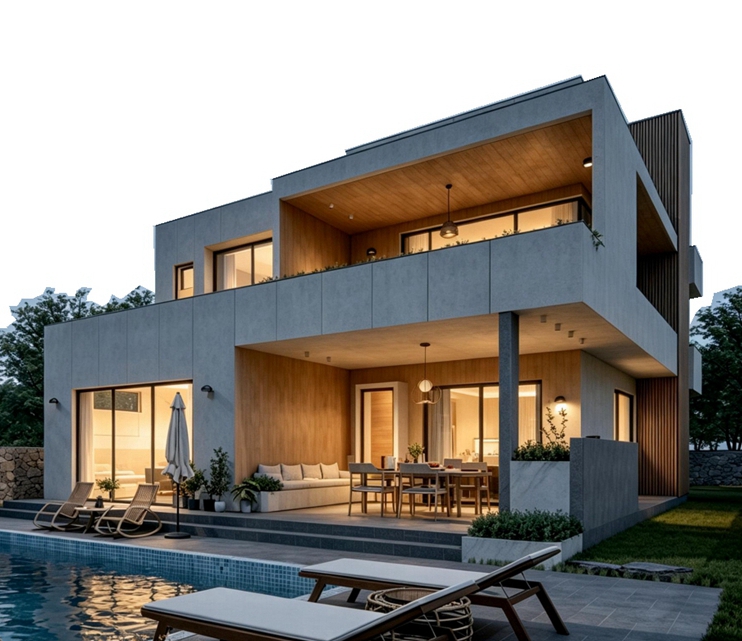
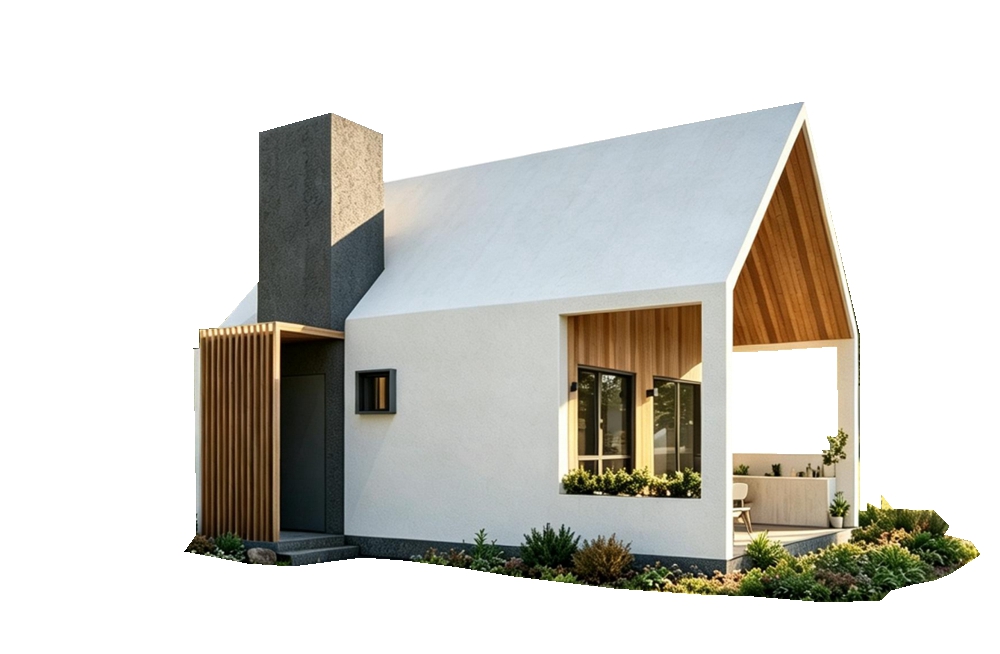
Against the backdrop of the continuous acceleration of global urbanization and the escalating demand for housing, light steel villas, with their unique product advantages, have become a key construction category for overseas investors to focus on. Compared with traditional brick-concrete buildings, light steel villas exhibit significant competitiveness in terms of construction efficiency, safety performance, compliance adaptability, and investment returns, accurately meeting the core investment demands of overseas investors for low risk, high return, and strong adaptability. Combining the current development status of the global construction market and the logic of overseas investment, this article objectively analyzes the core driving factors behind overseas investors' preference for light steel villas, abandons excessive marketing expressions, focuses on the industry essence and investment value, and provides professional reference for relevant practitioners.
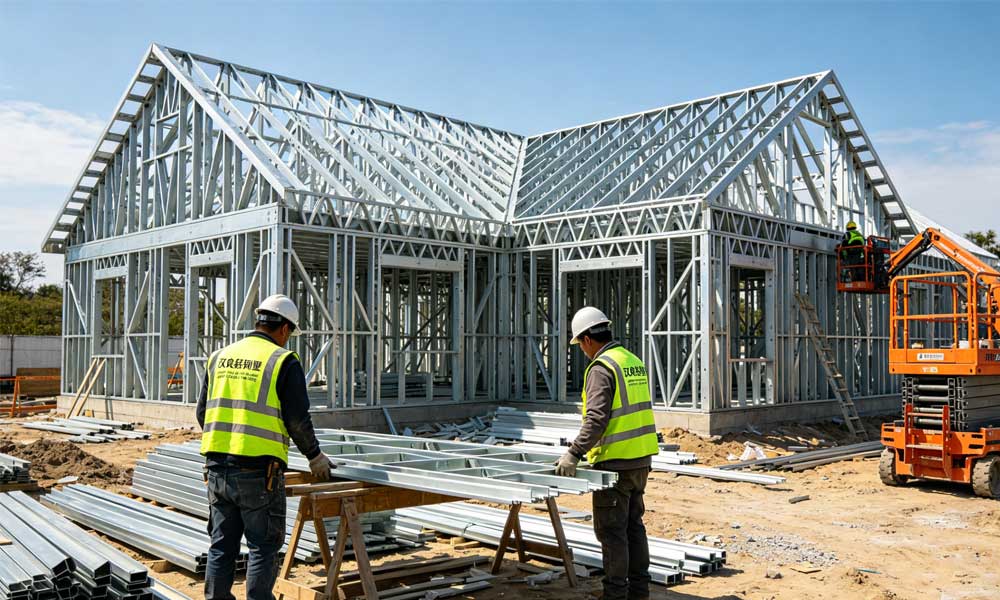
In overseas markets, especially in developed regions such as Europe, America, and Australia, labor costs remain high and the control of construction cycles is strict. The prefabricated and modular characteristics of light steel villas effectively address this core industry pain point. The main components of light steel villas are standardized and prefabricated in factories; after precision processing and multiple quality inspections, they are transported in batches to the project site for bolt connection and assembly, eliminating the need for complex on-site pouring processes and greatly simplifying the construction process.
Compared with the 6-12 month construction cycle of traditional brick-concrete buildings, the on-site assembly period of a standard light steel villa can be completed in only 1-2 months, with the construction efficiency increased by more than 50%, which significantly shortens the capital occupation cycle and improves the efficiency of investment recovery. At the same time, the prefabricated construction model does not require a large number of on-site operators, which can reduce on-site labor input by more than 60%, effectively avoiding the industry pain points of high overseas labor costs and labor shortages, further reducing the total investment cost, which is one of the core considerations for overseas investors to prioritize light steel villas.
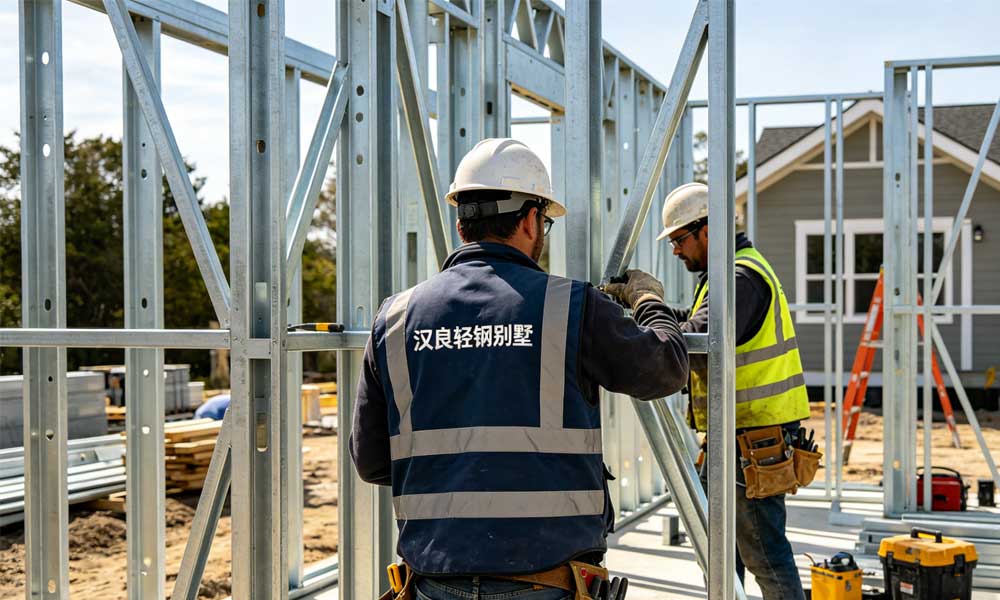
Many overseas regions are faced with complex regional environments such as typhoons, earthquakes, high temperatures, and high humidity. The safety and durability of buildings directly determine the long-term value of investment, and the structural characteristics of light steel villas can effectively adapt to various harsh regional environments. Light steel villas adopt high-strength hot-dip galvanized light steel keels as the main structure, which have the technical advantages of light weight, high strength, and excellent toughness, capable of withstanding typhoons of level 12 and above and earthquakes of magnitude 8 and above. They are suitable for typhoon-prone areas such as Southeast Asia and the Caribbean, as well as earthquake-active zones such as Chile and Japan, effectively reducing investment risks caused by natural disasters.
At the same time, the light steel components are treated with hot-dip galvanizing for corrosion resistance, which can effectively resist moisture, corrosion, and termite damage, making them suitable for high-temperature and high-humidity areas such as tropical and coastal regions, with a service life of more than 50 years, significantly reducing the later maintenance costs. In addition, light steel villas have excellent thermal insulation, sound insulation, and fire resistance performance; by adjusting the specifications of thermal insulation materials, they can accurately adapt to different climate regions, which not only ensures living comfort but also further enhances the long-term value preservation ability of the buildings, aligning with the long-term holding and asset appreciation needs of overseas investors.
Most overseas countries have formulated strict standards and certification systems for construction products, and compliance is the core prerequisite for overseas construction investment. The product characteristics of light steel villas enable them to quickly adapt to the market norms of different countries. The core components adopted by light steel villas, such as steel and thermal insulation materials, can obtain international authoritative certifications such as ICC, CE, and SABS, which can meet the building safety and environmental protection standards of different regions such as Europe, America, Africa, and Southeast Asia. They can be put on the market in compliance without large-scale modifications, reducing investment compliance risks.
In addition, the global trend of green building is becoming increasingly prominent, and the environmental protection attributes of light steel villas are highly consistent with the core needs of overseas markets. Light steel materials can be 100% recycled and reused, and the construction process adopts a dry operation mode, generating no dust, noise, or construction waste, which complies with the environmental protection policies and norms of regions such as Europe and Australia. At the same time, the energy-saving design of light steel villas can reduce indoor energy consumption by 30%-50%, aligning with the global low-carbon development concept, which not only reduces later operation costs but also significantly improves the core competitiveness of the products in the overseas market, gaining more policy support and market recognition.
Overseas investors focus on the stability and return rate of investment. The diversified adaptability of light steel villas enables multi-scenario profitability, further enhancing investment value. Light steel villas can be flexibly adapted to various application scenarios such as private residences, cultural and tourism homestays, construction site camps, and emergency resettlement. They can be used for sale to obtain one-time income or for rental to obtain long-term and stable cash flow, adapting to the differentiated investment strategies of different overseas investors.
Compared with traditional brick-concrete buildings, the cost of light steel villas is more controllable, and the later maintenance costs are low, with an investment return rate generally 10-15 percentage points higher. At the same time, light steel villas have a high degree of customization; they can flexibly adjust the house type, configuration, and appearance design according to the living habits and market needs of different overseas regions, adapting to different market segments such as high-end residences and affordable housing. This further expands investment channels, reduces investment risks in a single scenario, and makes light steel villas the preferred category for overseas investors to achieve asset appreciation.
In summary, overseas investors' preference for light steel villas is essentially due to their core advantages in construction efficiency, safety performance, compliance adaptability, and investment returns, which accurately meet the core needs of overseas investment for low risk, high return, and strong adaptability. With the continuous advancement of the global green building and modular building trends, the overseas investment value of light steel villas will be further highlighted, and they are expected to become a core growth point in the overseas construction investment market.
 Follow us