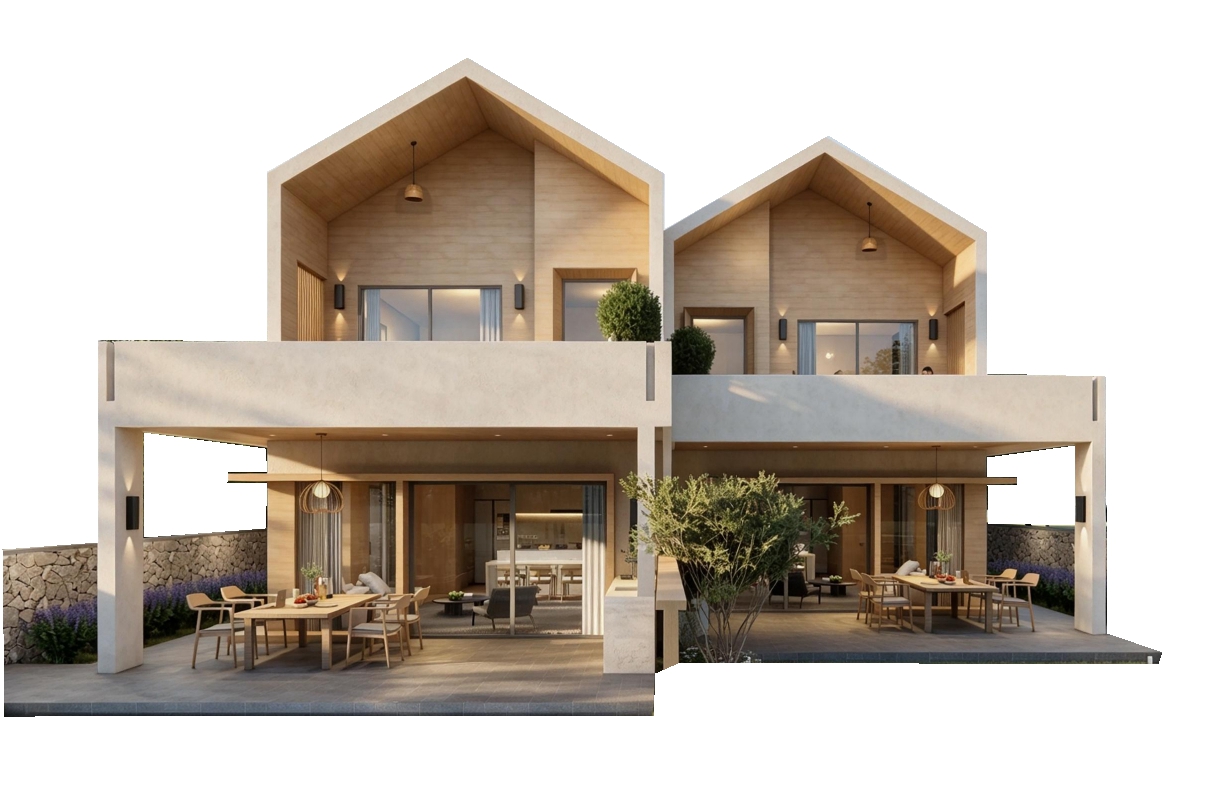
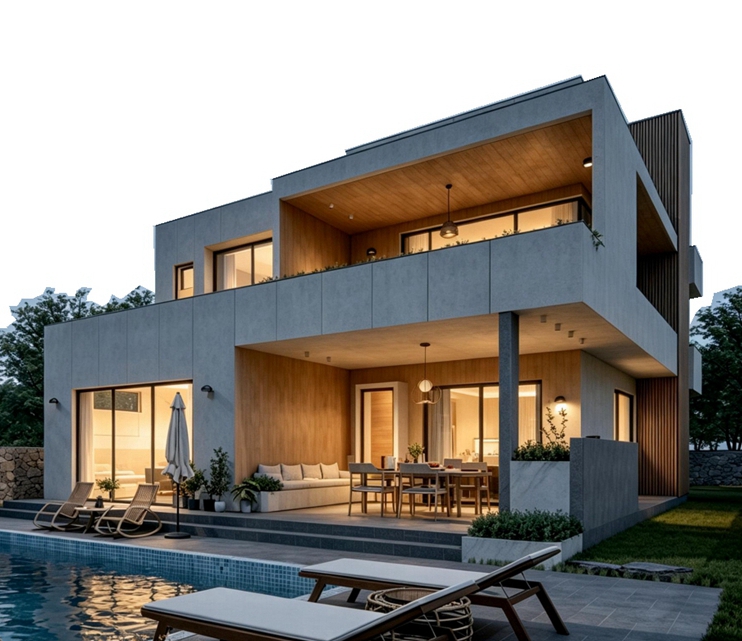
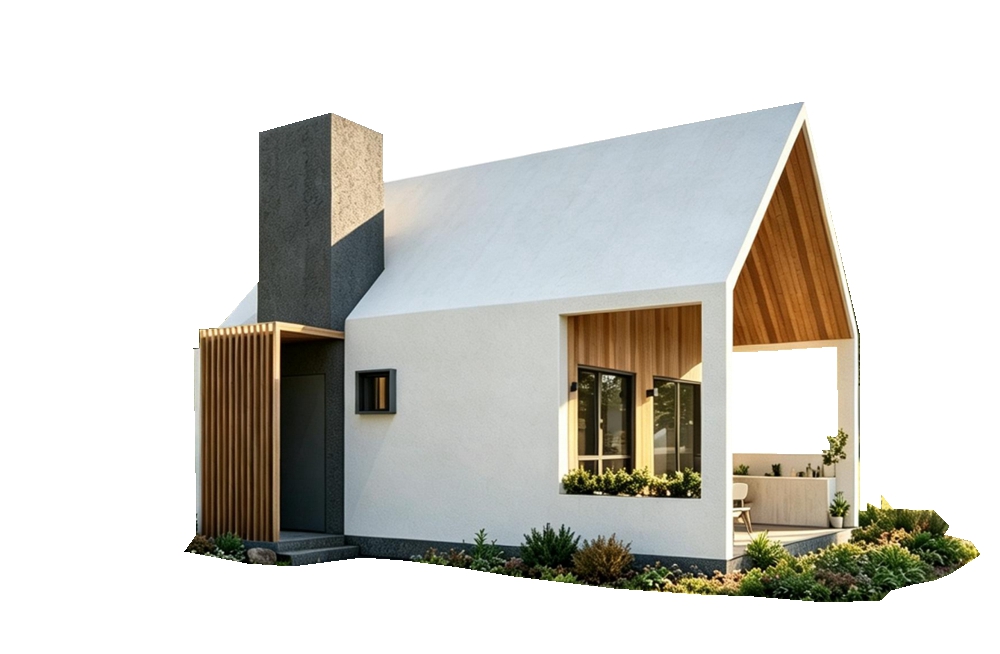
The Philippines, a tropical country frequently impacted by typhoons and characterized by distinct regional residential needs, has witnessed a growing demand for residential buildings that are safe, durable, and cost-efficient. Light steel structures, renowned for their superior wind resistance, rapid construction efficiency, and environmental sustainability, have gradually emerged as a preferred solution for residential communities in the region. This article takes a completed light steel villa community project by Hanliang in the Philippines as a case study, elaborating on the project’s design philosophy, construction highlights, and localized adaptation strategies, thereby offering practical insights and references for similar light steel villa community projects in tropical regions.
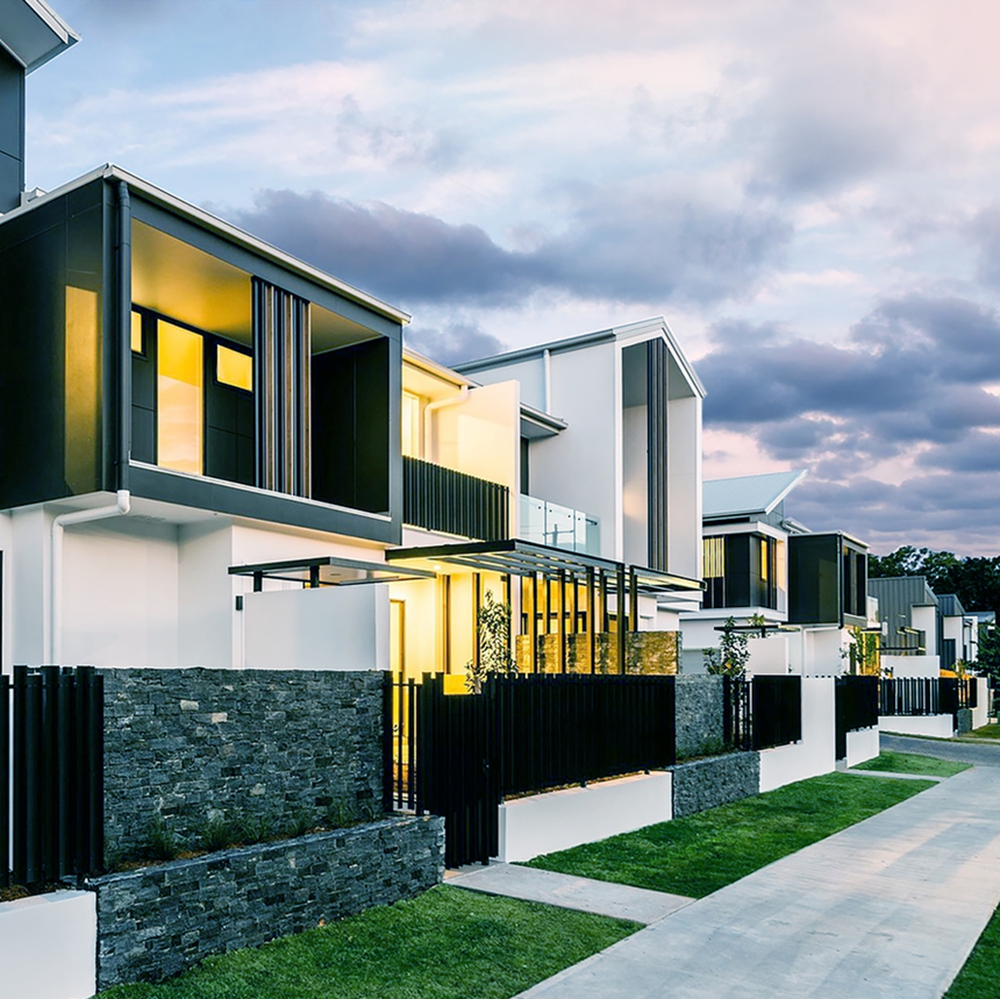
The project is situated in a suburban area adjacent to Manila, the capital of the Philippines, covering a total area of approximately 15,000 square meters. Comprising 86 light steel villas, the project is divided into three unit types to accommodate the residential needs of local families of varying sizes: 2-bedroom small units (approximately 75 square meters), 3-bedroom medium units (approximately 90 square meters), and 4-bedroom large units (approximately 110 square meters). The community is equipped with essential supporting facilities, including green belts, pedestrian walkways, and public activity areas, designed to create a comfortable and livable residential environment for local inhabitants.
Integrating local climate characteristics and residential habits, the project adheres to the design philosophy of "adaptability, safety, and sustainability". It fully considers the Philippines’ frequent typhoons, high temperatures, and high humidity, optimizing the structure and material selection of light steel villas to ensure long-term stability and livability of the project. As a practical exploration of light steel structures in Philippine residential communities, the project has achieved a sound balance between functionality and adaptability.
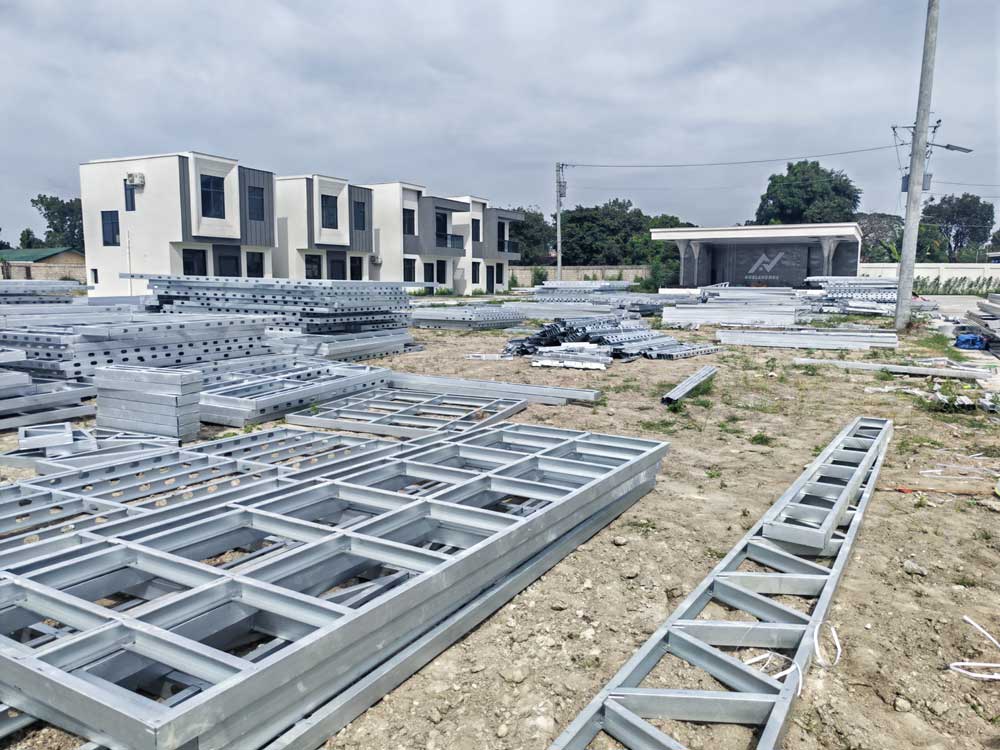
The tropical climate of the Philippines, marked by high temperatures, high humidity, and frequent typhoons, imposes stringent requirements on the design of residential buildings. The project employs targeted design strategies to ensure that the light steel villas can adapt to local environmental conditions and comply with local disaster prevention standards.
In terms of wind resistance design, the light steel frame of the villas adopts Q235B square tube beams and columns, combined with galvanized C-shaped purlins, and the overall structure is fully equipped with cross bracing to enhance structural stability. The design meets the local 12-level typhoon resistance standard, enabling it to effectively withstand the impact of strong winds and minimize the risk of structural damage during typhoon seasons. The roof adopts a gable structure, utilizing asphalt shingles and OSB panels, which not only ensures waterproof performance but also reduces wind resistance, thereby preventing roof damage caused by strong winds.
To address the high-temperature and high-humidity environment, the project optimizes thermal insulation and moisture-proof design. The walls are filled with 100mm-thick glass wool insulation materials, and the exterior walls adopt metal embossed panels with excellent thermal insulation performance, which can effectively block solar radiation and reduce indoor heat gain. Meanwhile, the villas are equipped with adjustable ventilation louvers and large-area windows to facilitate natural ventilation, reducing reliance on mechanical cooling systems and improving indoor comfort while achieving energy conservation. A vapor barrier is installed within the wall structure to prevent moisture accumulation and mitigate mold growth caused by high humidity.
The project adopts prefabricated modular construction technology, which significantly enhances construction efficiency and ensures construction quality. All light steel components are prefabricated in the factory in accordance with standardized designs, then transported to the project site via container shipping for bolted assembly, which significantly reduces on-site construction duration and construction waste. The entire community project was completed within 8 months, representing a 40% reduction in construction time compared to traditional concrete residential projects of the same scale.
In terms of quality control, the project strictly complies with international light steel construction standards and local building codes. Each prefabricated component undergoes rigorous quality inspection prior to factory delivery, and the on-site assembly process is supervised by professional technicians to ensure the accuracy of component connections and structural stability. All materials used in the project, including light steel keels, insulation materials, and exterior wall panels, have passed relevant certifications in the Philippines, ensuring environmental friendliness and durability while complying with local "non-asbestos" policy requirements.
Q1: How does the light steel villa community project adapt to the frequent typhoon weather in the Philippines?
A1: The project adopts a reinforced light steel frame structure with cross-bracing design, which complies with the local 12-level typhoon resistance standard. The roof employs a gable structure with lightweight, wind-resistant materials, and the exterior walls are tightly connected to prevent wind-induced damage. Additionally, the overall building orientation is optimized to reduce direct wind impact, further enhancing the typhoon resistance of the villas.
Q2: What measures are taken to address the challenge of high temperature and high humidity in the Philippines?
A2: The project utilizes high-density glass wool insulation materials in the walls and roof to block heat transfer. The exterior walls adopt heat-insulating metal panels, and the interior is equipped with natural ventilation systems such as adjustable louvers and large windows to promote air circulation. A vapor barrier is also installed to prevent moisture accumulation, ensuring indoor comfort and preventing mold growth.
Q3: What are the key advantages of prefabricated modular construction in this project?
A3: Prefabricated modular construction reduces on-site construction time and waste, with the project completed 40% faster than traditional construction projects. Prefabricated components are produced in the factory under standardized quality control, ensuring the accuracy and stability of the building structure. Furthermore, this construction method is more environmentally friendly, generating less on-site noise and dust, making it suitable for residential community construction.
This light steel villa community project in the Philippines fully integrates local climate characteristics, residential needs, and disaster prevention requirements, realizing the effective application of light steel structures in tropical residential communities. It not only provides local residents with safe, comfortable, and cost-efficient residential spaces but also offers valuable experience for the promotion and application of light steel villa communities in similar tropical regions.
 Follow us