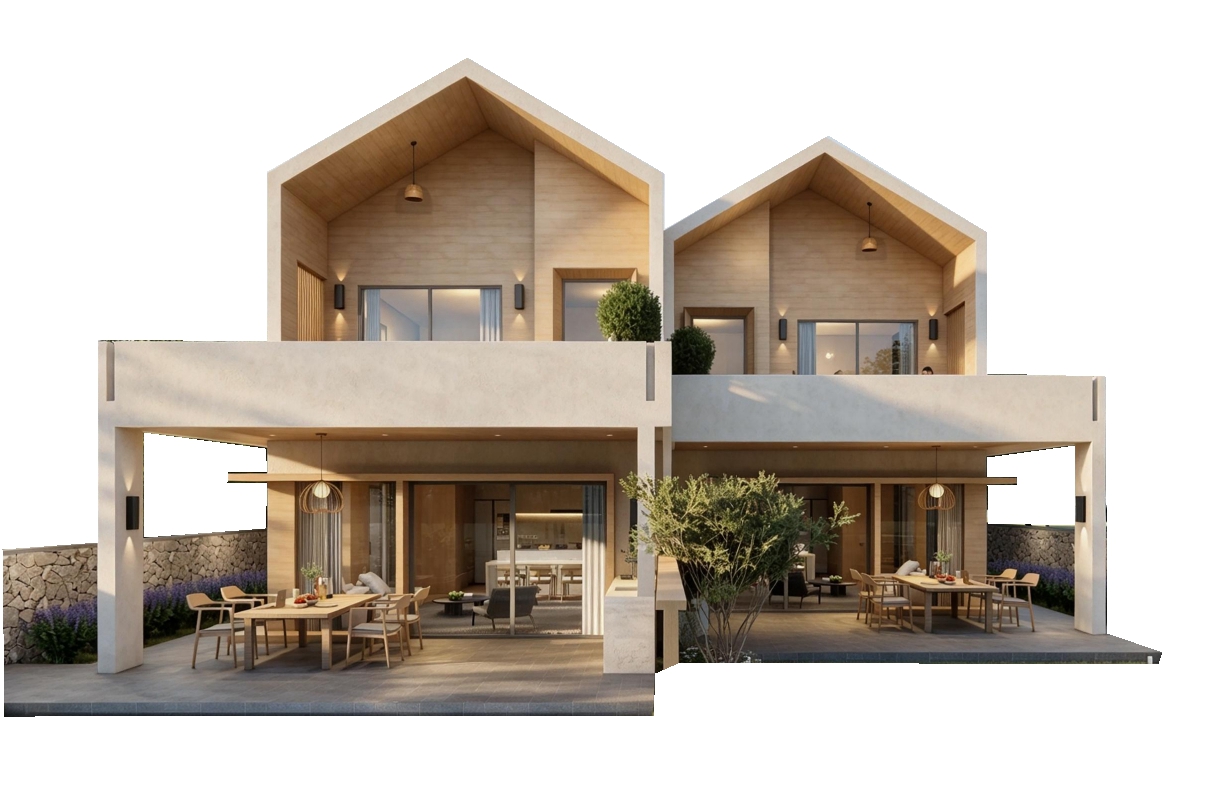
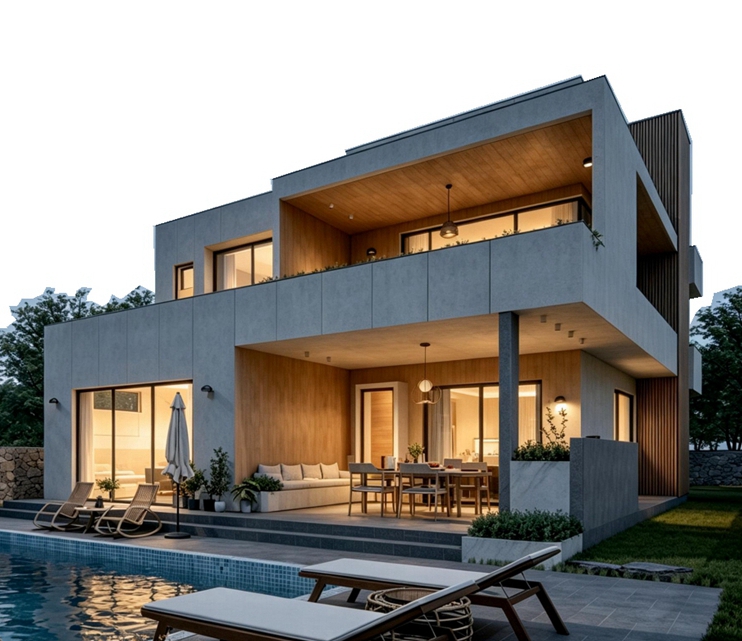
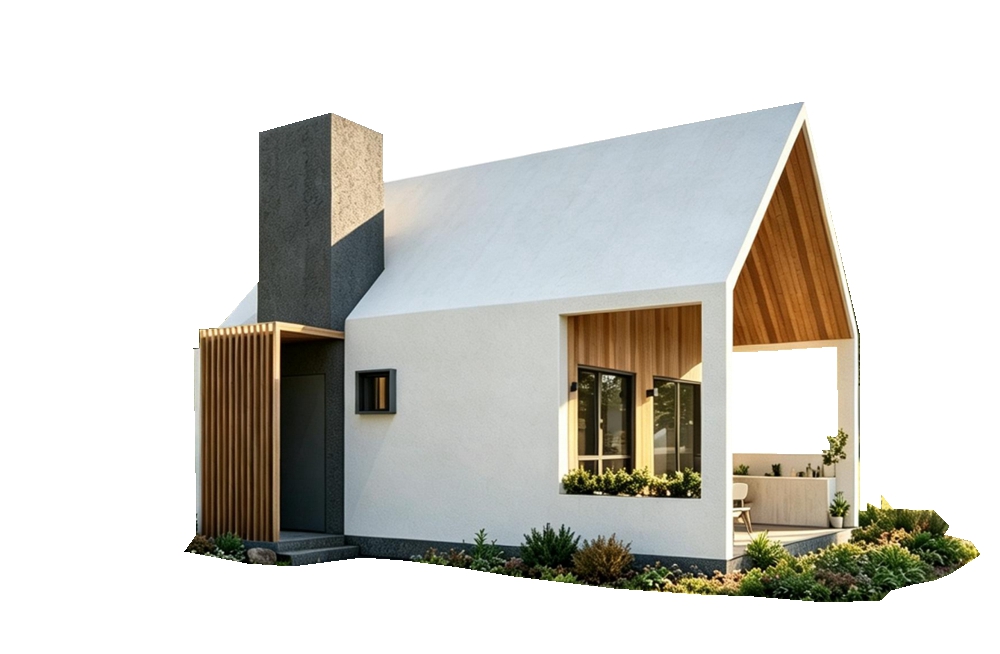
With the rapid advancement of the prefabricated construction industry, light steel villas have been extensively applied in residential, cultural tourism, and rural construction fields, leveraging their advantages of rapid construction, light weight, strong earthquake resistance, and environmental friendliness. However, widespread misunderstandings regarding the fire rating of light steel villas persist in the market, particularly in the selection of wall filling materials. Many consumers and project entities misinterpret fire resistance ratings, blindly prioritizing thermal insulation performance while neglecting fire safety, which poses potential hazards for the long-term operational safety of buildings.
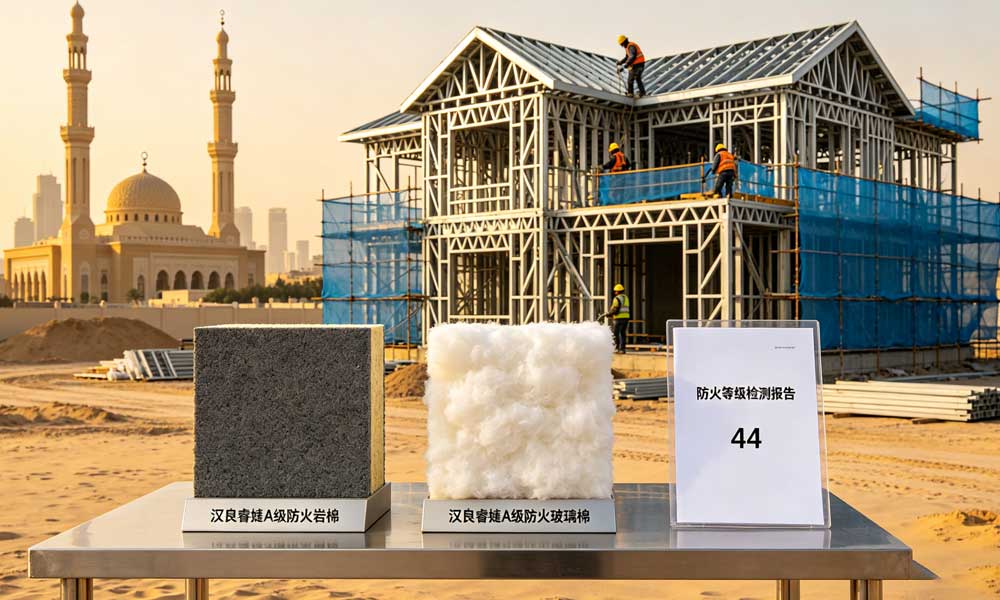
Drawing on years of expertise in light steel building technology and in-depth research on fire safety standards, Hanliang Ruijie sorts out common misunderstandings related to the fire rating of light steel villas, interprets the fire performance of different wall filling materials, and provides guidance for scientific and rational material selection to ensure the fire safety of light steel villas.
The first prevalent misunderstanding is the notion that "the superior the thermal insulation performance of wall filling materials, the better, and fire rating can be disregarded". When selecting wall filling materials for light steel villas, many individuals focus solely on material thermal conductivity, and even opt for flammable materials such as conventional polyurethane foam to achieve better thermal insulation effects. In reality, light steel itself is non-combustible, but it exhibits high thermal conductivity. In the event of a fire, temperatures rise rapidly, and the strength of steel components degrades sharply under high temperatures, which may result in structural collapse. As the core component of the fire insulation system, wall filling materials directly determine the rate of fire spread and the fire resistance limit of the building, making their fire rating an indispensable consideration.
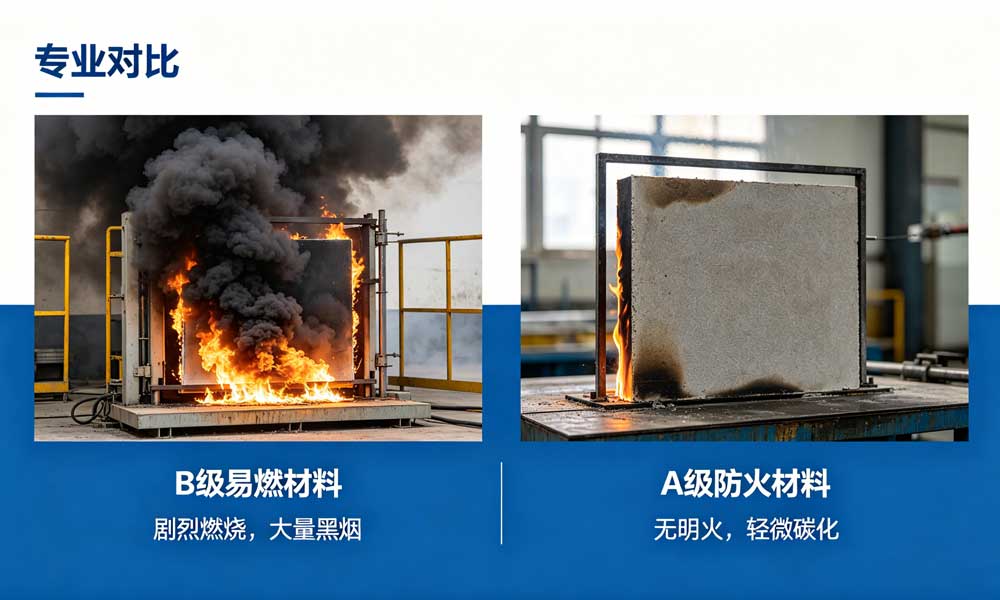
Another common misunderstanding is that "all inorganic filling materials are Class A non-combustible". Some consumers erroneously assume that the selection of inorganic materials alone can meet the highest fire rating requirements. In fact, significant differences exist in the fire ratings of inorganic materials. For instance, inferior glass wool features uneven fiber distribution and inadequate density, failing to meet Class A fire resistance standards; even rock wool, if not treated with professional waterproof and anti-corrosion technologies, will absorb moisture, thereby compromising its fire resistance. Additionally, some manufacturers falsely label the fire resistance ratings of materials, further complicating the process for consumers to distinguish the true fire performance of products.
The third misunderstanding is the belief that "the fire rating of the entire building is equivalent to that of a single filling material". The fire rating of light steel villas is a comprehensive assessment of the entire system, encompassing the fire performance of steel components, wall filling materials, external wall panels, roof materials, and other components, as well as the rationality of the building structure’s fire protection design. It is inaccurate to judge the fire rating of the entire building solely based on the fire rating of a single wall filling material. Even if high-grade fire-resistant filling materials are adopted, improper sealing of component connections or unreasonable fire partition design will significantly diminish the overall fire performance of the building.
The selection of appropriate wall filling materials requires a clear understanding of the fire performance and applicable scenarios of common materials. As a Class A non-combustible material, rock wool exhibits superior fire resistance. It can withstand high temperatures exceeding 1000℃, does not burn or emit toxic fumes when exposed to fire, and effectively blocks fire spread, making it the preferred material for light steel villa wall filling. With a thermal conductivity ranging from 0.038 to 0.040 W/(m·K), it also meets the basic thermal insulation requirements of buildings while ensuring fire safety.
Glass wool is also a Class A non-combustible material, boasting the advantages of light weight, easy construction, and cost-effectiveness. Its fire resistance is marginally lower than that of rock wool, but it still meets the fire safety requirements of most light steel villas. It is important to note that when using glass wool, products with qualified density and fiber quality should be selected, and proper sealing measures should be implemented to prevent fiber scattering, which could affect fire resistance and environmental protection. In contrast to rock wool and glass wool, EPS and PUR materials offer superior thermal insulation performance, but their fire ratings are mostly Class B1 or B2. Among these, PUR exhibits poor chemical stability and thermodynamic control when exposed to fire, with a much higher fire growth rate and total heat release than EPS, making it prone to accelerating fire spread.
It is important to note that the fire performance of wall filling materials is not only related to the materials themselves but also influenced by construction processes. For example, gaps between filling materials and steel keels, as well as connections between wall panels, if not sealed with professional fire-resistant sealant, will form fire paths, significantly diminishing the fire resistance of the entire wall system. Therefore, while selecting high-quality fire-resistant materials, it is equally important to ensure the standardization of construction processes.
Based on the fire safety requirements of light steel villas and the characteristics of different wall filling materials, Hanliang Ruijie provides targeted selection guidelines to help consumers avoid misunderstandings and ensure building fire safety. Firstly, it is essential to clarify the project’s fire rating requirements. In accordance with national and local building fire safety codes, and combined with the building’s intended use, the required fire rating should be determined, and materials meeting the corresponding standards should be selected, rather than blindly pursuing superior thermal insulation or low costs.
Secondly, priority should be given to Class A non-combustible materials such as rock wool and high-quality glass wool. For projects with high fire safety requirements, such as public buildings and high-rise light steel villas, rock wool with excellent fire resistance should be prioritized; for residential light steel villas with general fire safety requirements, glass wool can be selected on the premise of ensuring product quality. The utilization of flammable materials such as conventional polyurethane foam that fail to meet fire rating requirements is strictly prohibited.
Finally, it is crucial to select reputable manufacturers and qualified products, and request relevant test reports and certification documents to ensure the authenticity and reliability of the materials’ fire ratings. Meanwhile, collaboration with professional construction teams is necessary to ensure that material filling and installation comply with specifications, and proper sealing and fire-resistant treatment of key components should be implemented to fully exert the fire resistance of the materials and ensure the overall fire safety of the light steel villa.
Q1: Is there a direct positive correlation between the thermal insulation performance and fire rating of wall filling materials for light steel villas?
A1: No direct positive correlation exists. Certain materials with superior thermal insulation performance (such as conventional PUR) have low fire ratings and are flammable, failing to ensure fire safety; in contrast, Class A non-combustible materials such as rock wool and glass wool can balance thermal insulation and fire safety. Material selection should prioritize meeting fire rating requirements, followed by consideration of thermal insulation performance based on actual needs.
Q2: How can one verify the authenticity and reliability of the selected wall filling material’s fire rating?
A2: Firstly, request the manufacturer to provide official test reports and fire rating certification documents issued by authoritative institutions, which clearly specify the fire rating and relevant performance indicators of the material; secondly, examine the product qualification certificate and batch inspection report to ensure consistency between the product and test standards; additionally, commission a third-party institution to conduct re-testing if necessary.
Q3: Can the fire rating of light steel villas be improved solely by replacing high-grade fire-resistant wall filling materials?
A3: No. The fire rating of light steel villas is a comprehensive assessment of the entire system. In addition to selecting high-grade fire-resistant wall filling materials, it is necessary to ensure the fire performance of steel components, external wall panels, and other related components, optimize the building’s fire compartment design, and implement proper fire-resistant treatment for component connections. Only through the comprehensive improvement of the entire system can the fire rating of the building be effectively enhanced.
The fire safety of light steel villas is closely related to the life and property safety of occupants, and the correct selection of wall filling materials is a critical link in ensuring fire safety. Hanliang Ruijie has been dedicated to the R&D and application of light steel building fire safety technology, adhering to the principle of "safety first, quality foremost", and providing professional technical guidance and high-quality products for consumers and project entities. It is hoped that this article will help clarify misunderstandings regarding the fire rating of light steel villas, assist in the selection of appropriate wall filling materials, and facilitate the construction of safe, reliable, and energy-efficient light steel villas.
 Follow us