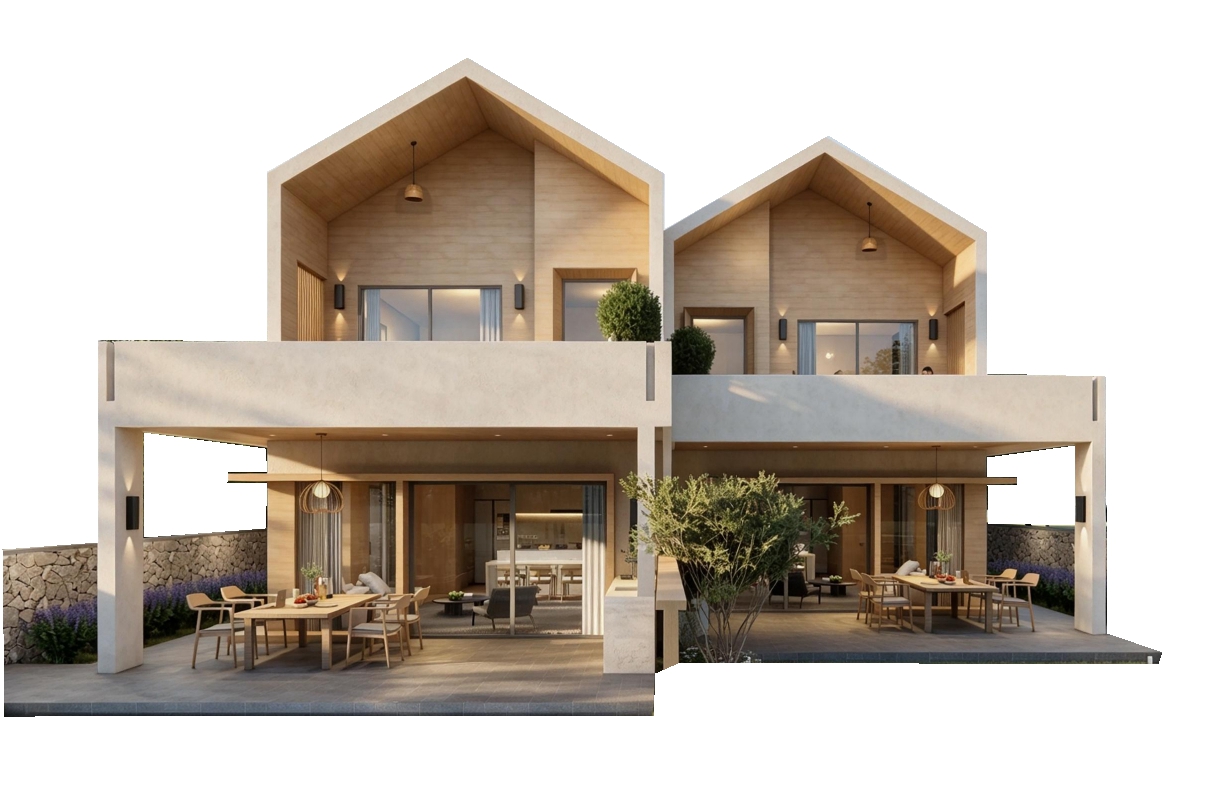
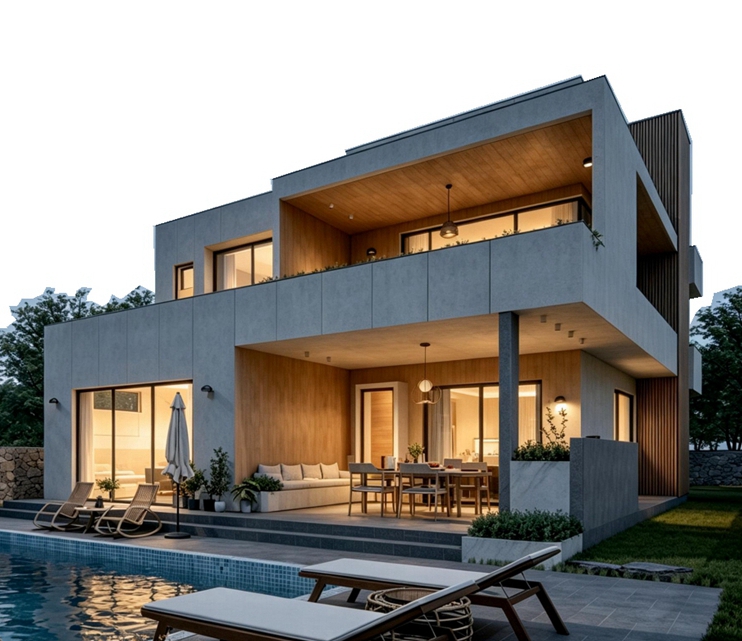
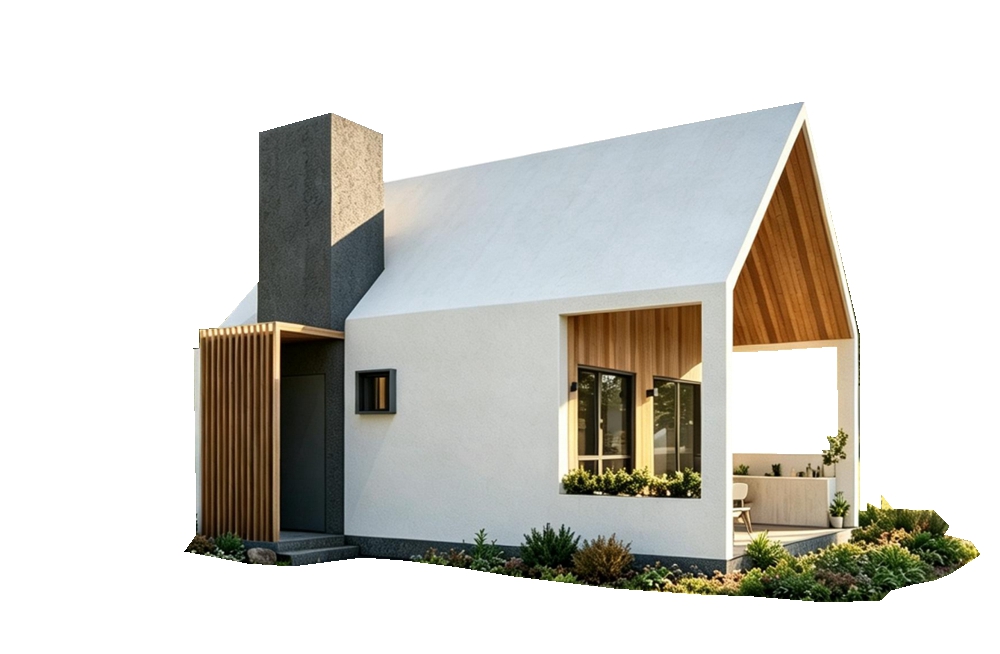
Many people have a common misunderstanding about light steel houses: they assume steel is prone to rust, so these houses can only last a decade at most and aren’t suitable for long-term use. But in reality, Hanliang Ruijie’s light steel houses can easily achieve a service life of over a century, thanks to its mature and reliable core anti-corrosion technology. Even in harsh environments—such as coastal areas with high salt content, humid southern regions, or frigid northern climates—they can maintain structural stability. This isn’t an empty promise; it’s been verified by more than 2,000 overseas projects worldwide. Today, we’ll use plain, straightforward language, combined with Hanliang Ruijie’s actual production processes and real project cases, to break down the core secrets of its corrosion resistance technology—covering keel treatment, coating protection, and detail control—so you can clearly understand why these houses are so durable.
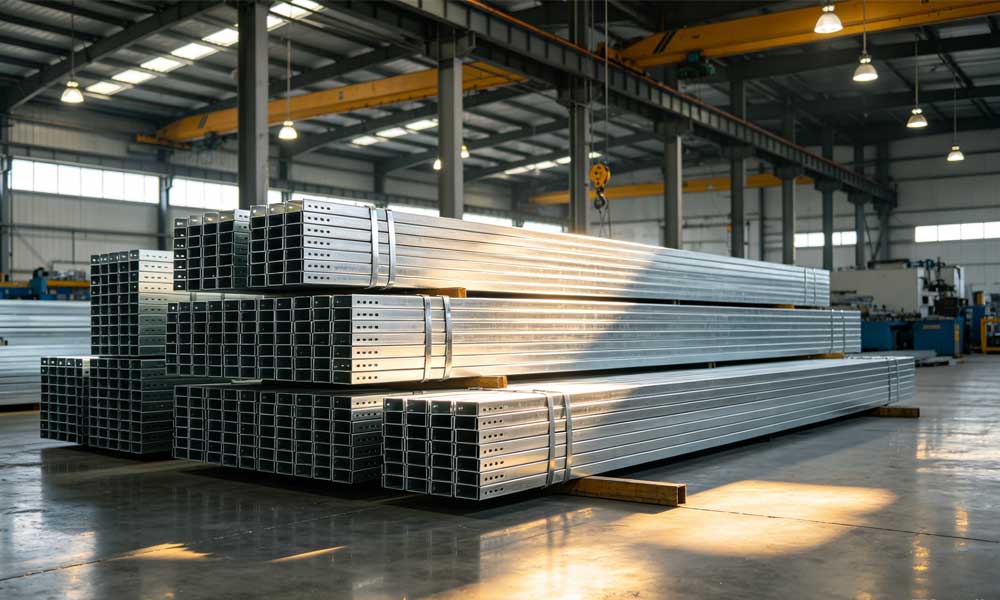
The "backbone" of any light steel house is its light steel keel, and its corrosion resistance directly determines the overall service life of the building. Unlike many manufacturers that only use simple anti-rust treatments, Hanliang Ruijie takes it a step further: all keels are made of G550 high-strength steel, paired with a dual anti-corrosion process that eliminates rust from the source. The two core treatments—hot-dip galvanizing and aluminized zinc—far exceed basic industry standards.
Hanliang Ruijie’s hot-dip galvanizing process follows strict parameter controls: the zinc liquid temperature is stably maintained between 438~445℃, and the galvanizing time is precisely set to 10~20 seconds. A small amount of aluminum is added to the zinc liquid to reduce oxidation and enhance the bonding force between the zinc coating and the keel. After treatment, the zinc coating thickness reaches more than 275g/㎡—far higher than the national standard of 120g/㎡. This dense zinc layer acts like a "protective armor" for the keel, completely isolating air and moisture from the steel. For the aluminized zinc steel plates, they’re made of 55% aluminum, 43.4% zinc, and 1.6% other additives, cured at 600℃ to form a unique quaternary crystal structure. Even if there are small cuts or scratches on the keel, the corrosion won’t spread—giving Hanliang Ruijie the confidence to promise a long service life.
If the keel is the "internal backbone" of anti-corrosion, then coating and sealing are the "external protection" that locks in durability. Hanliang Ruijie uses a three-layer coating system—primer, intermediate paint, and topcoat—to form a comprehensive protective layer that resists harsh weather and rust.
The primer is a high-zinc cold galvanizing paint with a dry film zinc content of over 96%, providing both cathodic protection and barrier protection to prevent rust from taking hold. The intermediate paint is epoxy micaceous iron oxide, which fills tiny gaps on the keel surface and strengthens the adhesion of the entire coating. The topcoat is a fluorocarbon paint with excellent weather resistance—it won’t fade or peel even when exposed to strong sunlight, heavy rain, or extreme temperatures for a long time. In addition, key gaps (such as door and window joints, wall connections) are sealed with EPDM sealant, paired with a waterproof and breathable membrane. This not only ensures tight sealing but also allows indoor moisture to escape, avoiding condensation that could lead to steel rust. This dual protection system has been fully tested in European export projects and proven to be effective.
Hanliang Ruijie’s light steel houses aren’t a "one-size-fits-all" product. Recognizing that different regions have unique environmental challenges, the company has developed customized anti-corrosion solutions for various climates—ensuring durability no matter where the houses are used.
For coastal areas with high salt content in the air, Hanliang Ruijie upgrades the aluminized zinc layer of the keel to AZ150 or higher, adding a sealing paint to the coating system to block salt fog erosion. In humid southern regions, the company optimizes the sealing process, adds an extra moisture-proof layer, and uses mildew-resistant and anti-corrosion paint to prevent wall mildew and steel rust. In frigid northern regions, the topcoat is replaced with low-temperature resistant polyurethane paint, which won’t crack or peel even in extremely cold weather. For example, when the company supplied light steel houses to Germany, it optimized the node design and anti-corrosion process to adapt to the cold winters, perfectly meeting the strict EU building standards. In Southeast Asia’s hot and humid climate, its customized ventilation and moisture-proof solutions have kept the houses free from rust and deformation for years.
Many rust problems in light steel houses don’t come from flawed core technology, but from overlooked details. Hanliang Ruijie has established a strict quality control system to eliminate these hidden hazards at every step—from production to construction and maintenance.
In the production process, the company uses precision equipment such as German Trumpf laser cutting machines, ensuring the cutting and punching accuracy of keels reaches ±0.5 mm. Any cut edges are immediately repaired with cold galvanizing to prevent rust from starting at these weak points. In the construction phase, all connecting parts—such as bolts and self-tapping screws—are made of 304 stainless steel or hot-dip galvanized materials, with a coating thickness of no less than 55μm to avoid rust affecting the overall structure. For post-operation maintenance, Hanliang Ruijie provides professional guidance: a simple annual inspection and touch-up of the coating is enough to keep the house in good condition, without the need for expensive maintenance.
Hanliang Ruijie’s century-long service life for light steel houses isn’t an accident—it’s the result of rigorous technology, careful detail control, and a deep understanding of global environmental needs. By combining dual anti-corrosion processes, double protective barriers, regional customized solutions, and strict detail management, the company has broken the stereotype that light steel houses are "short-lived". This article, with its practical details and real cases, aims to help you fully understand the durability advantages of Hanliang Ruijie’s light steel houses—providing a reliable reference for anyone interested in long-lasting, low-maintenance building solutions.
 Follow us