Africa is stepping into the fast lane of new urbanization, where the construction industry is facing unprecedented growth opportunities and the contradiction between housing supply and demand is becoming increasingly prominent. At the same time, the global concept of green and low-carbon development has penetrated deeply, and many African countries have successively introduced relevant policies to promote the transformation of the construction industry towards greenization and energy conservation. Against this industrial background, Hanliang Ruijie's integrated combination scheme of light steel villas and photovoltaic energy storage has become the preferred cooperation scheme for African developers to layout the green construction market, relying on its in-depth adaptation to the African market, significant comprehensive cost advantages and mature technical empowerment.
At present, the African construction and development market is facing prominent difficulties, not only facing a huge gap in rigid housing demand, but also bearing the urgent pressure of the transformation of development mode. Relevant industry data show that the current housing gap in Africa has exceeded 30 million units, among which the gaps in Nigeria, Kenya, Ghana and other countries are particularly obvious. The overall urbanization rate in Africa is only 43%, and the urban population will continue to surge in the next few decades, so the demand for the construction market will remain strong for a long time. However, the traditional brick-concrete construction mode has many drawbacks, including low construction efficiency, serious material loss and high construction costs. Moreover, due to the imperfect power grid infrastructure in Africa, the power supply stability in remote development areas is extremely poor. The traditional diesel power generation mode not only has high operation and maintenance costs, but also produces serious noise and environmental pollution, which is difficult to meet the modern living experience and the green requirements of development projects. In addition, Egypt, South Africa, Tanzania and other countries have successively introduced green building incentive policies, forcing new projects to integrate energy-saving technologies and renewable energy applications. Green transformation has become the core key for African developers to break through competition and seize the market.
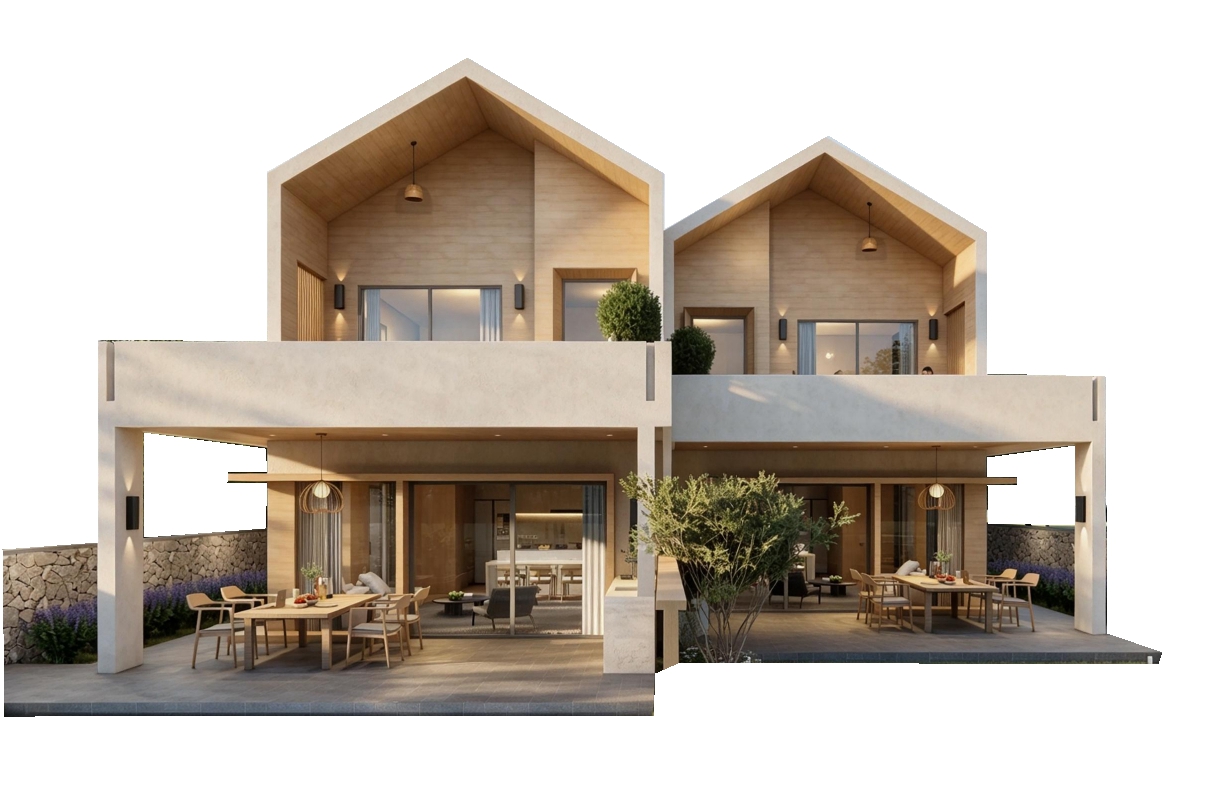
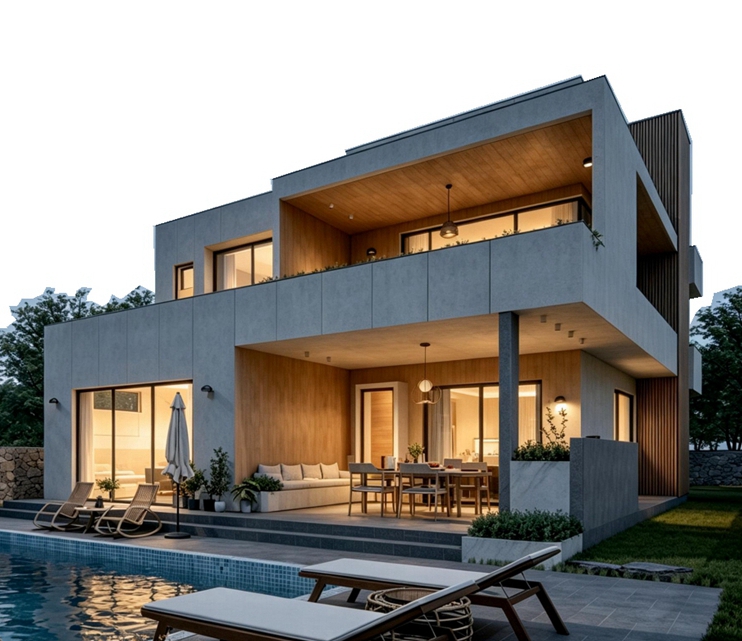
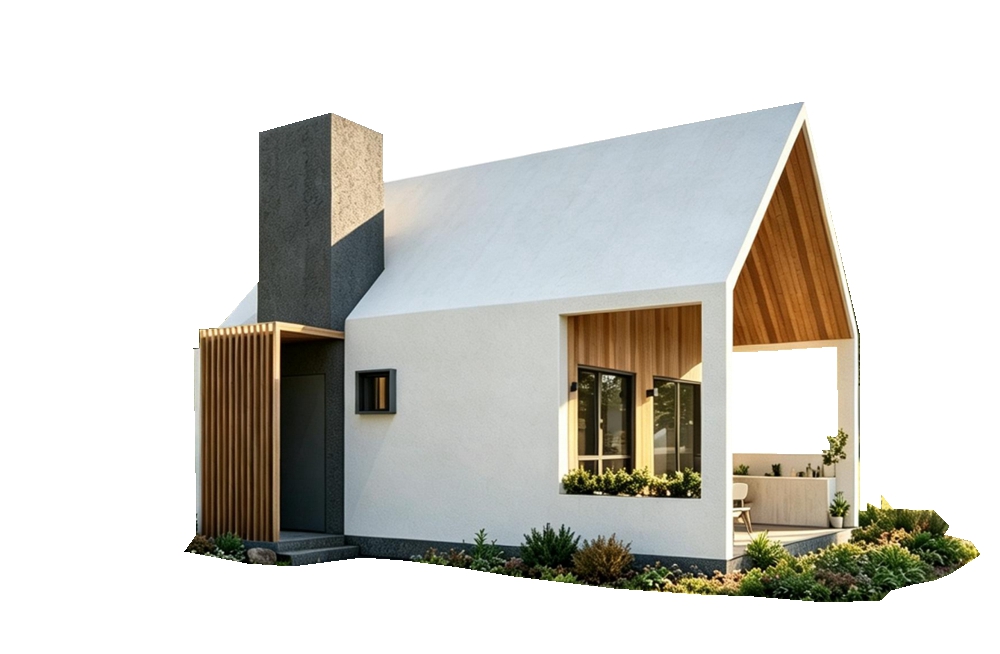
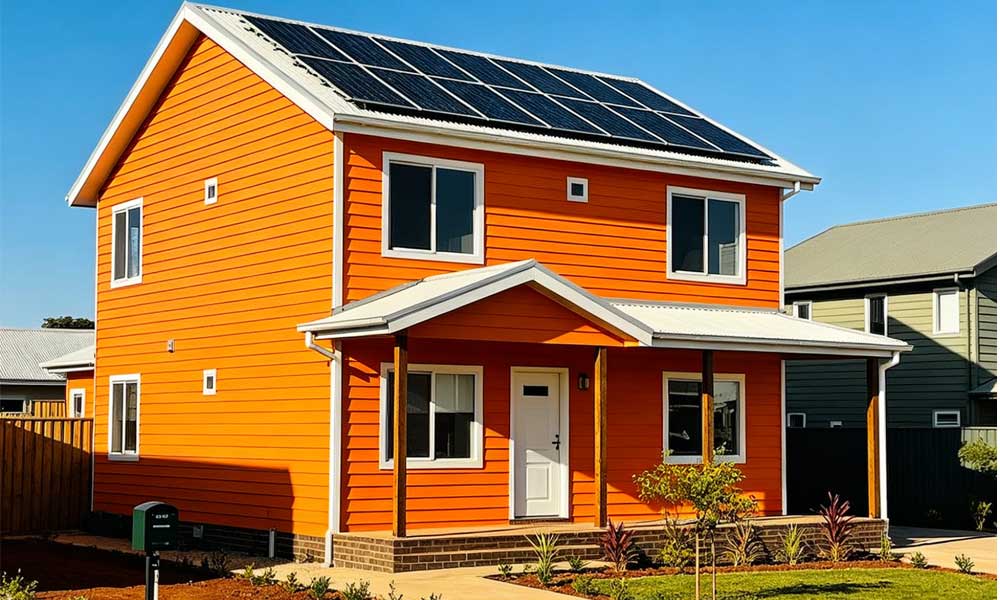
The integrated scheme of light steel villas and photovoltaic energy storage created by Hanliang Ruijie accurately addresses the core pain points faced by African developers and becomes the core support for them to improve project competitiveness and seize the market. Among them, the light steel villas adopt the full-process factory prefabrication production, and the precision of the main components reaches the millimeter-level standard, which is convenient for transnational transportation and quick and efficient on-site assembly. A 100-square-meter standardized villa takes no more than 30 days from the arrival of materials to the completion of delivery, which greatly shortens the construction period and effectively adapts to the limited construction window period and the technical level of construction teams in Africa. At the same time, the light steel villas adopt high-specification aluminum-zinc plated anti-corrosion keels, which can achieve 12-level wind resistance and 8-degree earthquake resistance. Equipped with Class A fireproof rock wool walls and high-efficiency thermal insulation layers, they can perfectly adapt to various climatic conditions in Africa, such as tropical high temperatures, coastal hurricanes and inland droughts. The material loss rate is strictly controlled within 3%, and the comprehensive cost can be reduced by 15 to 20 percentage points compared with traditional brick-concrete buildings. The supporting photovoltaic energy storage system makes full use of Africa's abundant solar energy resources, adopts high-efficiency monocrystalline silicon photovoltaic modules with a photoelectric conversion efficiency of 18%-23%, and is equipped with high-performance lithium iron phosphate batteries to achieve efficient energy storage. It can completely get rid of the dependence on traditional power grids and diesel generators, significantly reduce the later operation energy consumption costs of the project, and fully comply with the green building policy orientation of various African countries.
African developers prefer to choose Hanliang Ruijie not only because of the prominent advantages of the products themselves, but also because of its perfect full-industry-chain strength and all-round service guarantee system. Hanliang Ruijie has large-scale and modern production bases, realizing full-process independent control from raw material procurement, component processing to finished product delivery. The products have successfully passed the ISO international quality system certification and CE certification, and also strictly comply with the building access standards of various African countries and the LEED green building certification specifications to ensure that the products enter the market in compliance with regulations. In view of the climate differences, geological conditions and development needs in different regions of Africa, Hanliang Ruijie can provide customized design services to accurately optimize the structural layout of light steel villas and the configuration of photovoltaic energy storage systems, and improve the adaptability of the scheme. In addition, the company has set up a professional multilingual technical service team to provide on-site installation guidance, skill training for local construction personnel and 24-hour rapid after-sales response, effectively solving various problems in cross-border cooperation for developers; the products are transported with customized protective packaging, controlling the component damage rate below 0.5%, which perfectly adapts to the complex logistics and transportation environment in Africa, helping developers quickly promote project landing and seize market opportunities.
At present, Hanliang Ruijie's light steel villa + photovoltaic energy storage scheme has successfully entered more than 20 African countries, with more than 5,000 landing projects, covering various scenarios such as residential development, mining area supporting dormitories, cultural tourism resort camps and temporary resettlement housing, and has been highly recognized by local developers and end users. In the rural residential development project in Kenya, the combined scheme has realized self-sufficiency in energy in the residential scenario. Compared with the traditional construction mode, the construction period has been shortened by more than 60%, and the project operation energy consumption cost has been reduced by 30%; in the "Fourth Generation City" green building project in Egypt, the scheme accurately meets the local green development plan and has become a model benchmark for green residential buildings in the region. These landing cases fully prove that Hanliang Ruijie's combined scheme can not only help developers effectively control development costs and improve the core competitiveness of projects, but also help them actively respond to local green building policies, accurately seize the new opportunity of green construction in Africa, and achieve sustainable development.
With the continuous heating up of the African green building market, industry development opportunities are constantly emerging. Hanliang Ruijie will continue to deepen its presence in the African market, base itself on local development needs, continuously iterate and optimize the core technologies of light steel villas and photovoltaic energy storage, improve the product system and service mode, and help more African developers accurately grasp industry opportunities.
 Follow us