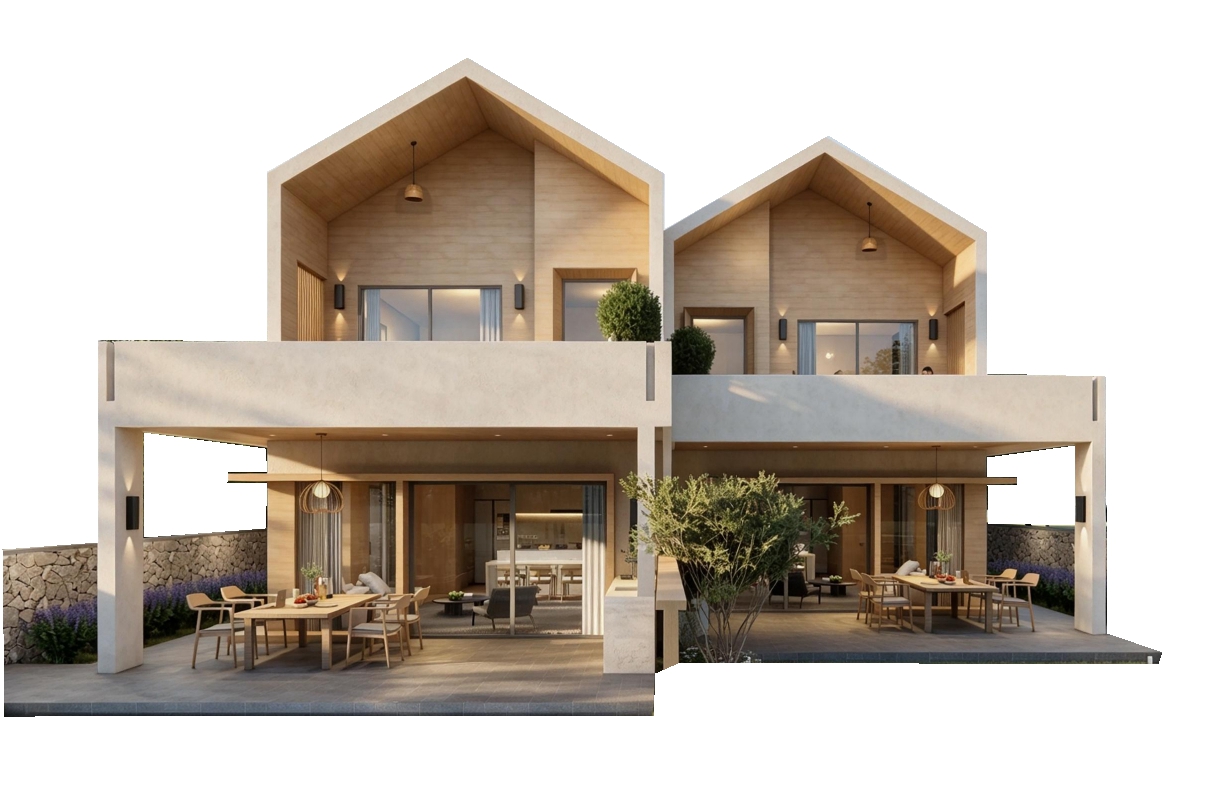
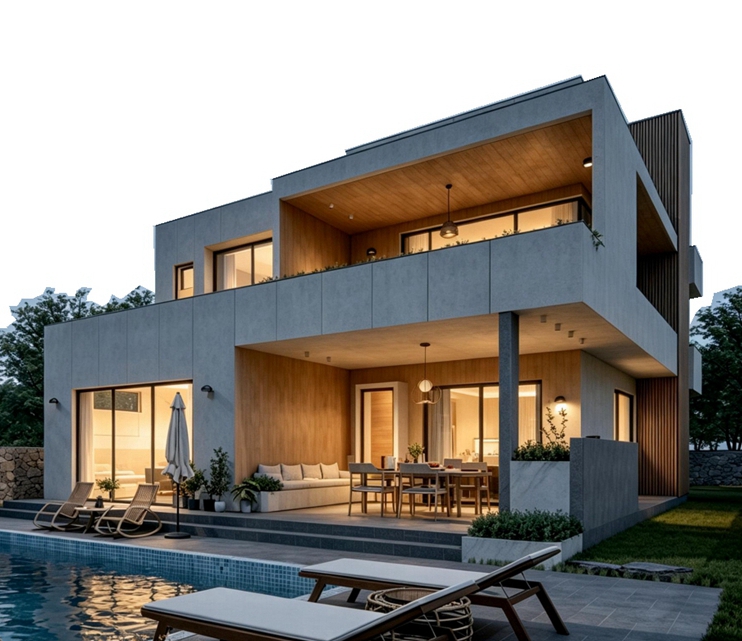
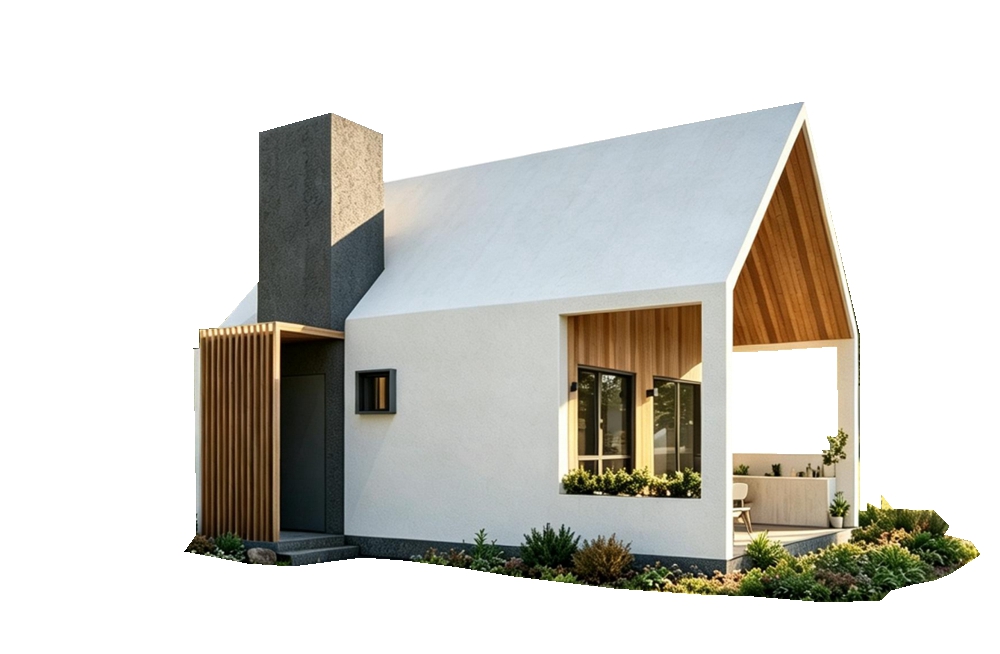
The African continent is endowed with the world's most superior solar energy resources, yet it is concurrently confronted with the dual challenges of inadequate power grid coverage, unstable power supply, and a substantial housing gap. With the in-depth popularization of green and low-carbon concepts across Africa, light steel villas have emerged as the mainstream choice in the local construction market, attributed to their lightweight properties, ease of construction, and strong adaptability. The integrated mode of installing solar photovoltaic panels further effectively addresses the core pain points of African residents and developers, realizing the dual satisfaction of residential and energy demands. The advantages of this integrated "light steel villa + photovoltaic panel" solution are concentrated in multiple dimensions, including energy adaptability, cost control, and construction feasibility, making it a crucial driver for promoting Africa's green development.
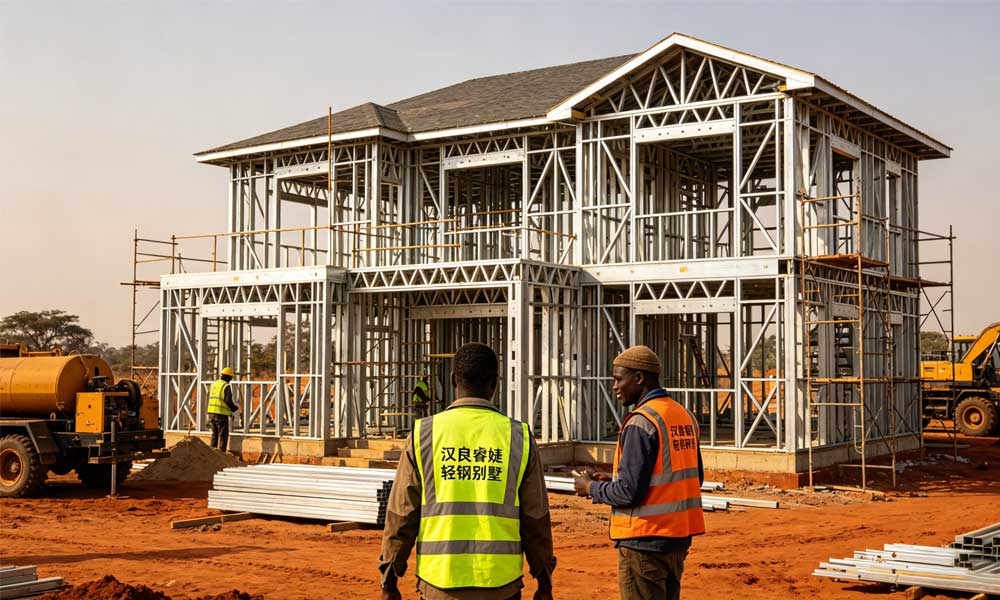
Power grid infrastructure in most regions of Africa remains underdeveloped, and sub-Saharan Africa has long been dependent on high-cost diesel power generation, which is not only energy-intensive and polluting but also difficult to cover remote rural areas and scattered residential scenarios. Installing solar photovoltaic panels on light steel villas can fully leverage Africa's abundant solar resources — the annual solar radiation in East Africa, North Africa, and other regions can reach 1800-2500 kWh/m², with annual sunshine hours exceeding 3000 hours, providing favorable conditions for photovoltaic power generation. Photovoltaic panels can be directly laid on the roofs of light steel villas and combined with energy storage systems to form microgrids, achieving "self-generation and self-consumption, with surplus electricity storage", thereby completely eliminating reliance on traditional power grids and diesel generators. This solution not only meets the daily electricity needs of villas, such as lighting, household appliances, and small air conditioners but also provides stable power support for residential and office scenarios in remote areas, aligning with the development demand for "off-grid energy" in Africa.
For African developers and residents, cost control constitutes a core requirement. The integrated solution of installing photovoltaic panels on light steel villas enables dual savings in construction and operational costs. Light steel villas adopt a mode of factory prefabrication and on-site assembly, featuring low material loss and a short construction cycle. Compared with traditional brick-concrete buildings, the comprehensive construction cost can be reduced by 15 to 20 percentage points; the installation of photovoltaic panels does not require additional brackets. The steel structure roofs of light steel villas possess sufficient load-bearing capacity, which can directly accommodate the installation of photovoltaic panels without additional reinforcement, significantly reducing installation costs. In the long term, photovoltaic power generation can fully replace diesel power generation and grid power supply, substantially lowering long-term electricity costs. For ordinary African families and large-scale development projects, this solution not only reduces economic burdens but also enhances the cost-effectiveness and market competitiveness of projects.
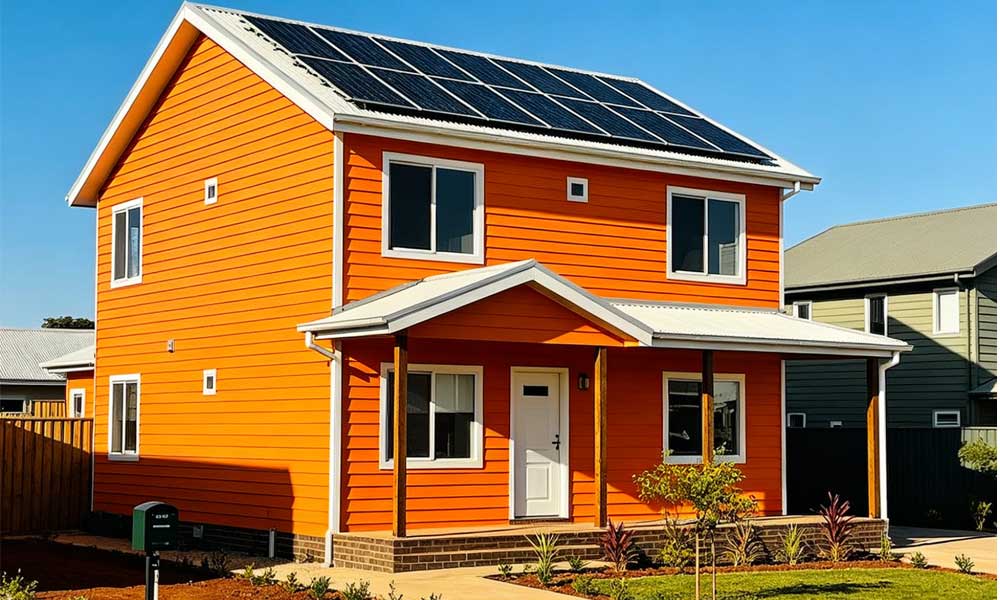
Most regions in Africa have limited construction conditions, lacking professional construction teams and large-scale construction equipment, and the combination of light steel villas and photovoltaic panels is highly compatible with the local construction environment. The main components of light steel villas are connected by bolts, eliminating the need for welding or large-scale equipment, and ordinary workers can complete assembly after simple training; photovoltaic panels adopt a modular design, which can perfectly fit light steel roofs. The installation process is simple and efficient, without damaging the roof structure, and facilitates later maintenance and replacement. Meanwhile, the lightweight nature of light steel villas enables convenient transnational transportation. Photovoltaic panels can be packaged and transported together with villa components, significantly reducing logistics costs and adapting to Africa's complex logistics environment. Whether for urban residential development or remote rural housing construction, the solution can be implemented quickly and effectively.
In recent years, numerous African countries have successively introduced incentive policies for green buildings and renewable energy. Countries such as Egypt, South Africa, and Tanzania mandatorily require new projects to integrate energy-saving technologies and renewable energy applications. The "Africa Light Belt" project launched by China has further promoted the popularization of photovoltaic technology in Africa. Light steel villas themselves possess the characteristics of low carbon, environmental protection, and recyclability. After installing photovoltaic panels, they can achieve green and low-carbon operation throughout the entire building life cycle, fully aligning with the green policy orientation of various African countries. This enables developers to improve project compliance and obtain policy support and subsidies. Additionally, the green and low-carbon residential model is more in line with modern residential needs, which can enhance market recognition of projects and help developers seize opportunities in the African construction market.
The combination of light steel villas and photovoltaic panels not only addresses energy and cost issues but also further improves residential comfort. Light steel villas adopt a double-layer thermal insulation structure, which can effectively resist the tropical high temperatures in Africa. Combined with ventilation and refrigeration equipment driven by photovoltaic systems, it can significantly reduce indoor temperatures; photovoltaic panels laid on the roof can provide a certain shading effect, reducing the impact of solar radiation on indoor environments and enhancing residential comfort. Furthermore, photovoltaic power generation is clean and pollution-free, with no noise or emissions. It not only improves the living environment but also helps Africa reduce carbon emissions, realizing the harmonious coexistence of ecology and residence, and creating "livable, energy-saving, and environment-friendly" green living spaces for African residents.
In summary, the integrated solution of installing solar photovoltaic panels on light steel villas accurately adapts to Africa's energy status quo, construction conditions, and policy orientation. It not only addresses the core pain points of local power shortages and insufficient housing but also achieves the dual goals of cost reduction, efficiency enhancement, and green development. As the African green building market continues to develop, this integrated solution will become the mainstream trend in the African construction industry, injecting new momentum into Africa's urbanization and green transformation.
 Follow us