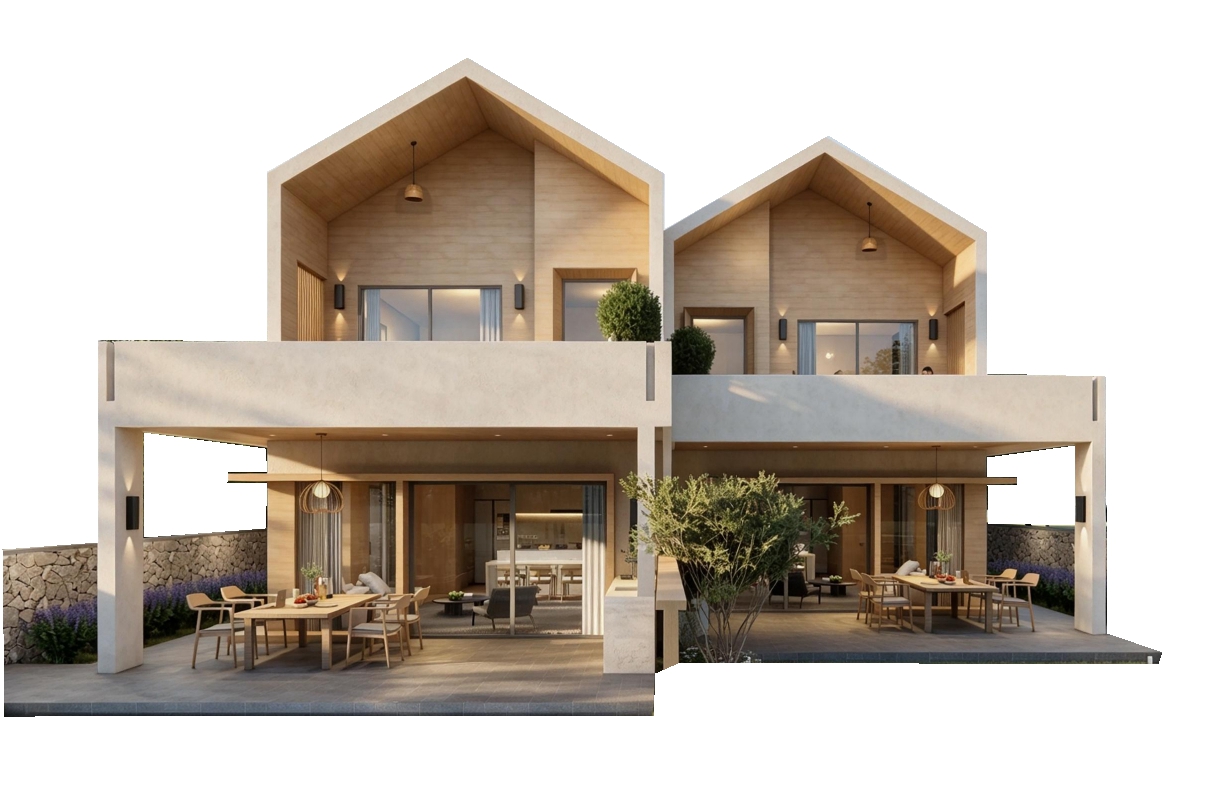
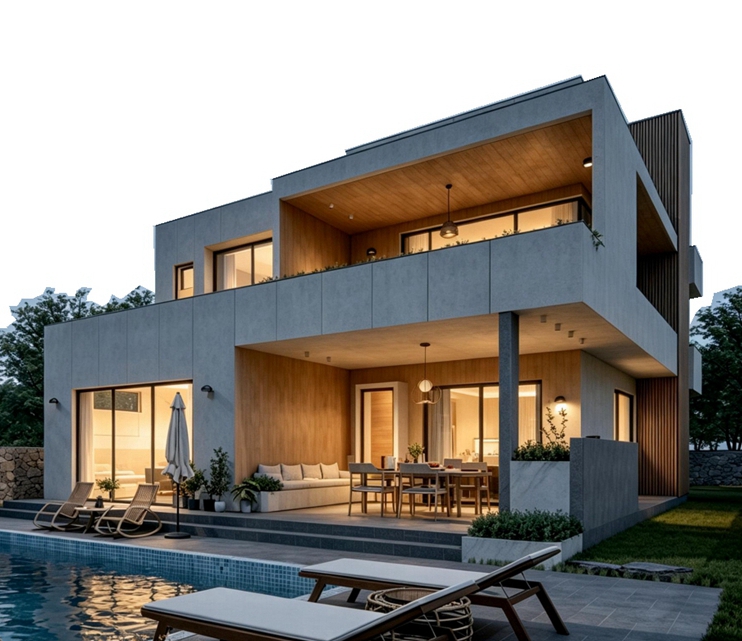
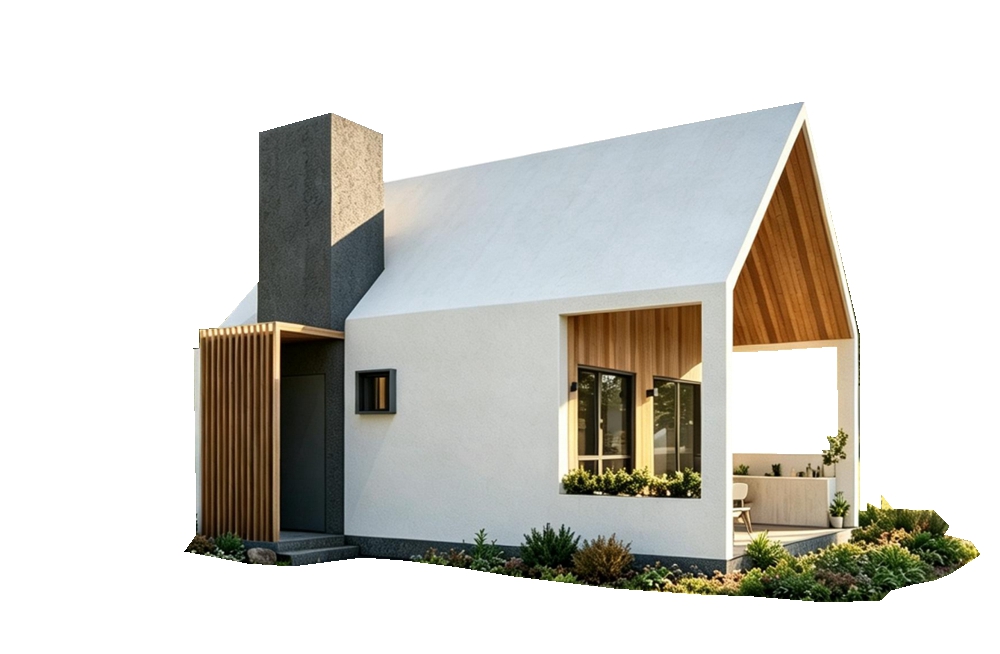
With the global focus on sustainable development and green construction, light steel villas have emerged as a prominent choice for residential and commercial projects, owing to their durability, construction efficiency, and versatility. As an increasing number of individuals and organizations consider adopting light steel villas, two key questions frequently emerge: what core materials constitute their construction, and whether these materials adhere to eco-friendly standards. This article details the primary materials utilized in light steel villas, interprets their environmental performance from multiple dimensions, and offers professional insights for readers concerned with material quality and environmental sustainability.
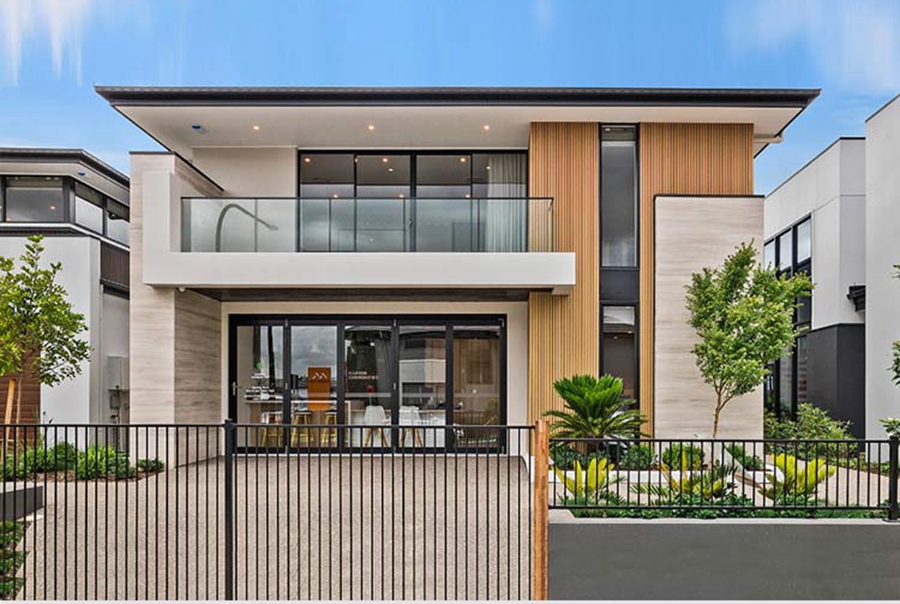
The construction of light steel villas is built on a scientifically rational combination of materials, with each component fulfilling specific structural or functional roles. Core materials are primarily categorized into load-bearing structural materials, enclosure and insulation materials, and auxiliary decorative materials—all of which are subject to rigorous quality control to ensure the overall structural stability and service life of the building.
The load-bearing structure, often referred to as the "backbone" of light steel villas, is primarily composed of G550 high-strength galvalume or hot-dip galvanized cold-formed steel framing, with a thickness ranging from 0.8mm to 1.2mm and full compliance with international standards such as ASTM and EN 1090. This type of steel undergoes AZ150 aluzinc plating treatment, which delivers 2 to 6 times the corrosion resistance of conventional galvanized steel, forming a protective surface film that prevents rust and extends the service life to over 50 years. The steel frames are precision-manufactured in factory settings, with a tolerance of ±0.5mm, ensuring seamless on-site assembly and robust structural integrity capable of withstanding extreme weather events such as strong winds and earthquakes.
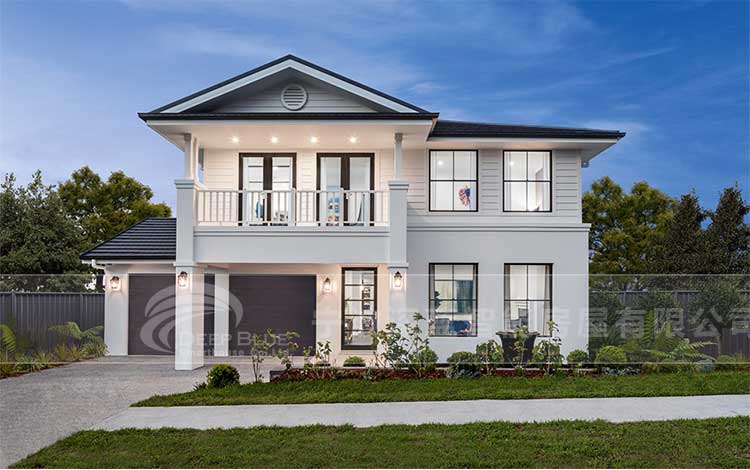
Enclosure and insulation materials are critical to ensuring the thermal comfort and energy efficiency of light steel villas. Walls and roofs primarily adopt composite sandwich panels, with core materials including Class A fireproof rock wool, glass wool, or EPS, and inner and outer facings constructed from color-coated steel sheets, fiber cement boards, or OSB boards. Rock wool and glass wool are inorganic materials characterized by non-toxicity, fire resistance, and sound insulation properties, while OSB boards—manufactured from small-diameter timber and wood cores—exhibit strong nail-holding capacity and are formaldehyde-free, meeting stringent environmental protection criteria. Exterior wall cladding typically employs metal carved boards or fiber cement boards, which offer durability, waterproof performance, and resistance to moisture-induced deformation.
Auxiliary materials encompass connectors, waterproofing materials, and interior decorative materials. High-strength bolts and galvanized connectors are utilized to ensure structural stability, while SBS waterproof layers and moisture-proof paper effectively prevent water seepage and moisture accumulation. Interior decorative materials, such as gypsum boards, PVC ceilings, and laminate flooring, are all low-formaldehyde and eco-friendly, eliminating indoor air pollution and safeguarding residential comfort.
The environmental friendliness of light steel villas is evidenced throughout the entire life cycle of their materials—from production and construction to post-service recycling—fully aligning with the principles of green and sustainable construction and offering distinct advantages over traditional building materials.
In terms of material production, the cold-formed steel used in light steel villas adopts energy-efficient manufacturing processes, resulting in lower energy consumption and reduced carbon emissions compared to traditional steel production. Core insulation materials such as rock wool and glass wool are derived from natural inorganic substances, free from toxic and harmful components, and do not release pollutants during use, thereby ensuring occupant health. Additionally, the modular production mode of light steel villa components minimizes material waste during manufacturing, with a material loss rate of less than 5%—significantly lower than the 15% to 20% loss rate associated with traditional brick-concrete buildings.
During the construction phase, light steel villas employ dry construction methods that eliminate the need for concrete pouring, substantially reducing water consumption and avoiding environmental pollution caused by construction waste and sewage. On-site assembly of prefabricated components reduces construction waste by 98% compared to traditional construction methods, minimizing the impact on the surrounding ecological environment. This construction approach also shortens the project cycle by 30% to 50%, further reducing energy consumption during the construction process.
In terms of recycling and reuse, light steel villas possess significant environmental advantages. Steel frame materials can be 100% recycled, while more than 80% of auxiliary materials—such as OSB boards and rock wool—can also be recycled and repurposed, avoiding the generation of large volumes of construction waste at the end of the building’s service life. In contrast, most materials used in traditional brick-concrete buildings are difficult to recycle and can only be disposed of as construction waste, imposing substantial pressure on the environment.
Compared to traditional brick-concrete buildings that utilize materials such as red bricks and concrete, light steel villa materials exhibit more distinct environmental advantages. Red brick production requires extensive arable land and high energy consumption, with carbon emissions far exceeding those of light steel materials. Concrete materials are difficult to recycle, and their production process generates significant pollutants.
Furthermore, the thermal insulation performance of light steel villas is significantly superior to that of traditional buildings. The composite sandwich wall structure effectively reduces indoor heat loss, lowering heating and air conditioning energy consumption by 30% to 50% during use—this not only achieves energy savings but also indirectly reduces carbon emissions. This energy-saving advantage further enhances the environmental value of light steel villas throughout their long-term service life.
In summary, light steel villas utilize high-quality, high-performance, and eco-friendly materials that not only ensure the structural stability and residential comfort of the building but also achieve environmental sustainability throughout the entire life cycle—from production and construction to recycling. As a green building solution aligned with global sustainable development trends, light steel villas are poised to play an increasingly important role in the future construction industry.
 Follow us